
Browning · Rifle
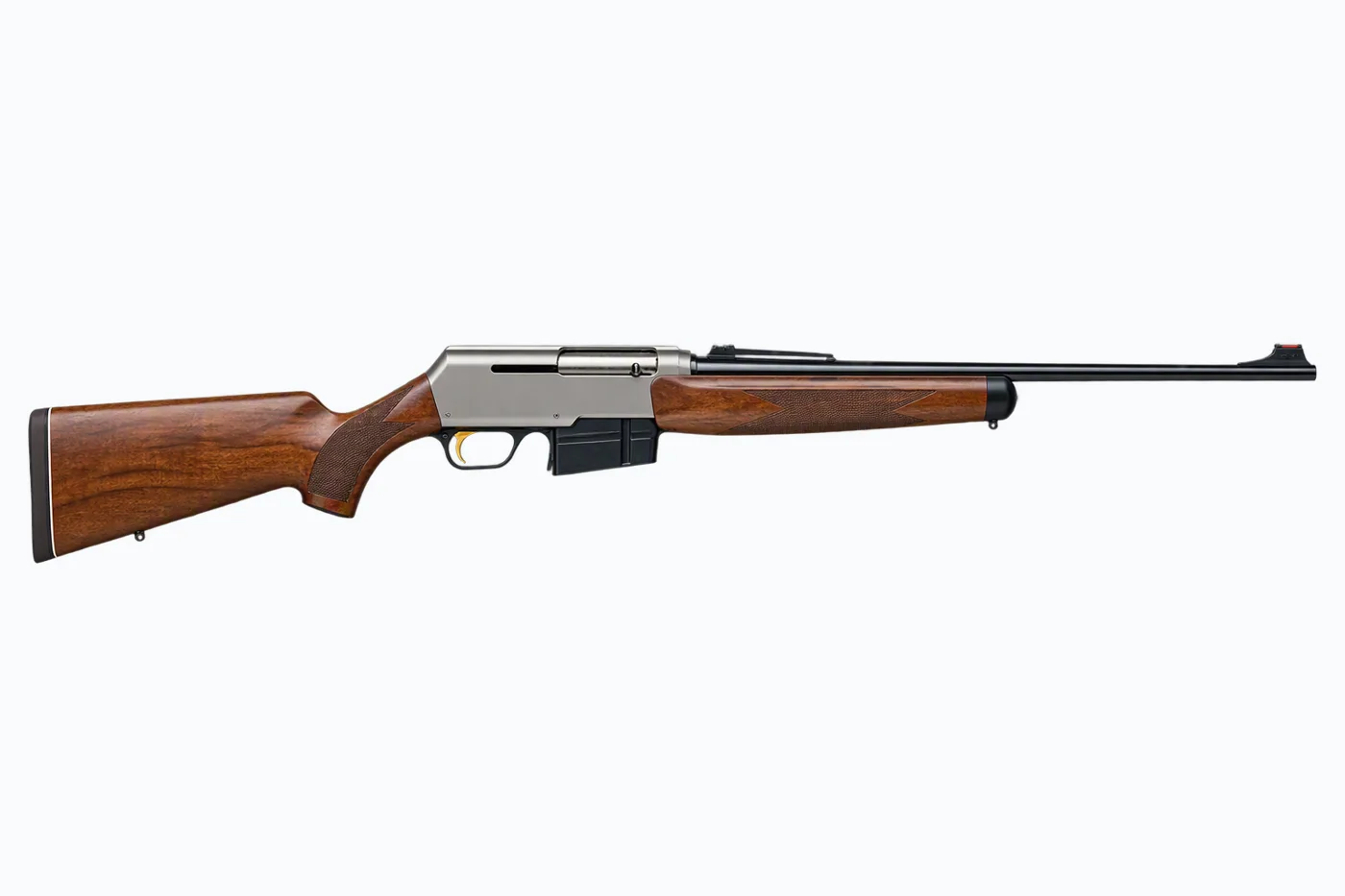
Browning BAR
Gas operated short stroke · .30-06 Springfield · introduced 1967
Also known as BAR Mark 3, BAR MK3, Browning Automatic Rifle (sporting)
About the Browning BAR
The Browning BAR is a gas-operated, semi-automatic hunting rifle introduced in 1967 by Browning and FN Herstal in Belgium. Conceptually descended from John Moses Browning's military Browning Automatic Rifle of 1918 but engineered as an entirely new sporting rifle by Bruce Browning (grandson of John Moses) and Marcel Olinger at FN Herstal, the BAR was Browning's answer to the popular Remington 740/742 Woodmaster and quickly became the most successful semi-automatic hunting rifle in the world. The action uses a multi-lug rotating bolt that locks directly into the barrel extension, allowing the receiver to be made from lightweight aluminum alloy while still safely chambering full-power magnum cartridges. The BAR is one of very few semi-automatic centerfire rifles offered in true magnum chamberings such as 7mm Remington Magnum and .300 Winchester Magnum. The current Mark 3 generation, introduced in 2016, retains the original gas-piston system while adding a redesigned receiver with a satin nickel finish, an improved Inflex recoil pad, an alloy trigger guard, and a refined Turkish walnut Grade II stock. Available in classic North American hunting calibers from .243 Winchester through .300 WSM, the BAR remains a staple of European driven-game hunting and a favorite among American hunters who want fast follow-up shots on big game.
Although the sporting BAR shares only its name and the gas-operated rotating-bolt concept with John Moses Browning's WWI-era Browning Automatic Rifle, the family ties run deep: the rifle was developed by Bruce Browning, John Moses's grandson, working with FN Herstal engineer Marcel Olinger in Belgium in the mid-1960s. It is the rifle Belgian and French driven-boar hunters most commonly carry, and one of the very few semi-autos chambered for magnum cartridges as powerful as .300 Winchester Magnum.
Browning BAR specifications
General
- Type
- Rifle
- Action
- Gas operated short stroke
- Firing mechanism
- Hammer-fired
- Trigger
- Single stage
- Calibres
- .30-06 Springfield, .270 Winchester, .300 Winchester Magnum, .308 Winchester, 7mm Remington Magnum
- Magazine capacity
- 4 rounds
- Magazine
- Detachable box magazine
Dimensions
- Barrel length
- 559 mm (22.0 in)
- Overall length
- 1102 mm (43.4 in)
- Weight (empty)
- 3.19 kg (7.02 lb)
Barrel
- Rifling twist
- 1:10 in (254 mm)
- Rifling
- Right hand
- Grooves
- 6
Materials
- Barrel
- Steel
- Receiver / frame
- Aluminum
- Stock
- Walnut
- Finish
- satin_nickel_polished_blued
Performance
- Muzzle velocity (typical)
- 880 m/s (2887 fps)
- Muzzle energy (typical)
- 3764 J (2776 ft·lb)
- Effective range
- 300 m
History
- Introduced
- 1967
- Production status
- In production
- Country of origin
- BE
- Designer
- Bruce Warren Browning
Available calibres
Features
- Gas piston operation
- Seven lug rotating bolt
- Detachable box magazine
- Hinged floorplate
- Drilled and tapped
- Gold plated trigger
- Turkish walnut stock
- Aluminum alloy receiver
Safety
- Manual crossbolt safety
- Inertia firing pin
The sporting BAR is mechanically unrelated to the military M1918 BAR despite the shared name; only the brand and gas-operated semi-automatic concept are inherited. Original BAR production ran from 1967 with the BAR Mark II succeeding it in 1993 (BOSS-equipped Safari trim being notable for its adjustable muzzle brake) and the Mark 3 launching in 2016. All BARs have been assembled in FN's Herstal, Belgium plant since launch, with stock work performed in Portugal for some grades. Magazine capacity is 4+1 for standard calibers and 3+1 for magnum chamberings. Both pistol-grip and traditional walnut stocks are offered.
Browning BAR variants
Similar models
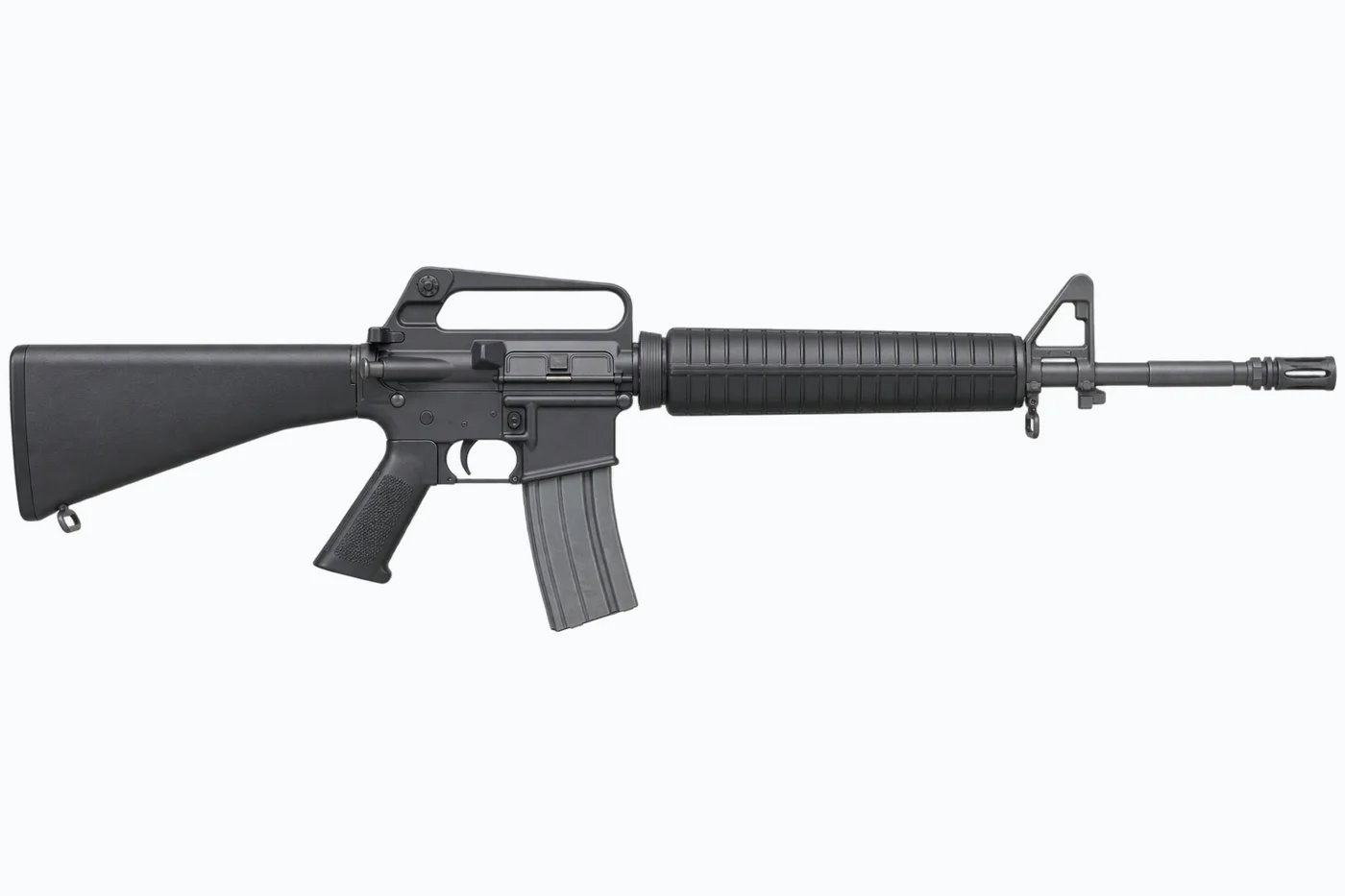
AR-15
Gas operated short stroke · 5.56x45mm NATO
Baikal IZh-18MN
Break action · .308 Winchester
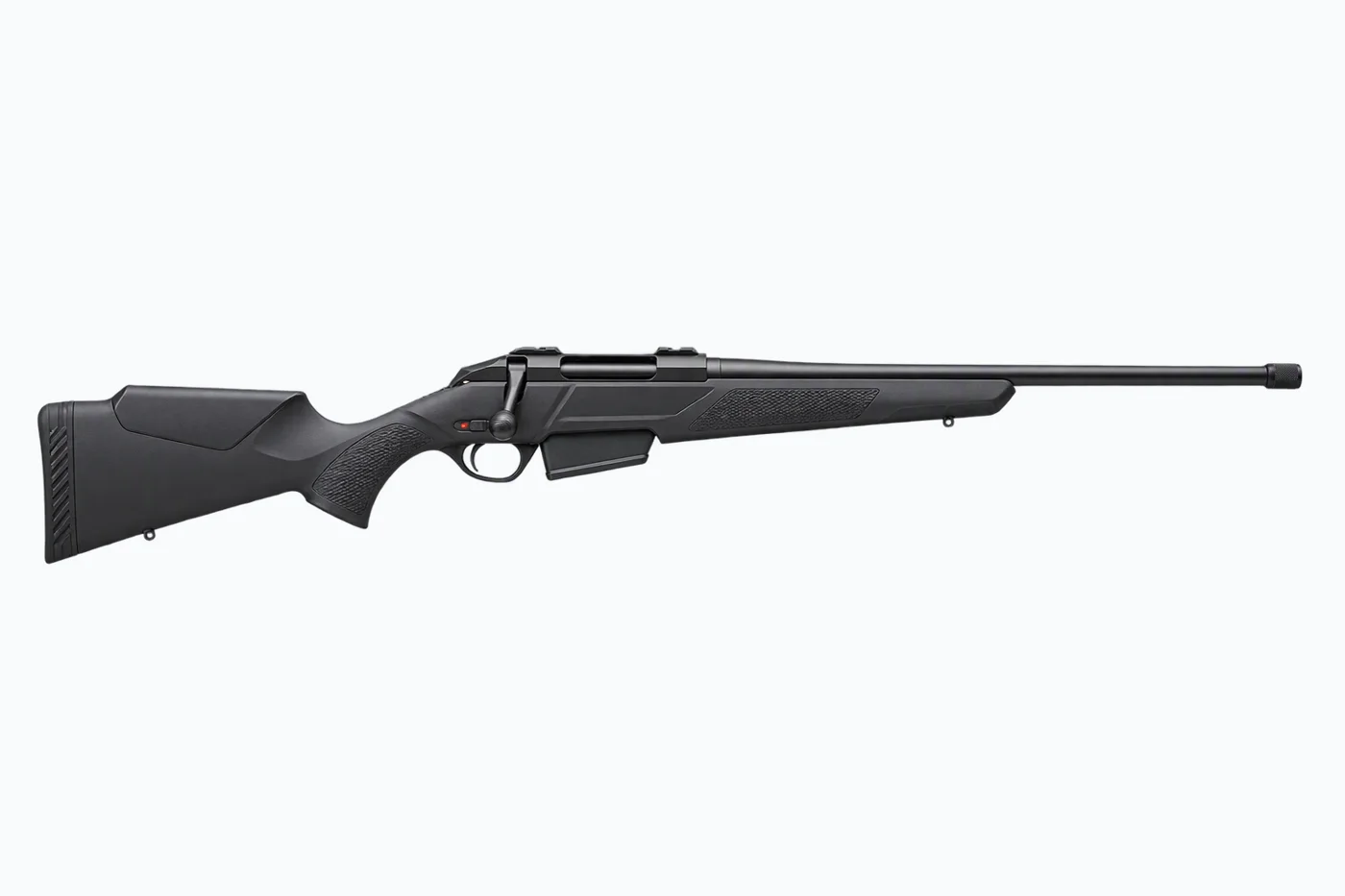
Benelli Lupo
Bolt action · .308 Winchester
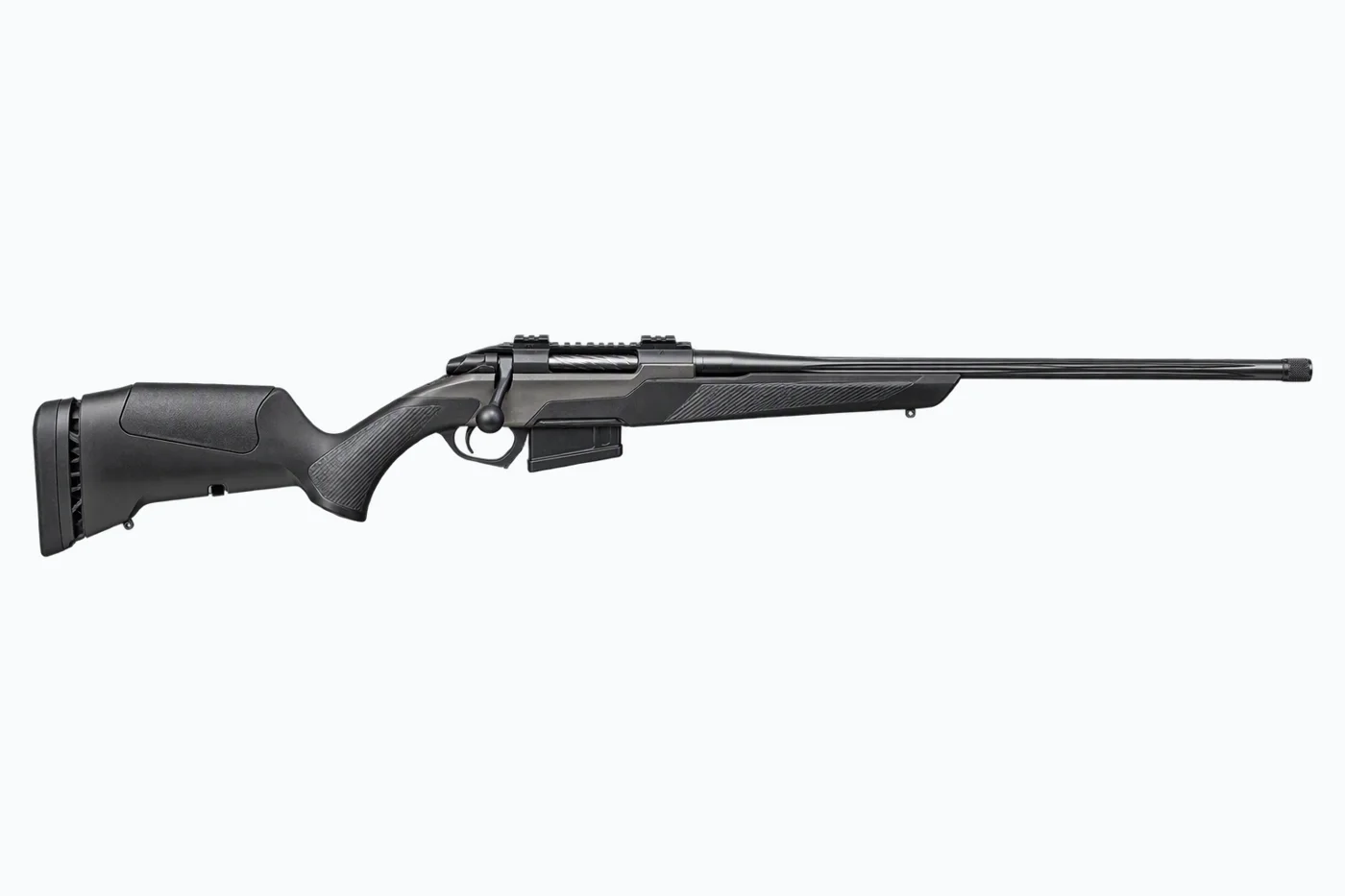
Benelli BE.S.T. Lupo
Bolt action · .308 Winchester
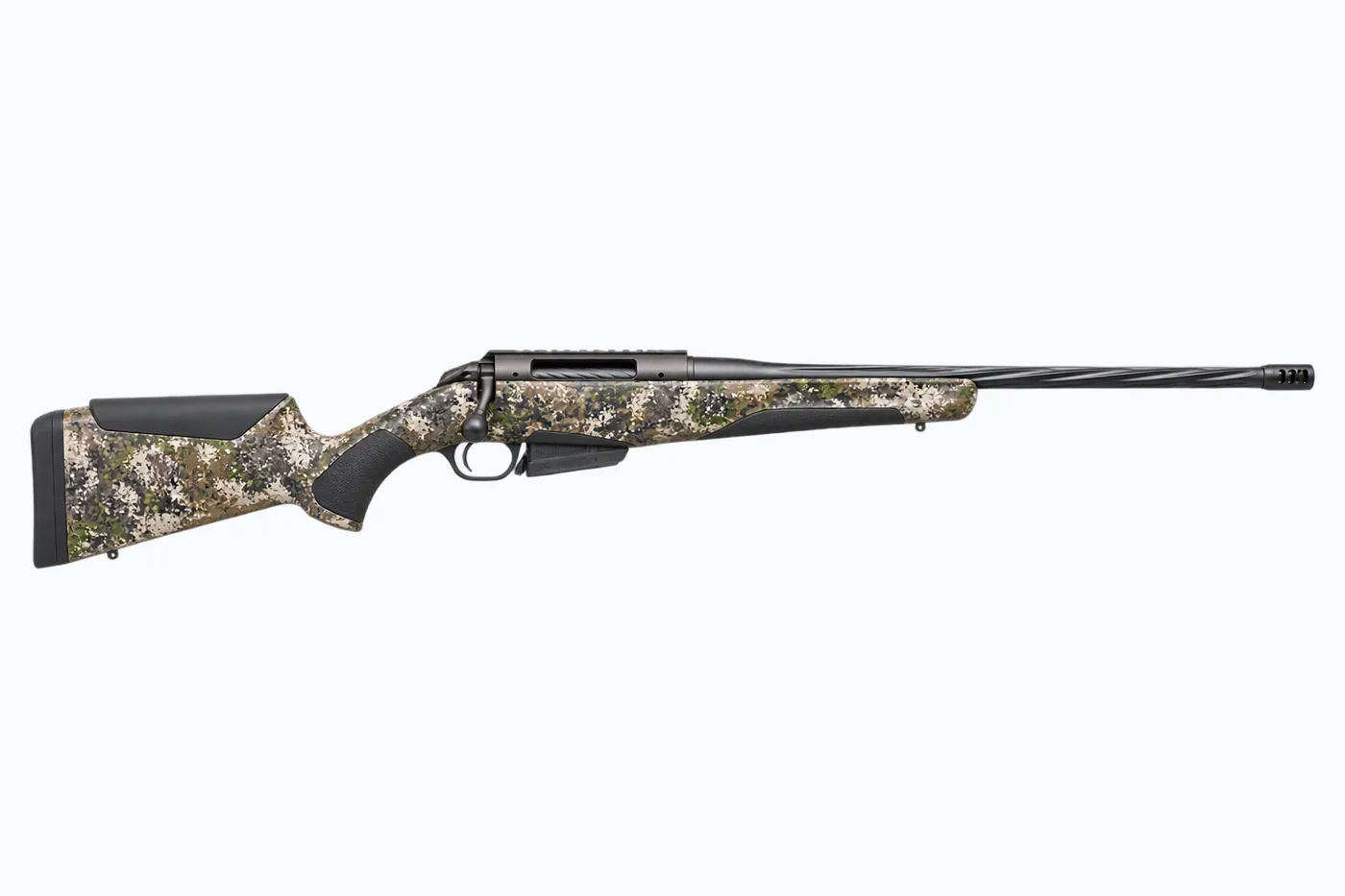
Benelli BE.S.T. Lupo Camo
Bolt action · .308 Winchester
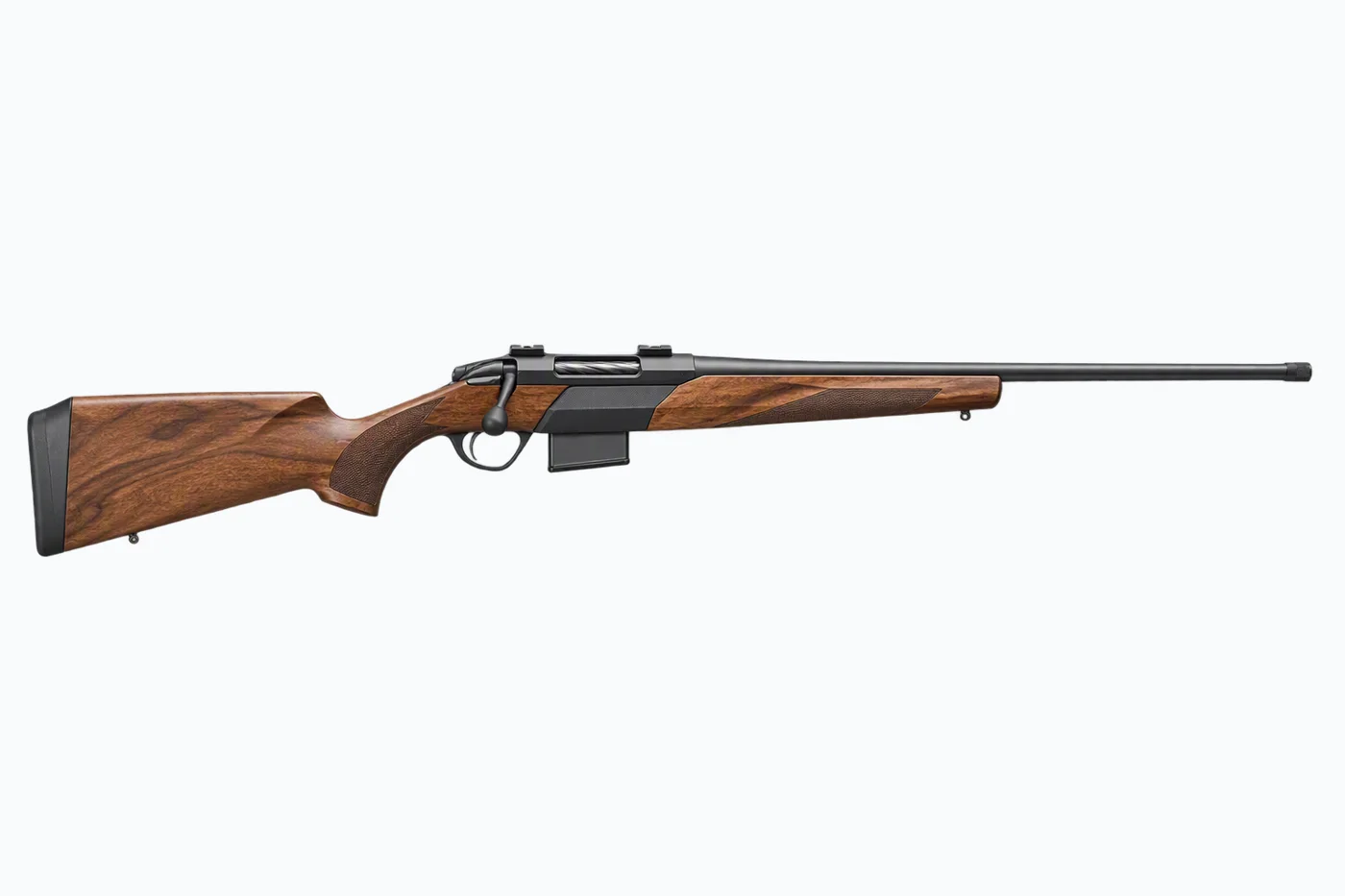
Benelli BE.S.T. Lupo Walnut
Bolt action · .308 Winchester
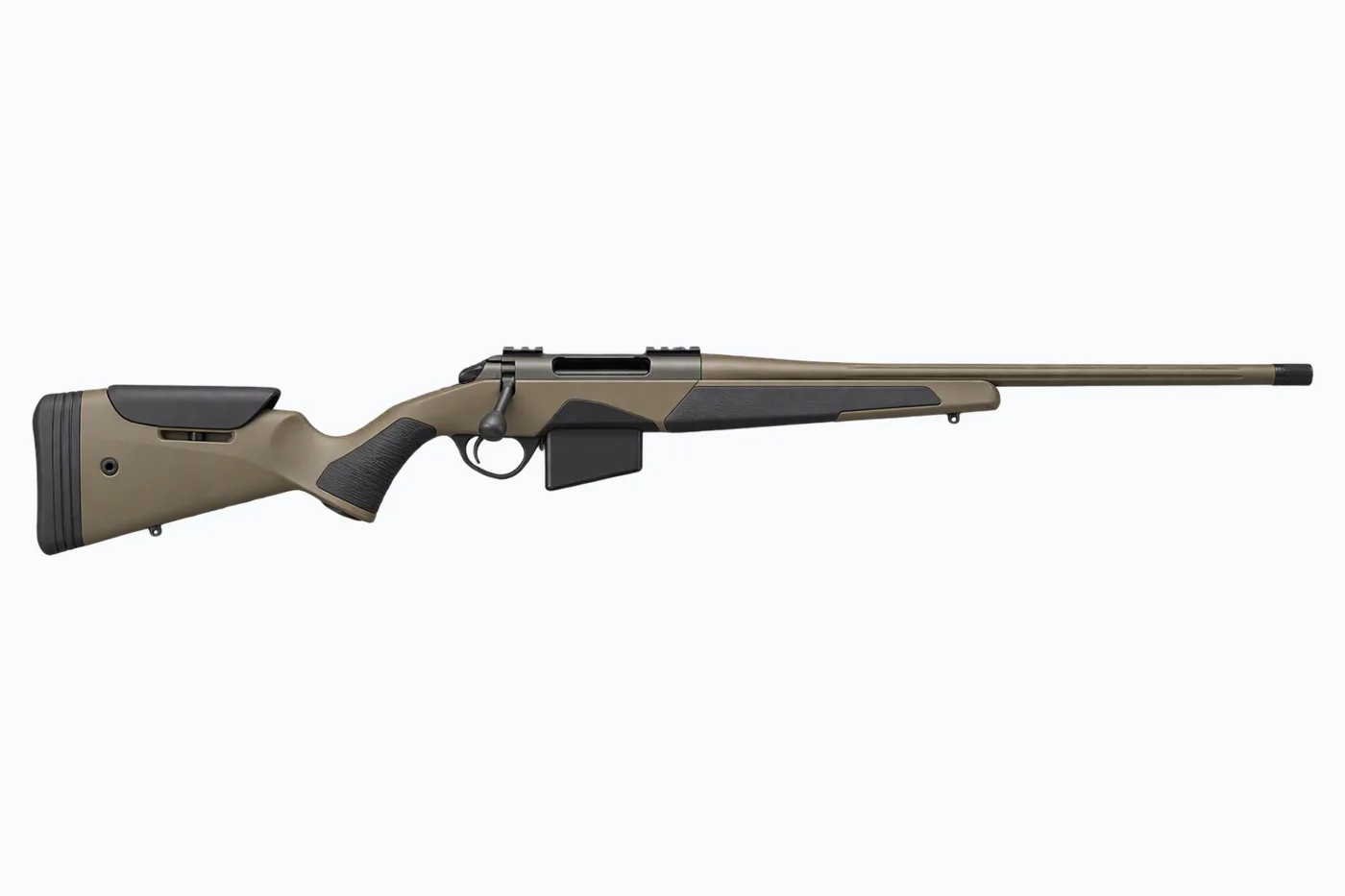
Benelli Lupo Cerakote
Bolt action · .308 Winchester
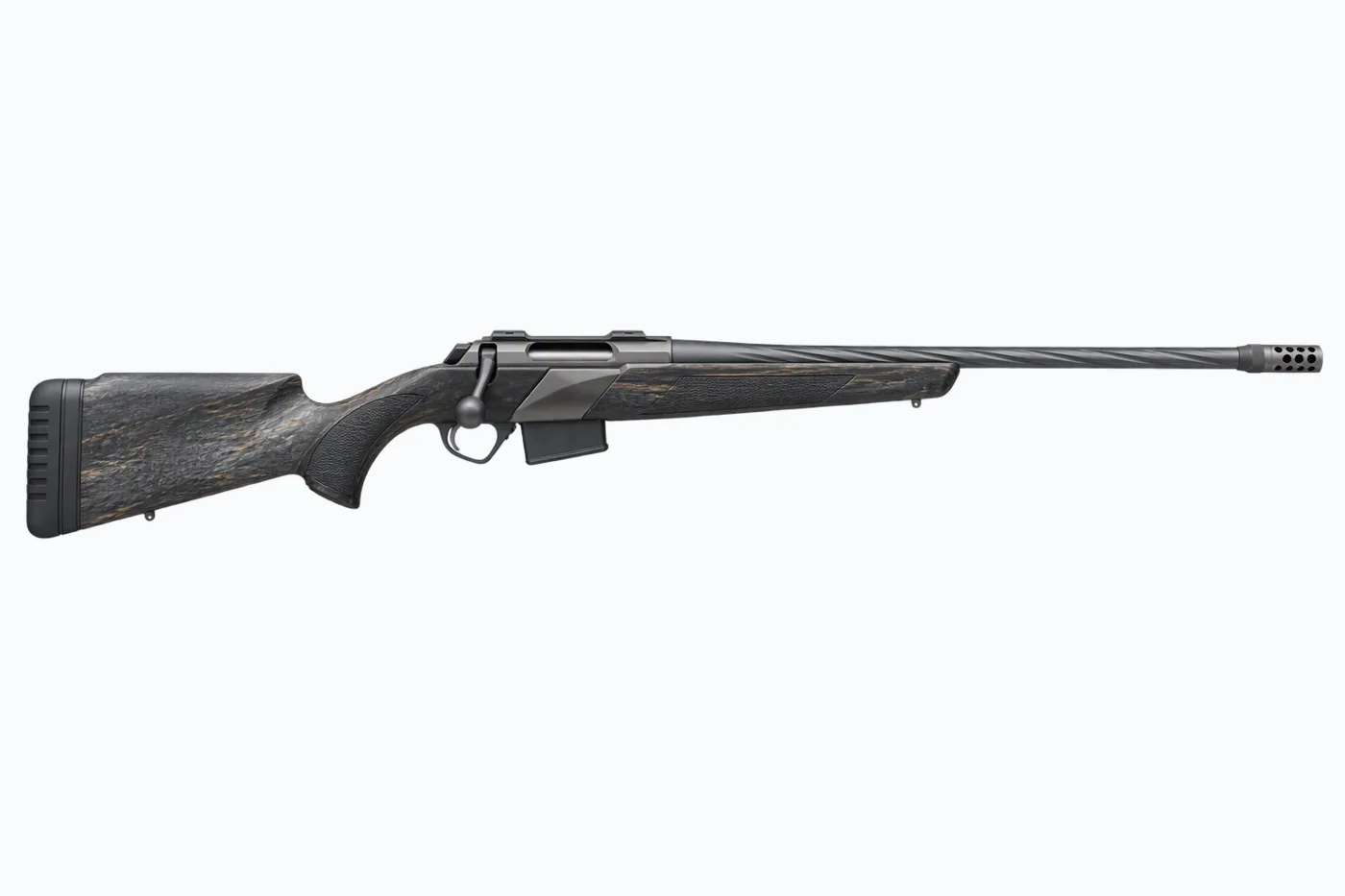
Benelli Lupo Charred Timber
Bolt action · 6.5mm Creedmoor