
Carl · Rifle
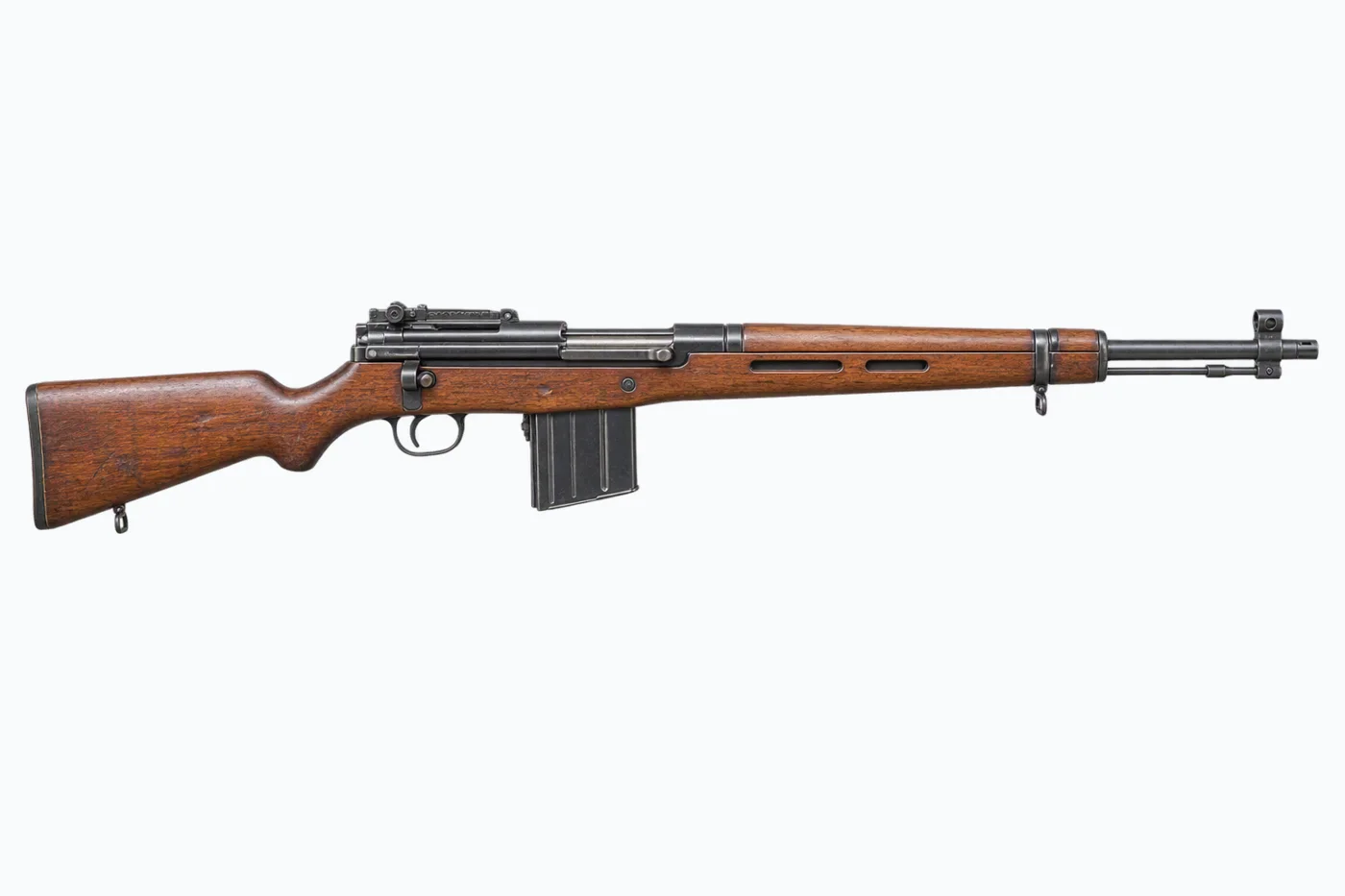
Automatgevär m/42 (Ljungman)
Gas-operated (direct impingement) · 6.5x55mm Swedish · introduced 1942
Also known as Ag m/42, AG42, Ljungman
About the Automatgevär m/42 (Ljungman)
The Automatgevär m/42 (Ag m/42), commonly known as the Ljungman after its designer Erik Eklund of AB C.J. Ljungmans Verkstäder, is a Swedish semi-automatic battle rifle chambered in 6.5x55mm Swedish. Introduced in 1942 and produced at Carl Gustafs Stads Gevärsfaktori in Eskilstuna, it was the first semi-automatic rifle adopted by a major military to use a true direct gas impingement system - predating the AR-15 by sixteen years. The action uses a tilting bolt similar to the SVT-40 and FN FAL, and the rifle feeds from a 10-round detachable box magazine that can also be topped up using two 5-round Mauser stripper clips through the open action.
The Ljungman pioneered the direct gas impingement system that Eugene Stoner would later popularize in the AR-15 - making it, in effect, the spiritual grandfather of the M16. Sweden's wartime neutrality meant the rifle that introduced the future of military firearms never fired a shot in anger from Swedish hands.
Automatgevär m/42 (Ljungman) specifications
General
- Type
- Rifle
- Action
- Gas-operated (direct impingement)
- Firing mechanism
- Hammer-fired
- Trigger
- Single stage
- Calibres
- 6.5x55mm Swedish
- Magazine capacity
- 10 rounds
- Magazine
- Detachable box magazine
Dimensions
- Barrel length
- 622 mm (24.5 in)
- Overall length
- 1214 mm (47.8 in)
- Weight (empty)
- 4.71 kg (10.38 lb)
Barrel
- Rifling twist
- 1:9 in (220 mm)
- Rifling
- Right hand
- Grooves
- 4
Materials
- Barrel
- Steel
- Receiver / frame
- Steel
- Stock
- Wood
- Finish
- blued
Performance
- Muzzle velocity (typical)
- 745 m/s (2444 fps)
- Muzzle energy (typical)
- 2517 J (1856 ft·lb)
- Effective range
- 600 m
History
- Introduced
- 1942
- Discontinued
- 1965
- Production status
- Out of production
- Country of origin
- SE
- Designer
- Erik Eklund
Features
- Direct impingement gas
- Tilting bolt
- Stripper clip charging
- Iron sights adjustable
- Bayonet lug
Safety
- Manual safety
Approximately 30,000 rifles were produced for the Swedish Army. The rifles were upgraded between 1953 and 1956 to the Ag m/42B configuration with stainless-steel gas tubes, modified breech cover, improved sights, and a rubber case deflector - addressing the original's tendency for the gas tube to rust and for spent brass to fly back at the shooter's face. Egypt licensed the design as the Hakim (rechambered for 7.92x57mm Mauser) and the carbine-length Rashid (chambered for 7.62x39mm).
Similar models
Aero Precision M4E1 Pro Rifle
Gas-operated (direct impingement) · 5.56x45mm NATO
Anschutz 1761 APR
Bolt action · .22 Long Rifle
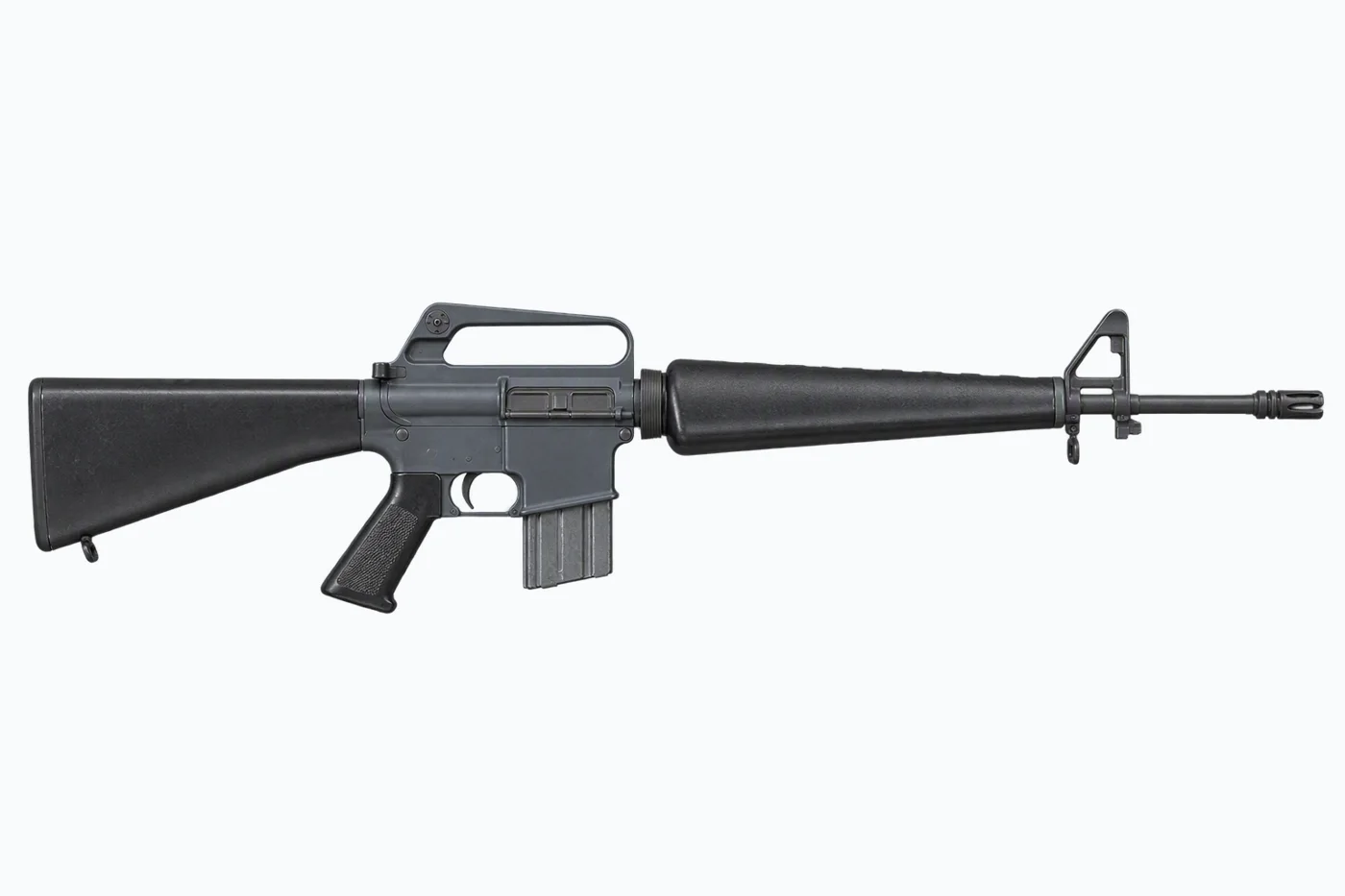
Colt AR-15 Sporter (SP1)
Gas-operated (direct impingement) · .223 Remington
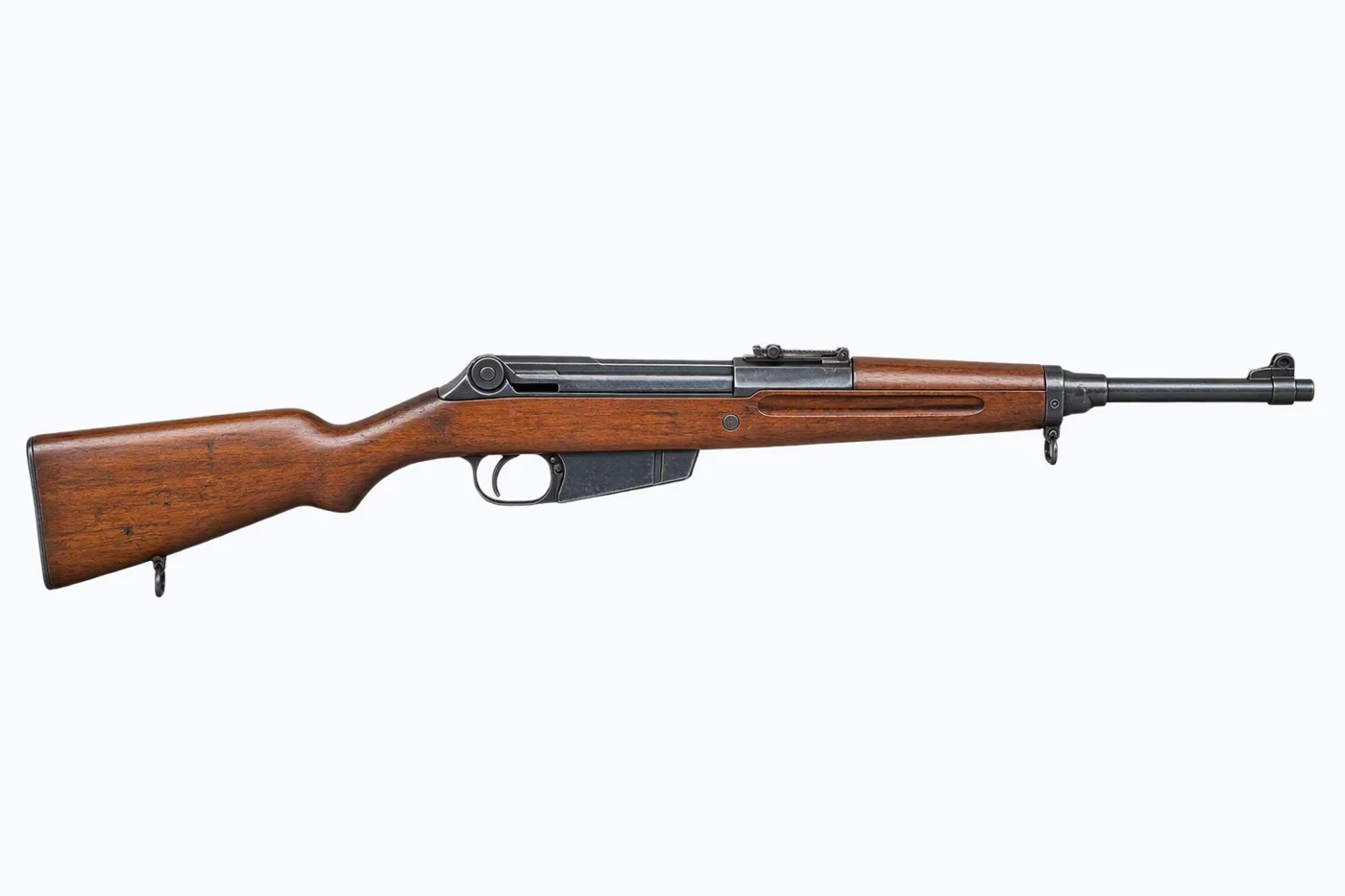
Armaguerra Mod. 39 (OM-44)
Short recoil (semi-automatic) · 7.35x51mm Carcano