
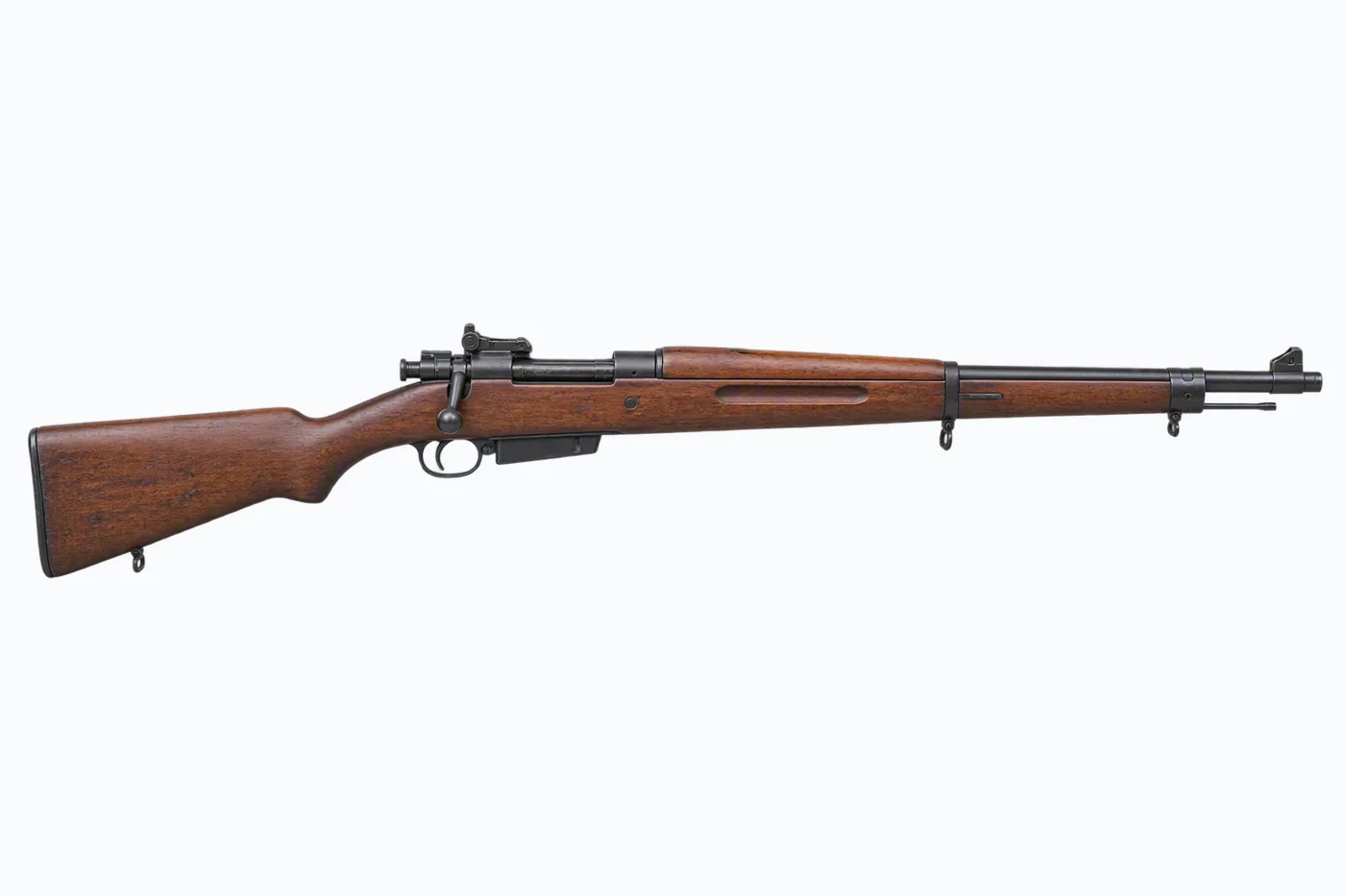
Springfield Armory · Rifle
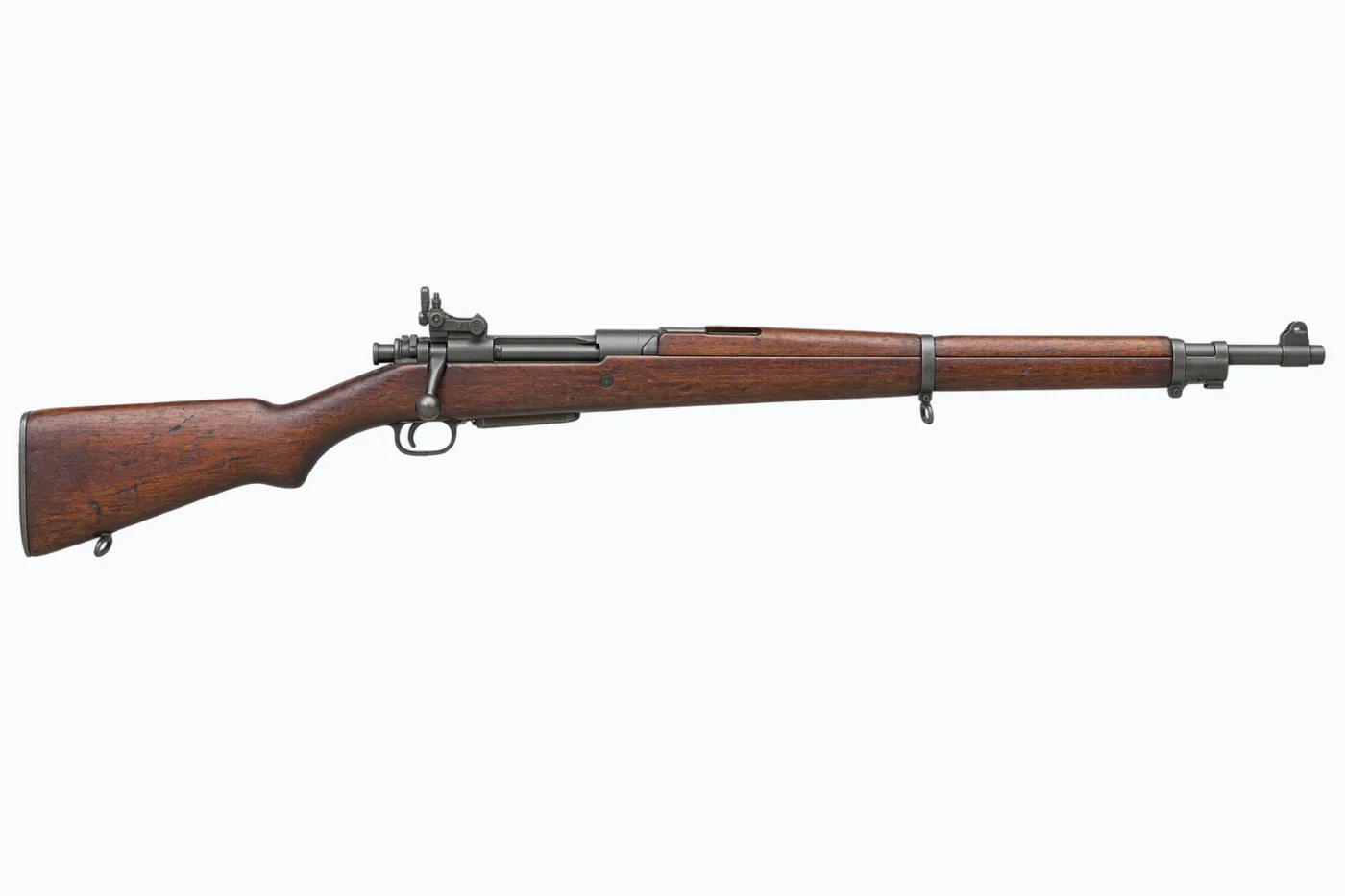
M1903 Springfield
Bolt action · .30-06 Springfield · introduced 1903
Also known as United States Rifle, Caliber .30, Model of 1903, Springfield 1903, Model 1903
About the M1903 Springfield
The M1903 Springfield, formally the United States Rifle, Caliber .30, Model of 1903, was the standard service rifle of the United States Army from 1905 until it was gradually replaced by the semi-automatic M1 Garand starting in 1936. The rifle was developed at Springfield Armory after the Spanish-American War demonstrated the inadequacy of the Krag-Jorgensen against the Mauser-armed Spanish forces, and it was essentially a direct adaptation of the Mauser Model 1898 turn-bolt action - so direct that the U.S. government paid Mauser $200,000 in licensing fees in 1905. Originally chambered for the .30-03 cartridge with a 220-grain round-nose bullet, the rifle was rechambered in 1906 for the new .30-06 Springfield (.30 Government 06) firing a 150-grain spitzer bullet at 2,800 fps, the cartridge that would remain the U.S. standard rifle and machine-gun round until the 1950s. The M1903 served U.S. troops through the Philippine-American War, World War I, the interwar period, World War II (alongside and increasingly behind the M1 Garand), the Korean War, and even into the early Vietnam War as a sniper rifle in the M1903A4 configuration. With over 3 million produced and a reputation for legendary accuracy, the M1903 is widely regarded as one of the finest bolt-action service rifles ever fielded.
The U.S. government had to pay Mauser $200,000 in 1905 to settle patent infringement claims because the M1903's bolt action was so closely copied from the German Mauser Model 1898 - a humiliating but pragmatic admission that the German design was simply the best in the world. Sergeant Alvin York used a borrowed M1917 Enfield in his Medal of Honor action in the Argonne Forest in October 1918, but the M1903 was carried by virtually every other American Marine and many soldiers of the AEF, and by U.S. Marine snipers using Unertl-scoped rifles it remained in deadly use against Japanese troops on every island of the Pacific campaign well into 1945.
M1903 Springfield specifications
General
- Type
- Rifle
- Action
- Bolt action
- Firing mechanism
- Striker-fired
- Trigger
- Single stage
- Calibres
- .30-06 Springfield, .30-03 Springfield
- Magazine capacity
- 5 rounds
- Magazine
- Internal
Dimensions
- Barrel length
- 610 mm (24.0 in)
- Overall length
- 1097 mm (43.2 in)
- Weight (empty)
- 3.94 kg (8.69 lb)
Barrel
- Rifling twist
- 1:10 in (254 mm)
- Rifling
- Right hand
- Grooves
- 4
Materials
- Barrel
- Steel
- Receiver / frame
- Steel
- Stock
- Wood
- Finish
- blued
Performance
- Muzzle velocity (typical)
- 853 m/s (2799 fps)
- Muzzle energy (typical)
- 3529 J (2603 ft·lb)
- Effective range
- 1000 m
History
- Introduced
- 1903
- Discontinued
- 1949
- Production status
- Out of production
- Country of origin
- US
- Designer
- Springfield Armory ordnance team (based on Mauser Model 1898)
Available calibres
Features
- Mauser pattern turn bolt action
- Controlled round feed
- Internal 5 round box magazine
- Stripper clip loading
- Magazine cutoff for single loading
- Leaf rear sight graduated to 2700 yards
- Blade front sight
- Walnut straight grip stock
- Knife bayonet lug
- Two piece handguard
Safety
- Manual thumb safety
- Magazine cutoff
Total production was 3,004,079 across all variants by Springfield Armory, Rock Island Arsenal, Remington Arms, and Smith-Corona Typewriters. Major variants: original M1903 (1903-1929, ladder rear sight, straight stock); M1903 Mark I (1918-1920, modified to accept the Pedersen Device); M1903A1 (1929, pistol-grip Type C stock); M1903A3 (1942-1945, wartime simplified version with stamped parts and aperture rear sight built by Remington and Smith-Corona); M1903A4 (1943-1945, sniper variant with Weaver M73B1 2.75x scope, no iron sights). The M1903A1 with Unertl 8x scope was the USMC sniper variant. Effective range with iron sights is generally cited at 600 yards (550m) for combat and 1000 yards (914m) for area harassing fire; the rear sight is graduated to 2700 yards. The .30-06 cartridge developed for this rifle remains in widespread civilian use over a century later. Springfield Armory closed in 1968; the modern company Springfield Armory Inc. is unrelated to the U.S. government arsenal that produced the M1903.
M1903 Springfield variants
Similar models
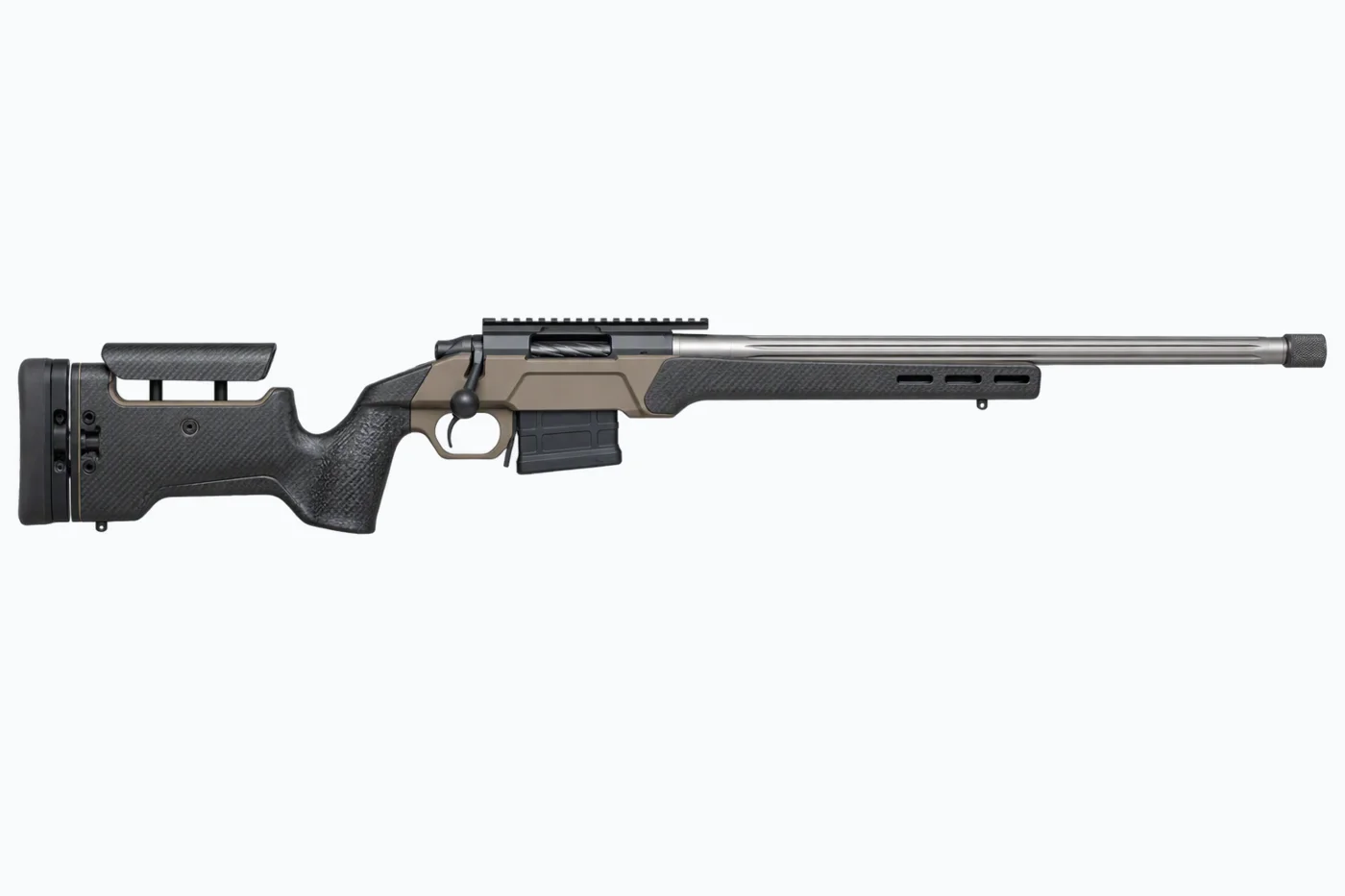
Aero Precision SOLUS Hunter
Bolt action · 6.5mm Creedmoor
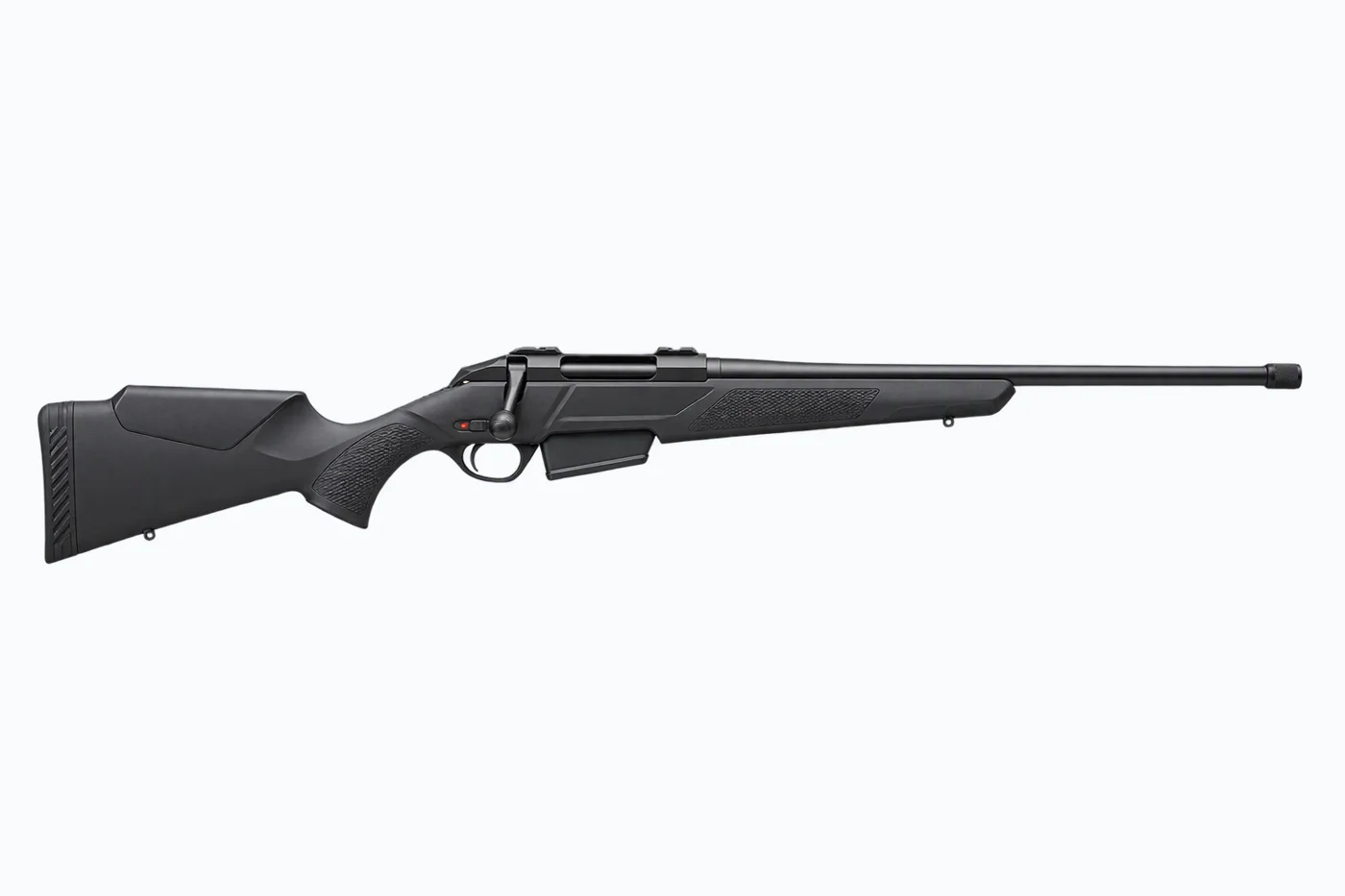
Benelli Lupo
Bolt action · .308 Winchester
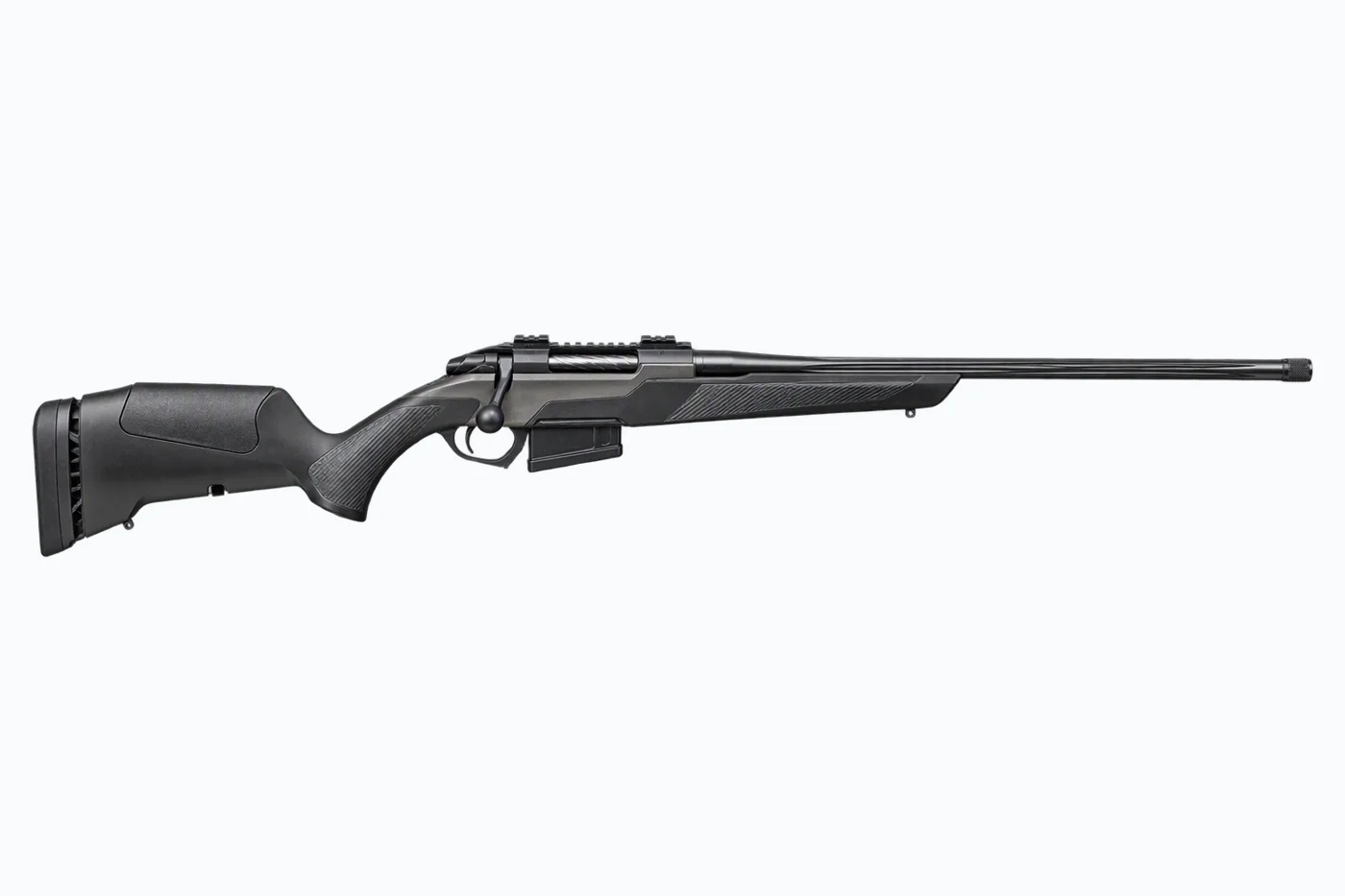
Benelli BE.S.T. Lupo
Bolt action · .308 Winchester
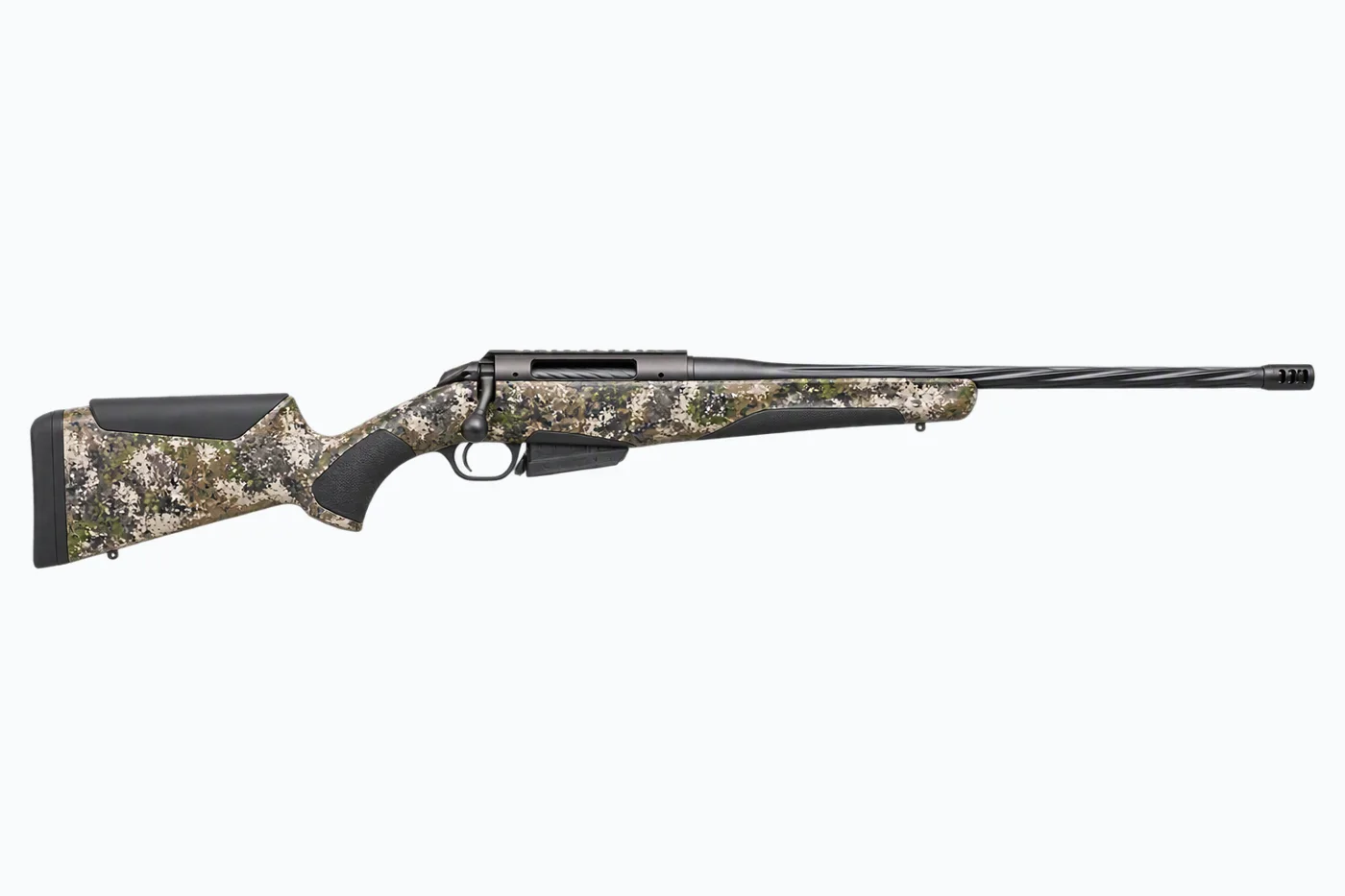
Benelli BE.S.T. Lupo Camo
Bolt action · .308 Winchester
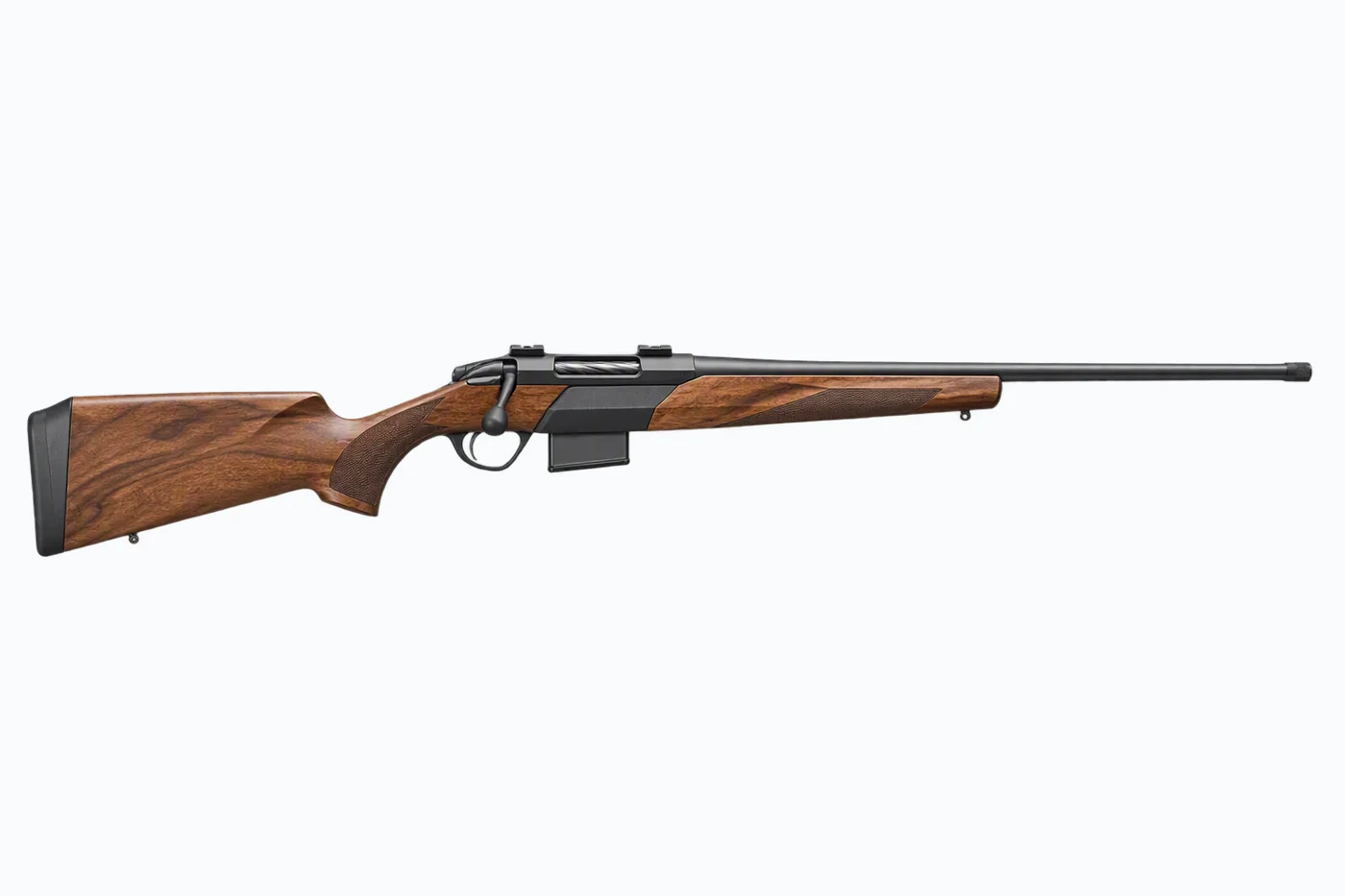
Benelli BE.S.T. Lupo Walnut
Bolt action · .308 Winchester
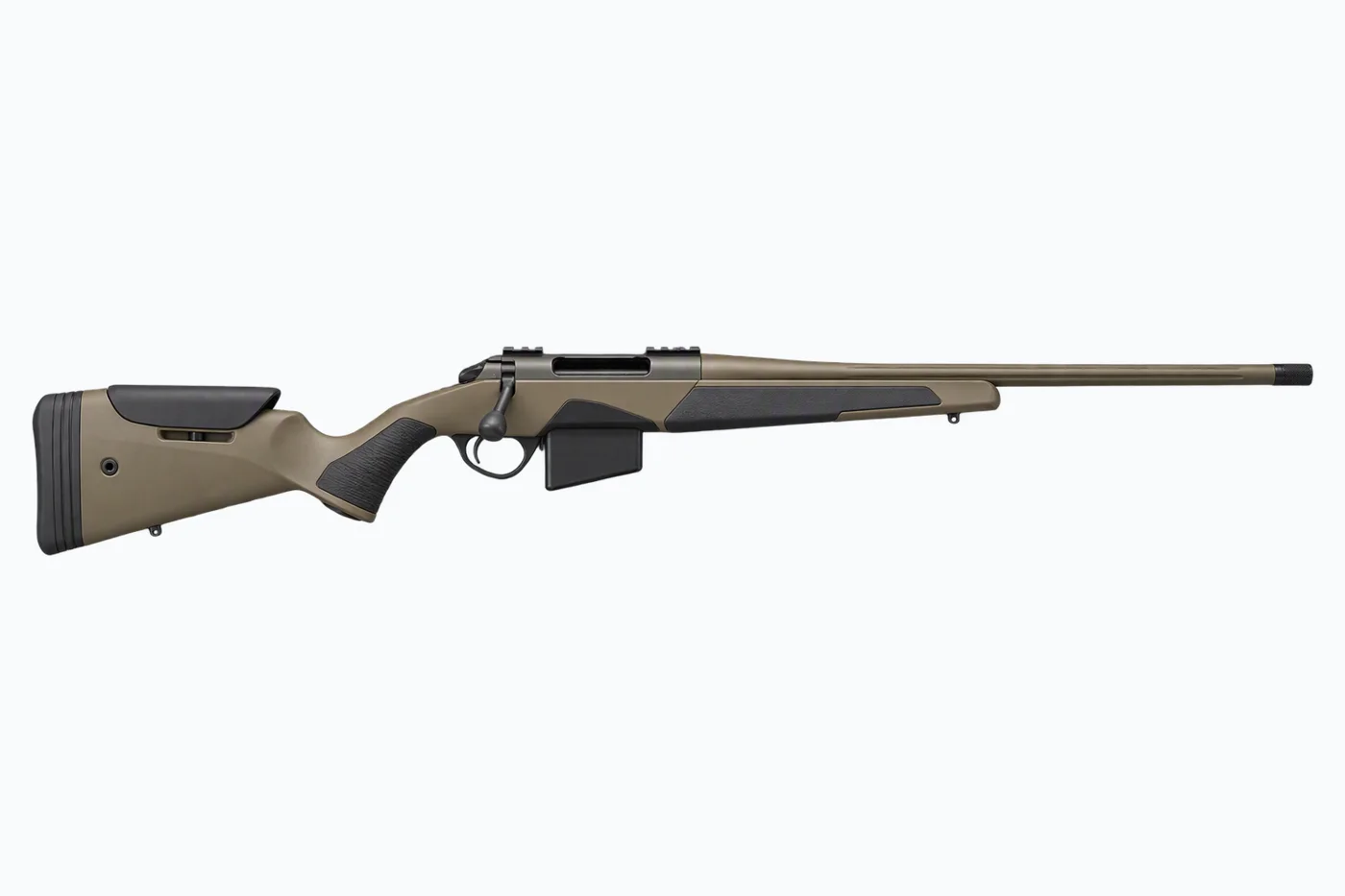
Benelli Lupo Cerakote
Bolt action · .308 Winchester
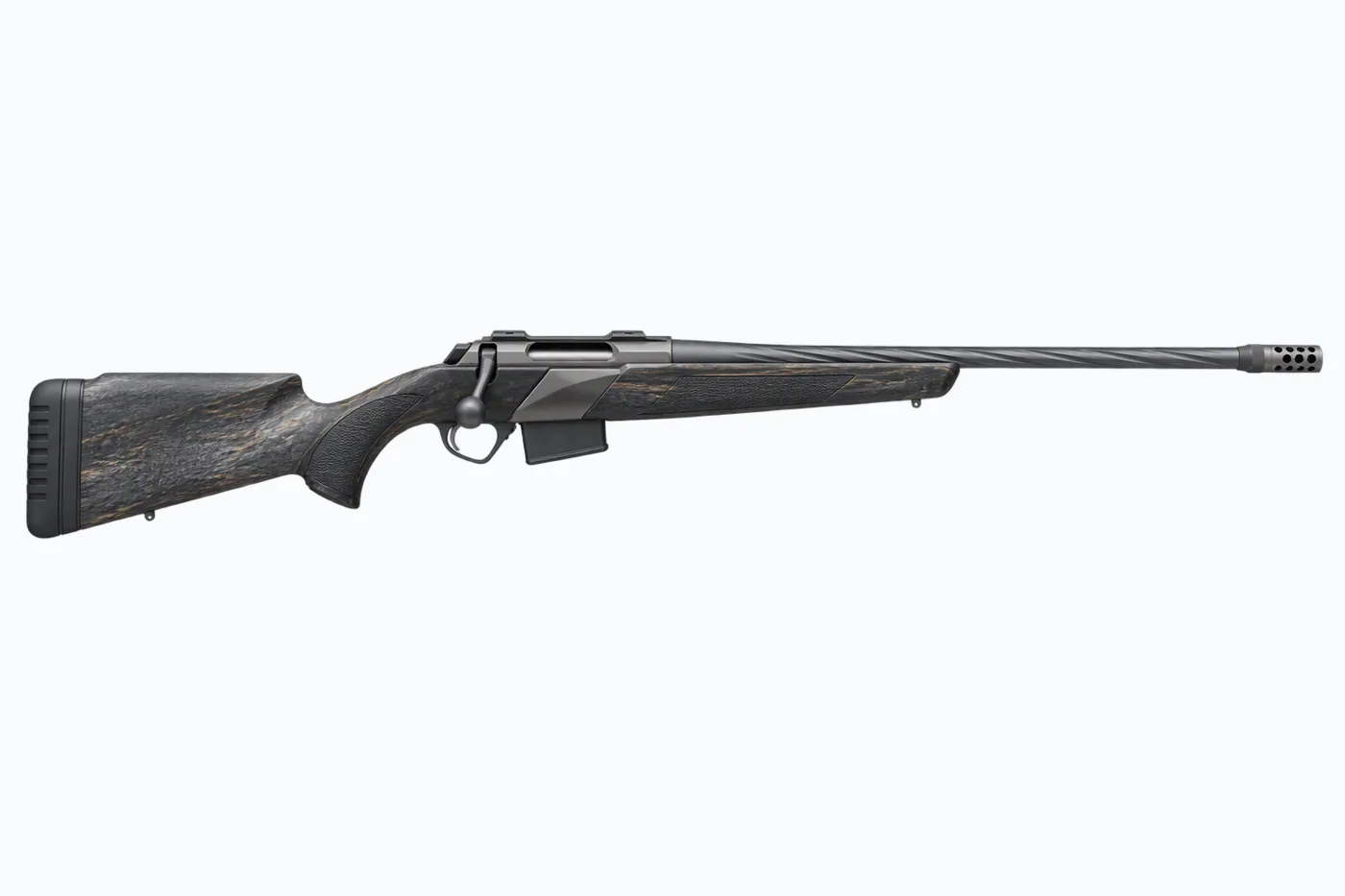
Benelli Lupo Charred Timber
Bolt action · 6.5mm Creedmoor