
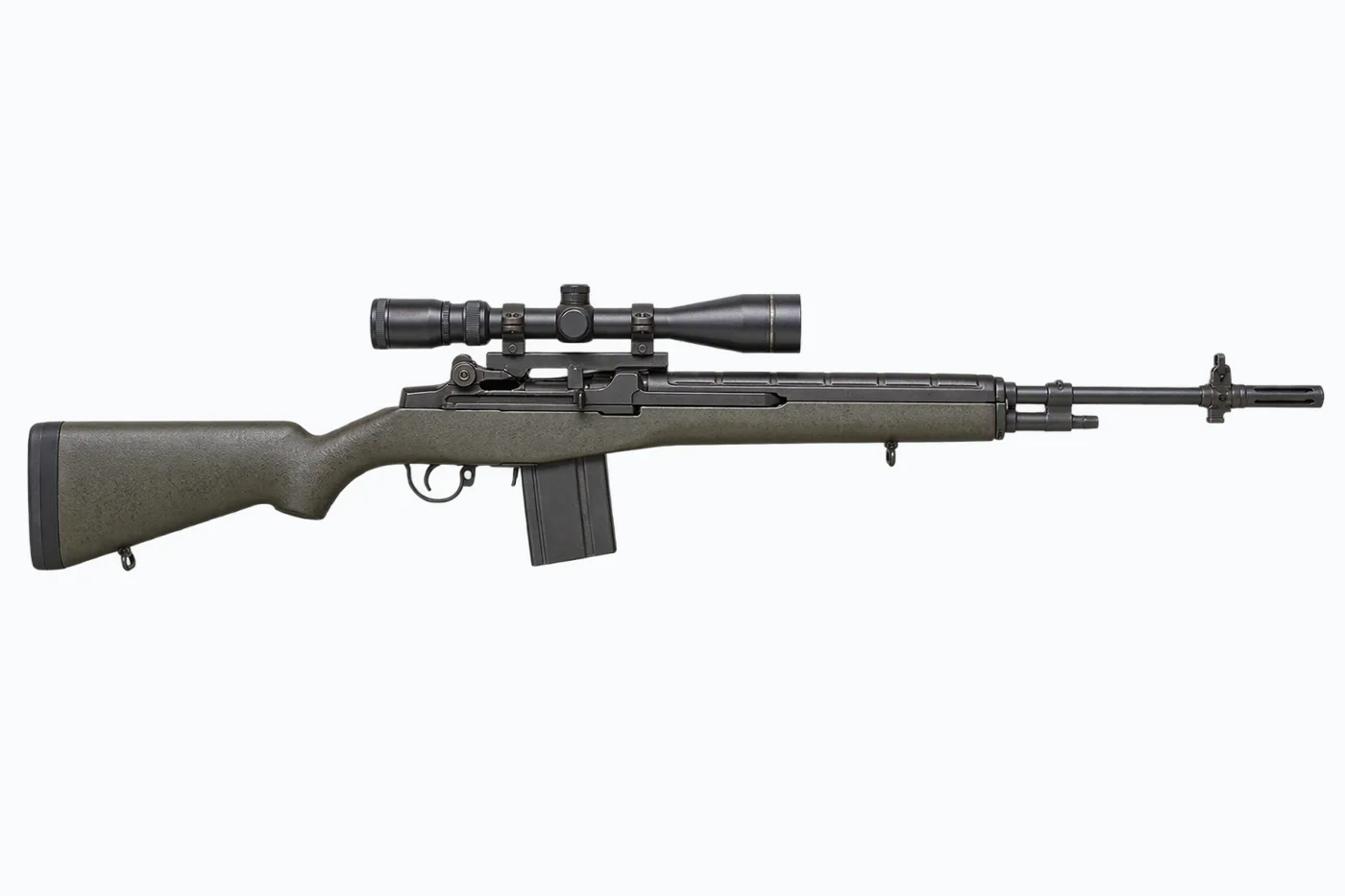
Springfield Armory · Sniper Rifle
M21 Sniper Weapon System
Gas operated short stroke · 7.62x51mm NATO · introduced 1969
Also known as M21 SWS, XM21, M14 Sniper
About the M21 Sniper Weapon System
The M21 Sniper Weapon System was the United States Army's primary sniper rifle from 1969 until its replacement by the M24 SWS in 1988. Based on the M14 battle rifle, the M21 was a semi-automatic sniper weapon built from hand-selected M14 receivers and National Match-grade components, paired with the Adjustable Ranging Telescope (ART) scope. The semi-automatic action gave snipers a decisive advantage in rapid follow-up shots compared to bolt-action rifles, a capability particularly valued in the dense jungle terrain of Vietnam.
Gunnery Sergeant Carlos Hathcock, the most legendary American sniper of the Vietnam War with 93 confirmed kills, primarily used a Winchester Model 70 but the M21/XM21 system was developed partly in response to the need for a semi-automatic sniper capability in Vietnam's dense jungle. Army sniper Adelbert Waldron, who achieved the highest number of confirmed kills (109) of any American sniper in Vietnam, used the XM21 extensively in the Mekong Delta, where its semi-automatic capability allowed rapid engagement of fleeting targets from patrol boats.
M21 Sniper Weapon System specifications
General
- Type
- Sniper Rifle
- Action
- Gas operated short stroke
- Firing mechanism
- Rotating bolt
- Trigger
- Two stage
- Trigger pull
- 2.2 kg (4.9 lb)
- Calibres
- 7.62x51mm NATO
- Magazine capacity
- 20 rounds
- Magazine
- Detachable box magazine
Dimensions
- Barrel length
- 559 mm (22.0 in)
- Overall length
- 1120 mm (44.1 in)
- Weight (empty)
- 5.27 kg (11.62 lb)
- Weight (loaded)
- 5.60 kg (12.35 lb)
Barrel
- Rifling twist
- 1:12 in (305 mm)
- Rifling
- Right hand
- Grooves
- 4
Materials
- Barrel
- Steel
- Receiver / frame
- Steel
- Stock
- Fiberglass
- Finish
- parkerized
Performance
- Muzzle velocity (typical)
- 853 m/s (2799 fps)
- Muzzle energy (typical)
- 3457 J (2550 ft·lb)
- Effective range
- 690 m
History
- Introduced
- 1969
- Discontinued
- 1988
- Production status
- Out of production
- Country of origin
- US
Features
- Adjustable ranging telescope art
- National match barrel
- National match trigger
- Glass bedded action
- Flash hider
- Bipod compatible
- Iron sights retained
Safety
- Manual safety
The M21 was developed at the US Army Marksmanship Unit at Fort Benning through the XM21 program beginning in 1966. Each M21 was built from hand-selected M14 components, with the action glass-bedded into a fiberglass stock for improved accuracy. The Adjustable Ranging Telescope (ART) 3-9x scope featured a unique ranging system that automatically adjusted bullet drop compensation as the scope was zoomed. The M21 was required to shoot sub-1.2 MOA groups with match ammunition. The system was officially replaced by the bolt-action M24 in 1988, though M21s continued to see service into the early 2000s in some units.
Similar models
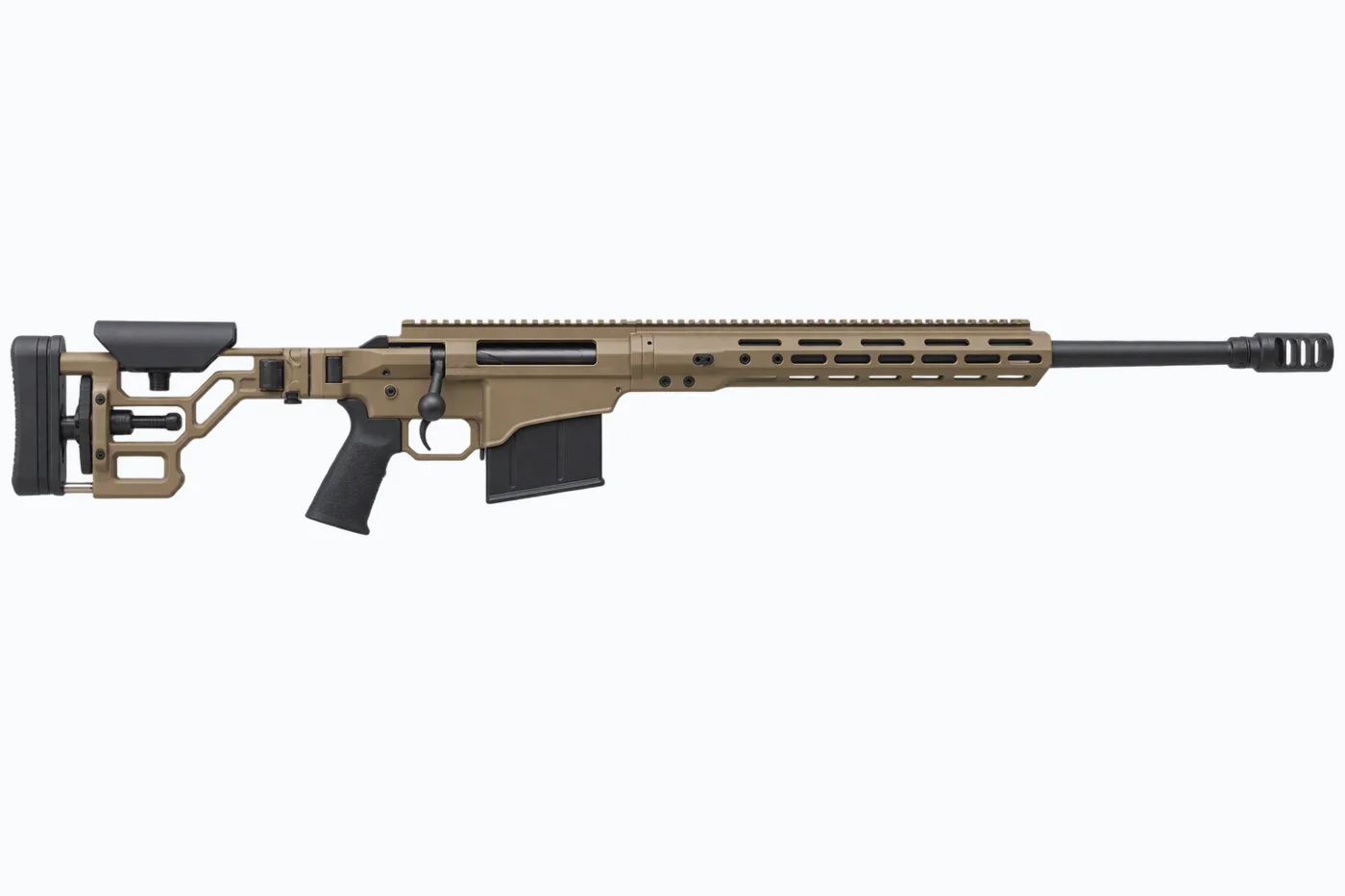
Barrett MRAD
Bolt action · .338 Lapua Magnum
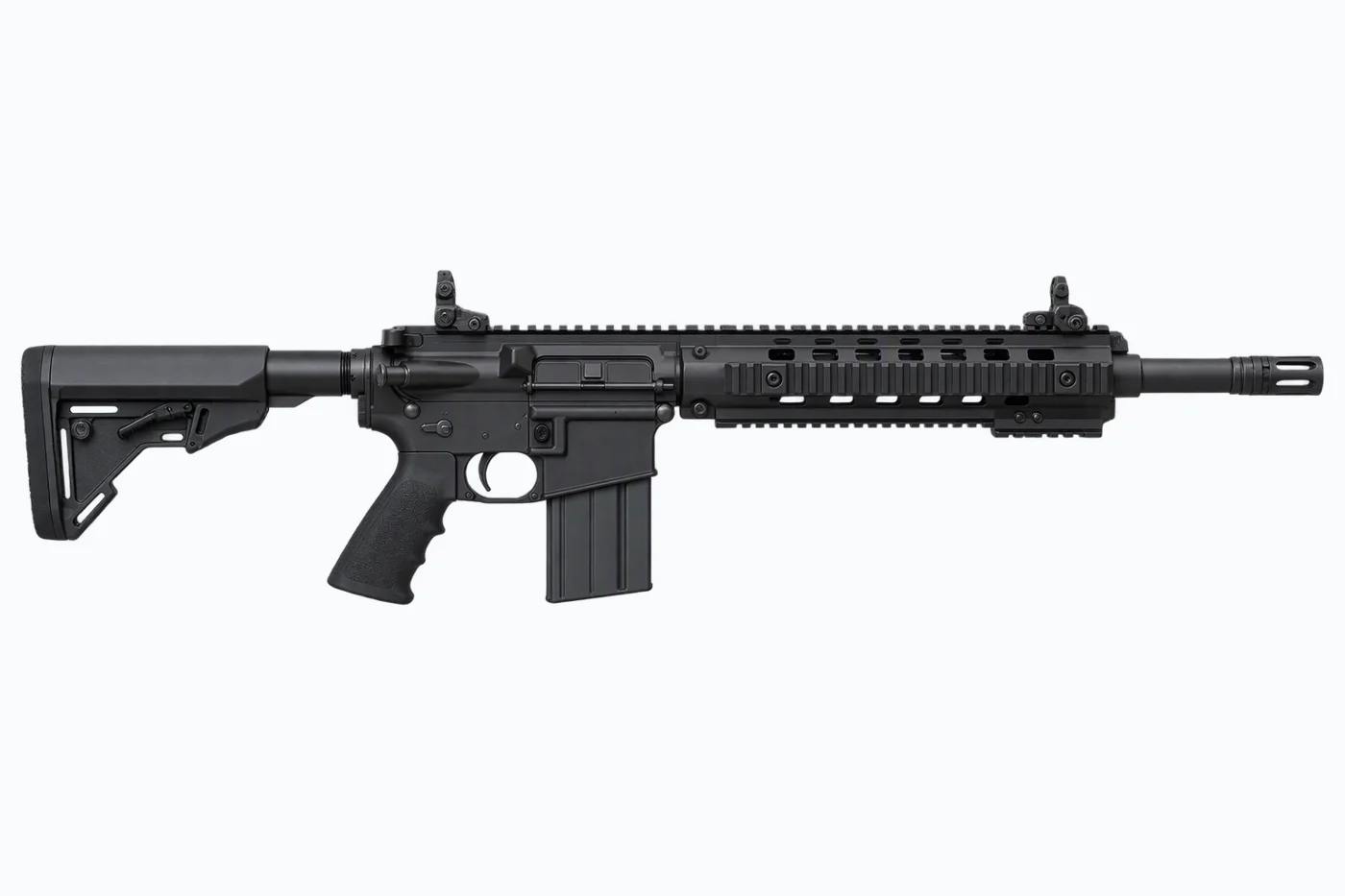
Colt CM901
Gas-operated (direct impingement) · 7.62x51mm NATO
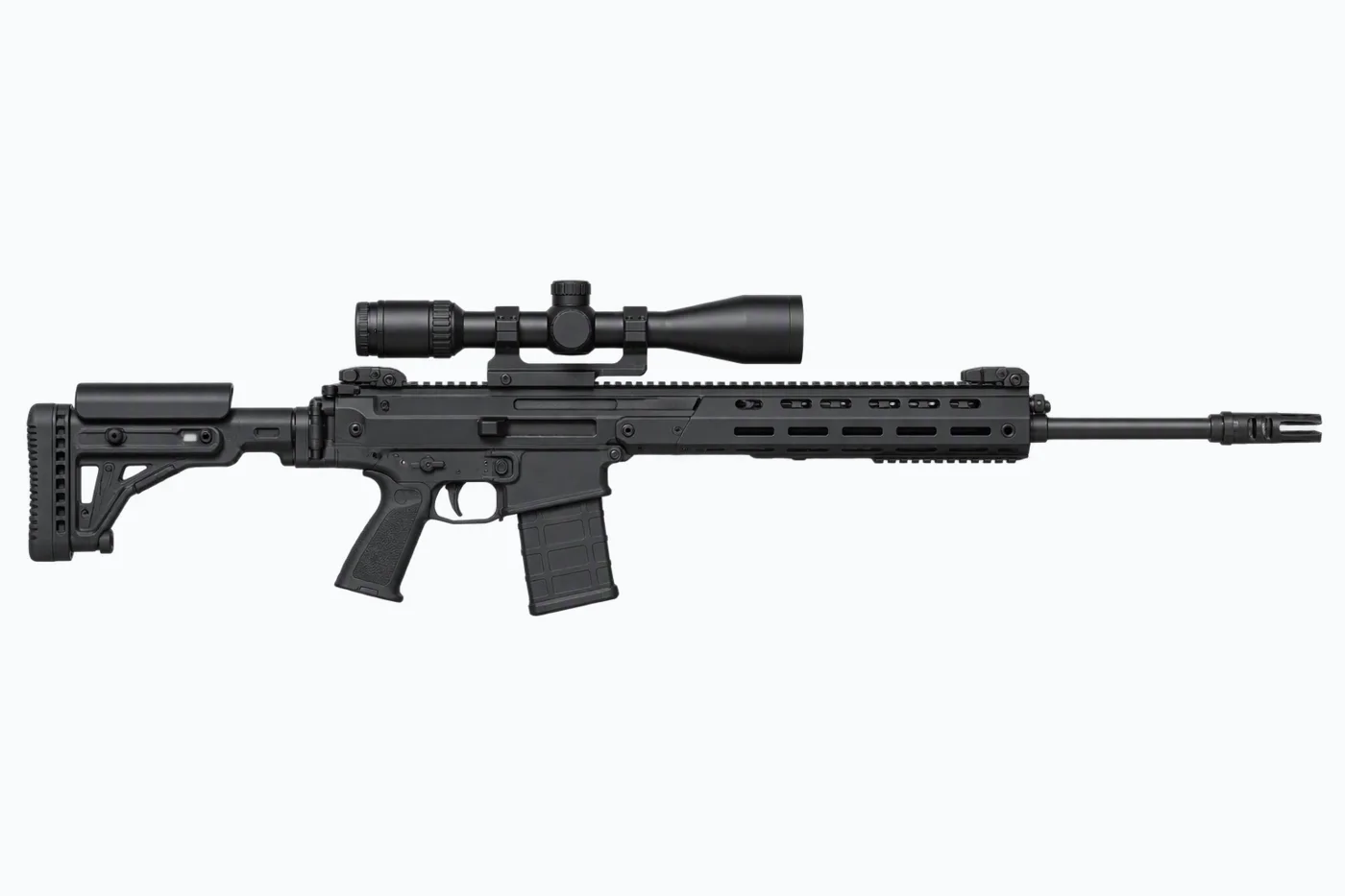
CZ BREN 2 DMR
Gas operated short stroke piston · 7.62x51mm NATO
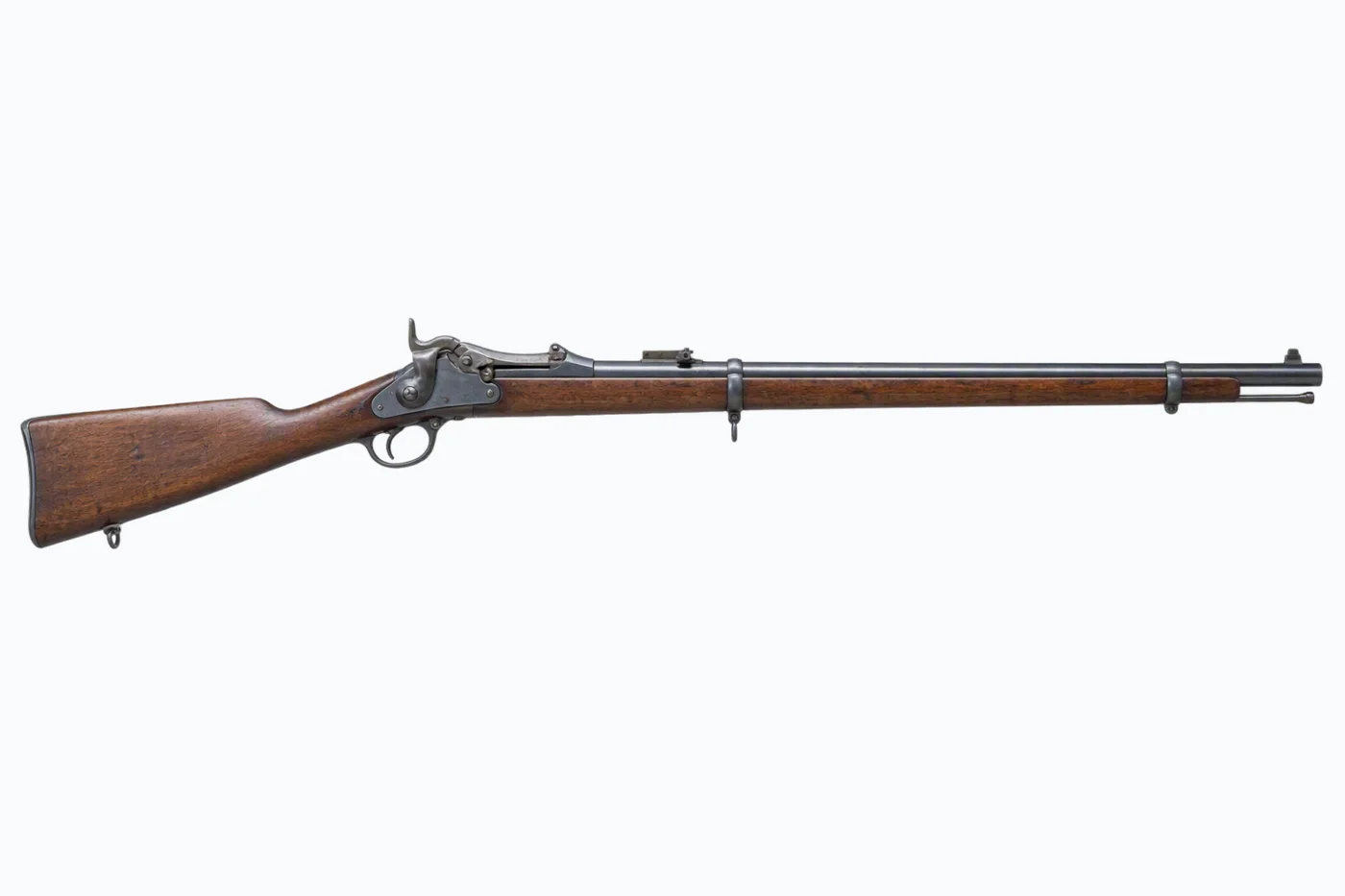
Allin Conversion
Trapdoor · .50-70 Government
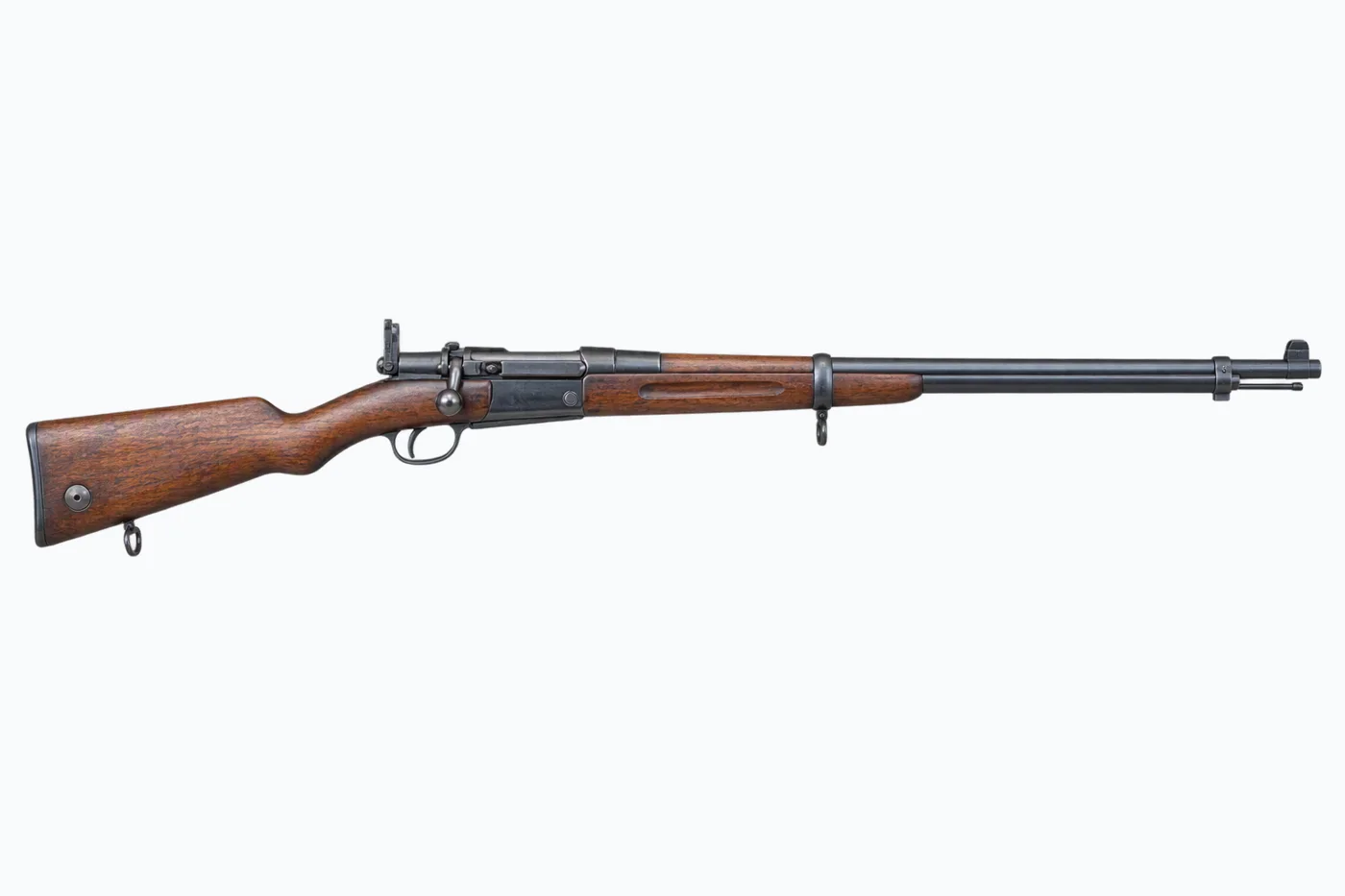
Chaffee-Reece M1882
Bolt action · .45-70 Government
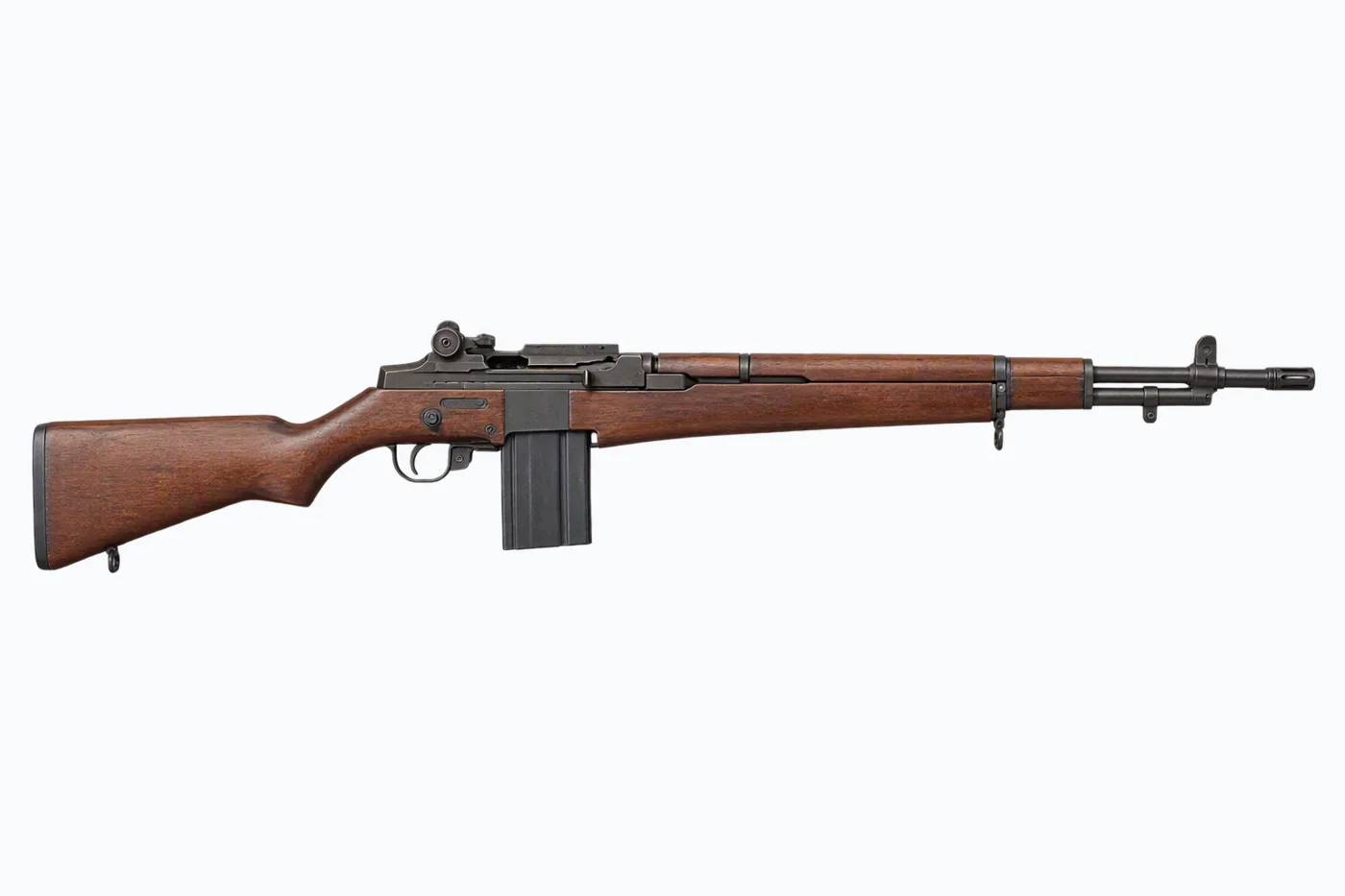
Garand T20
Gas-operated · .30-06 Springfield
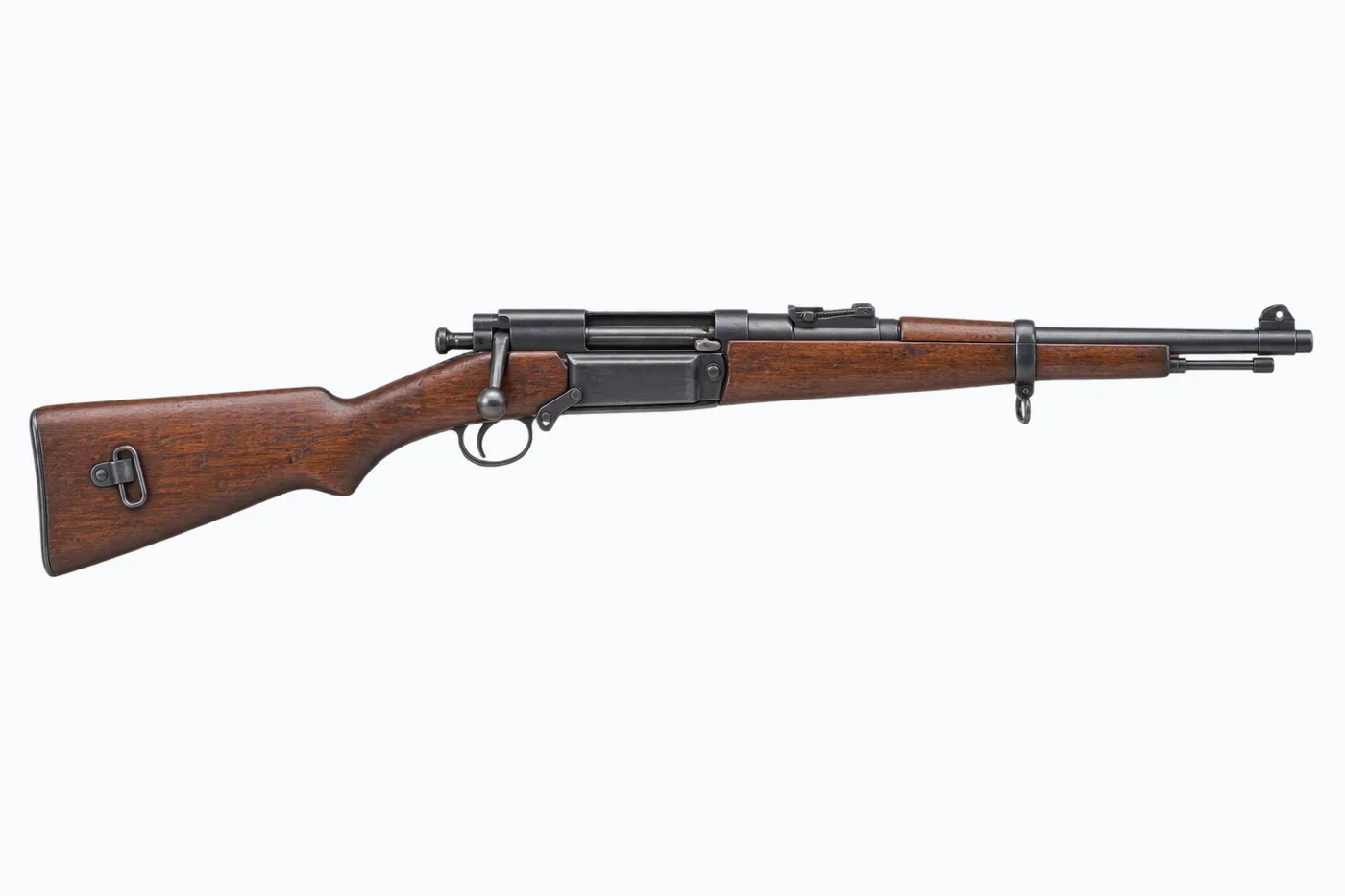
Krag-Jorgensen Carbine Model 1899
Bolt action · .30-40 Krag
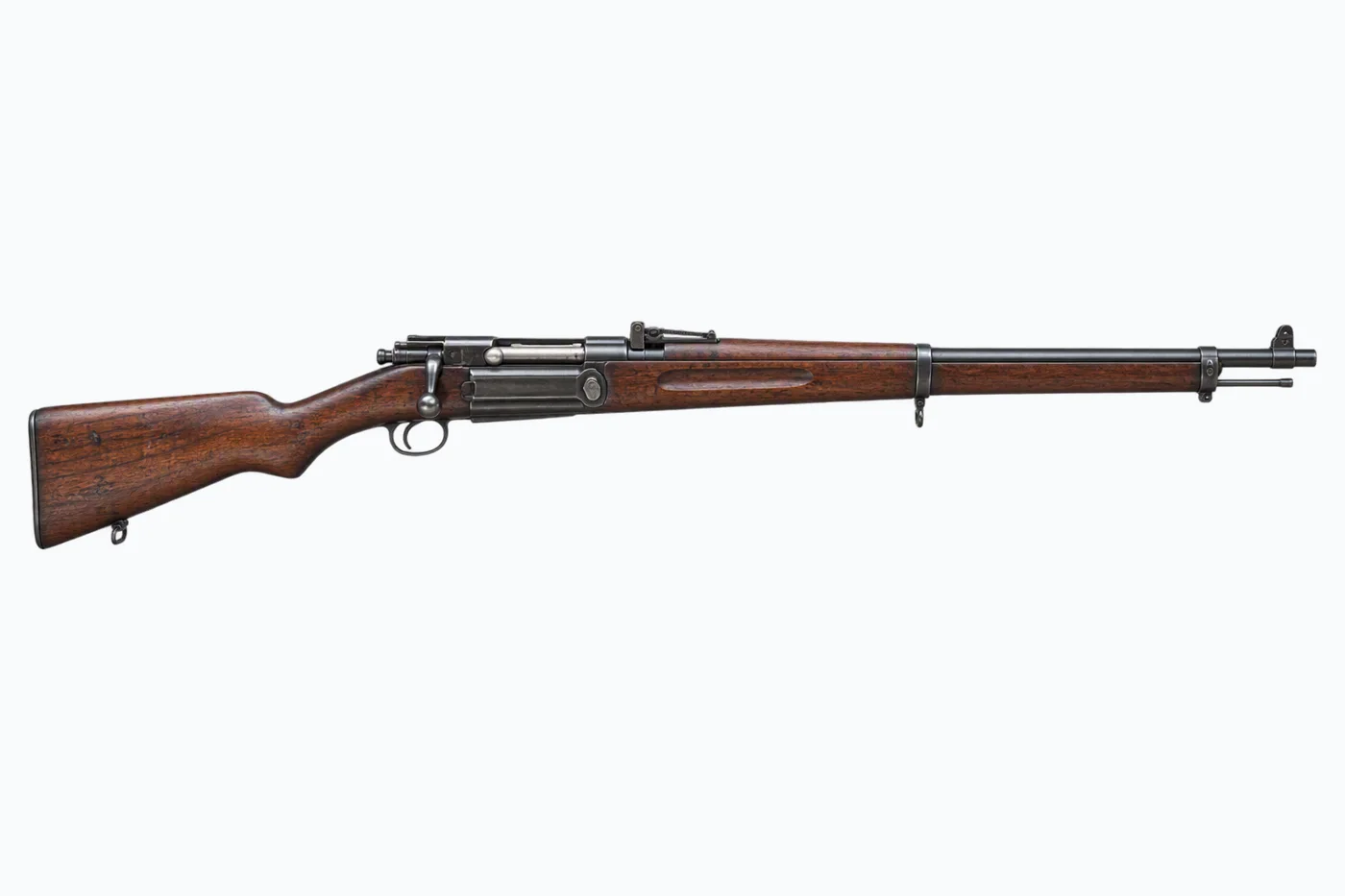
Krag-Jorgensen M1898
Bolt action · .30-40 Krag