
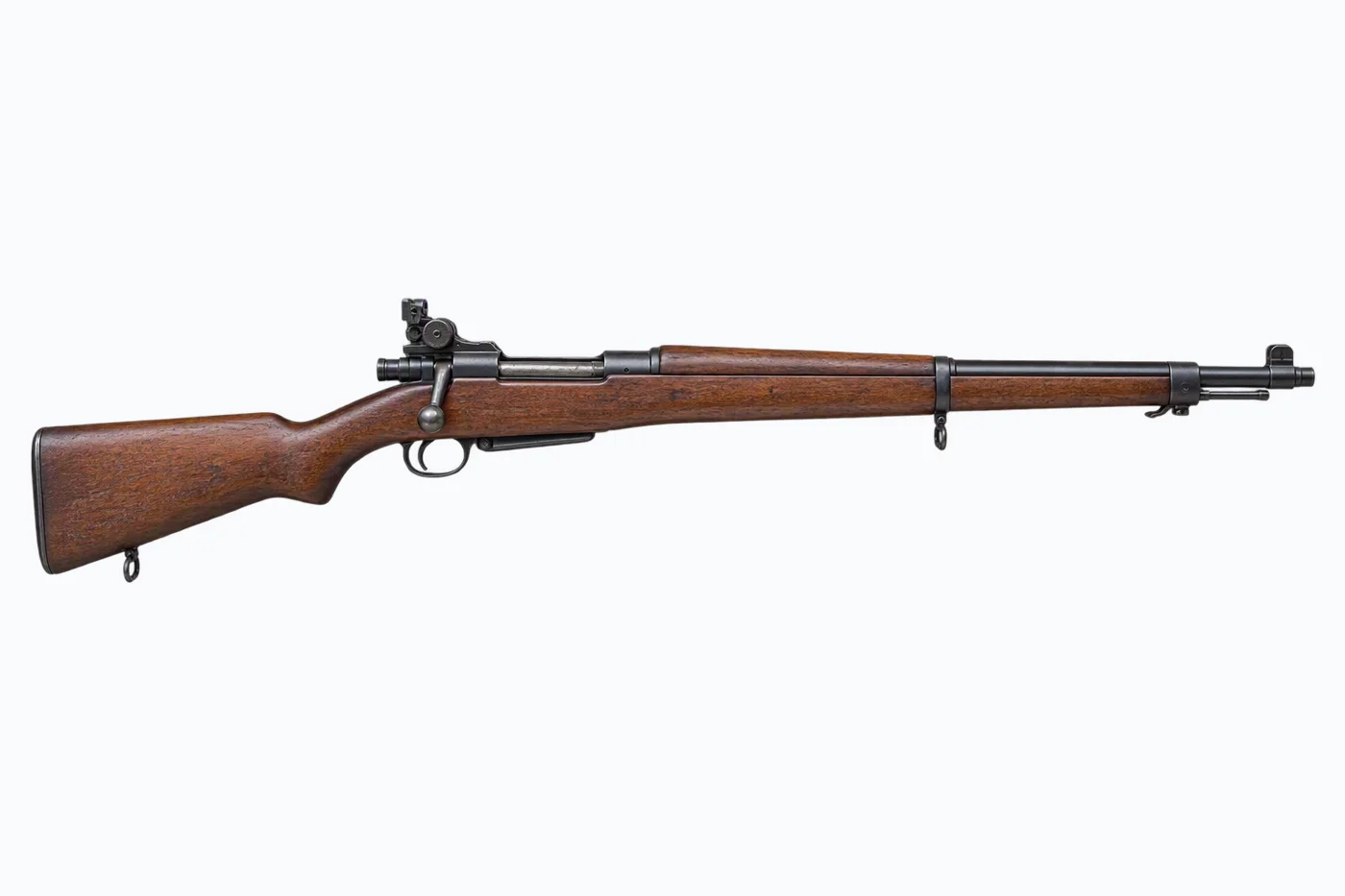
United · Rifle
M1917 Enfield
Bolt action · .30-06 Springfield · introduced 1917
Also known as U.S. Model of 1917, American Enfield, P17
About the M1917 Enfield
The M1917 Enfield is an American bolt-action service rifle chambered in .30-06 Springfield. Adapted from the British Pattern 1914 Enfield (P14) when the United States entered World War I and faced a critical shortage of M1903 Springfield rifles, it was produced by Winchester, Remington, and Eddystone using existing tooling. Featuring a modified Mauser-type action with cock-on-closing, a sturdy rear aperture sight protected by ears, and a five-groove left-hand-twist barrel, it became the most widely carried rifle of the American Expeditionary Forces, equipping roughly three-quarters of U.S. infantry in France.
Adopted as an expedient when the U.S. could not produce enough M1903 Springfields for the war effort, the M1917 ended up arming the majority of American doughboys in World War I, making it the true workhorse rifle of the AEF despite the M1903's greater fame.
M1917 Enfield specifications
General
- Type
- Rifle
- Action
- Bolt action
- Firing mechanism
- Striker-fired
- Trigger
- Single action
- Calibres
- .30-06 Springfield
- Magazine capacity
- 6 rounds
- Magazine
- Fixed box
Dimensions
- Barrel length
- 660 mm (26.0 in)
- Overall length
- 1175 mm (46.3 in)
- Weight (empty)
- 4.17 kg (9.19 lb)
Barrel
- Rifling twist
- 1:10 in (254 mm)
- Rifling
- Left hand
- Grooves
- 5
Materials
- Barrel
- Steel
- Receiver / frame
- Steel
- Stock
- Walnut
- Finish
- blued
Performance
- Muzzle velocity (typical)
- 823 m/s (2700 fps)
- Muzzle energy (typical)
- 4515 J (3330 ft·lb)
- Effective range
- 550 m
History
- Introduced
- 1917
- Discontinued
- 1919
- Production status
- Discontinued
- Country of origin
- US
- Designer
- Enfield (Pattern 1914), U.S. Ordnance Department
Features
- Rear aperture sight
- Protected ears sight
- Cock on closing
- Stripper clip loading
- Bent bolt handle
Safety
- Manual safety
Unlike the M1903 Springfield, the M1917 lacked a magazine cut-off and used a larger, heavier receiver. Its protected rear aperture sight was widely regarded as faster and more accurate than the mid-barrel sights of contemporary rifles. Sergeant Alvin York famously used an M1917 (not a M1903 as often depicted) during his Medal of Honor action in 1918.
Similar models
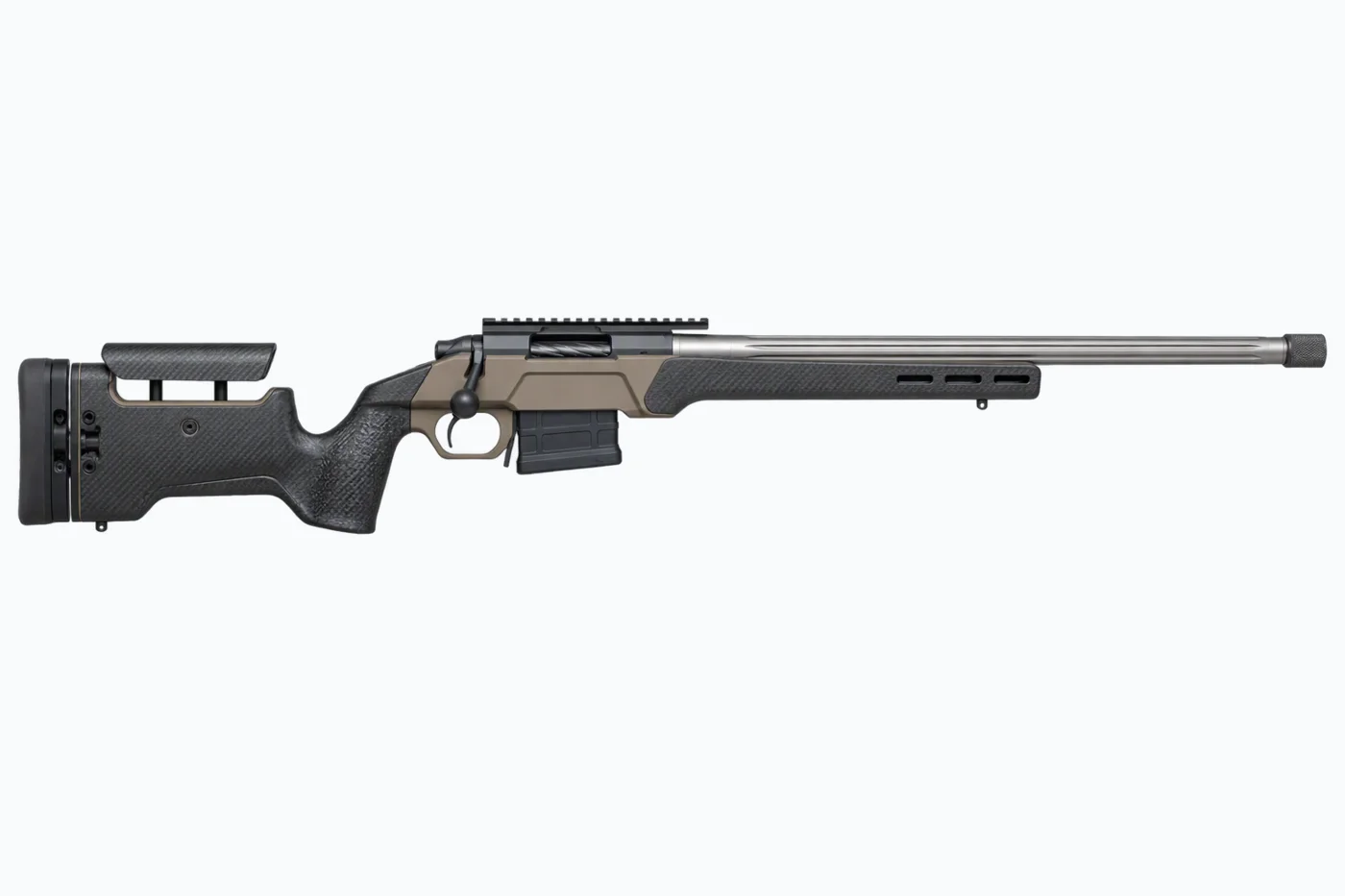
Aero Precision SOLUS Hunter
Bolt action · 6.5mm Creedmoor
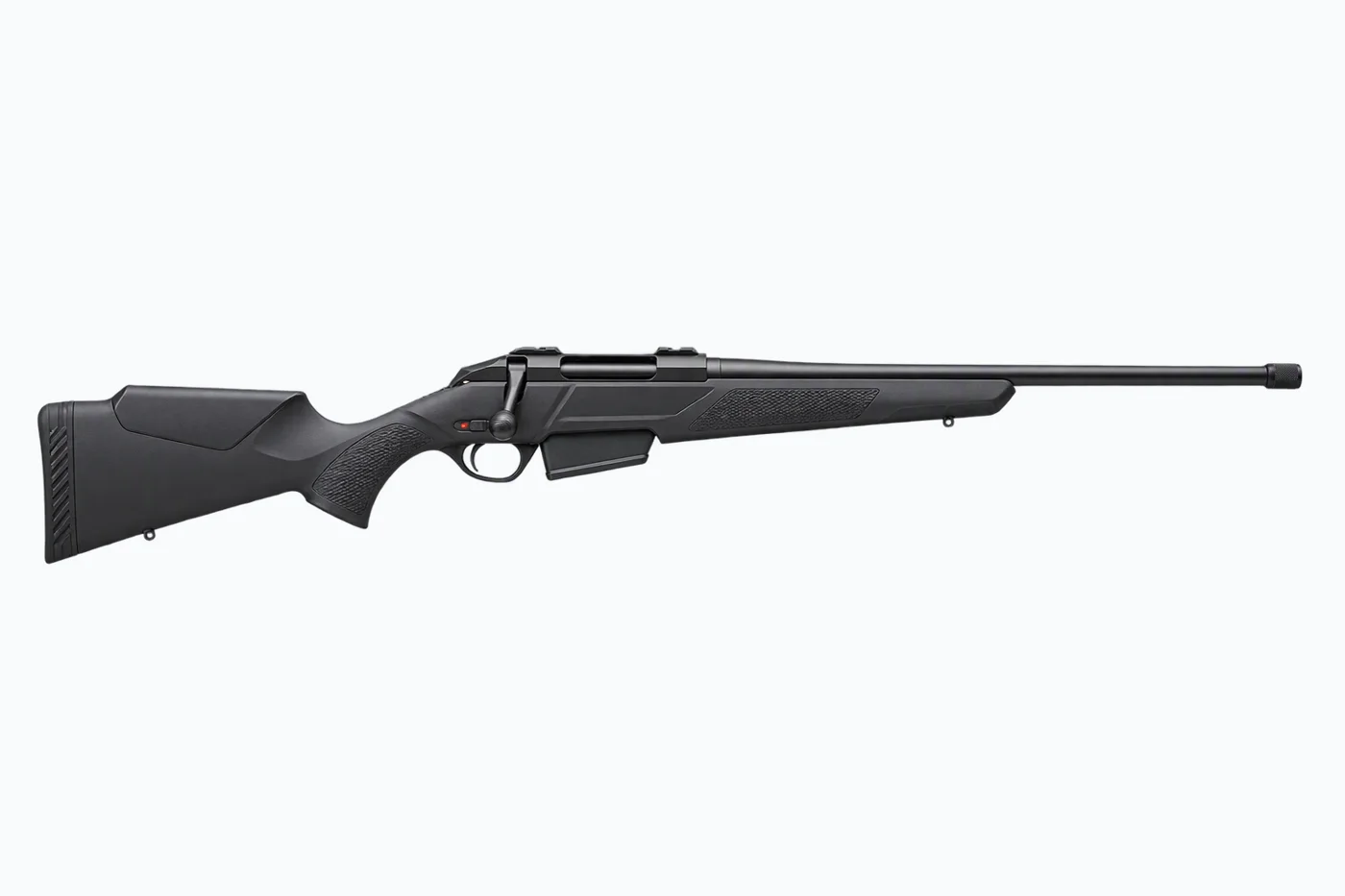
Benelli Lupo
Bolt action · .308 Winchester
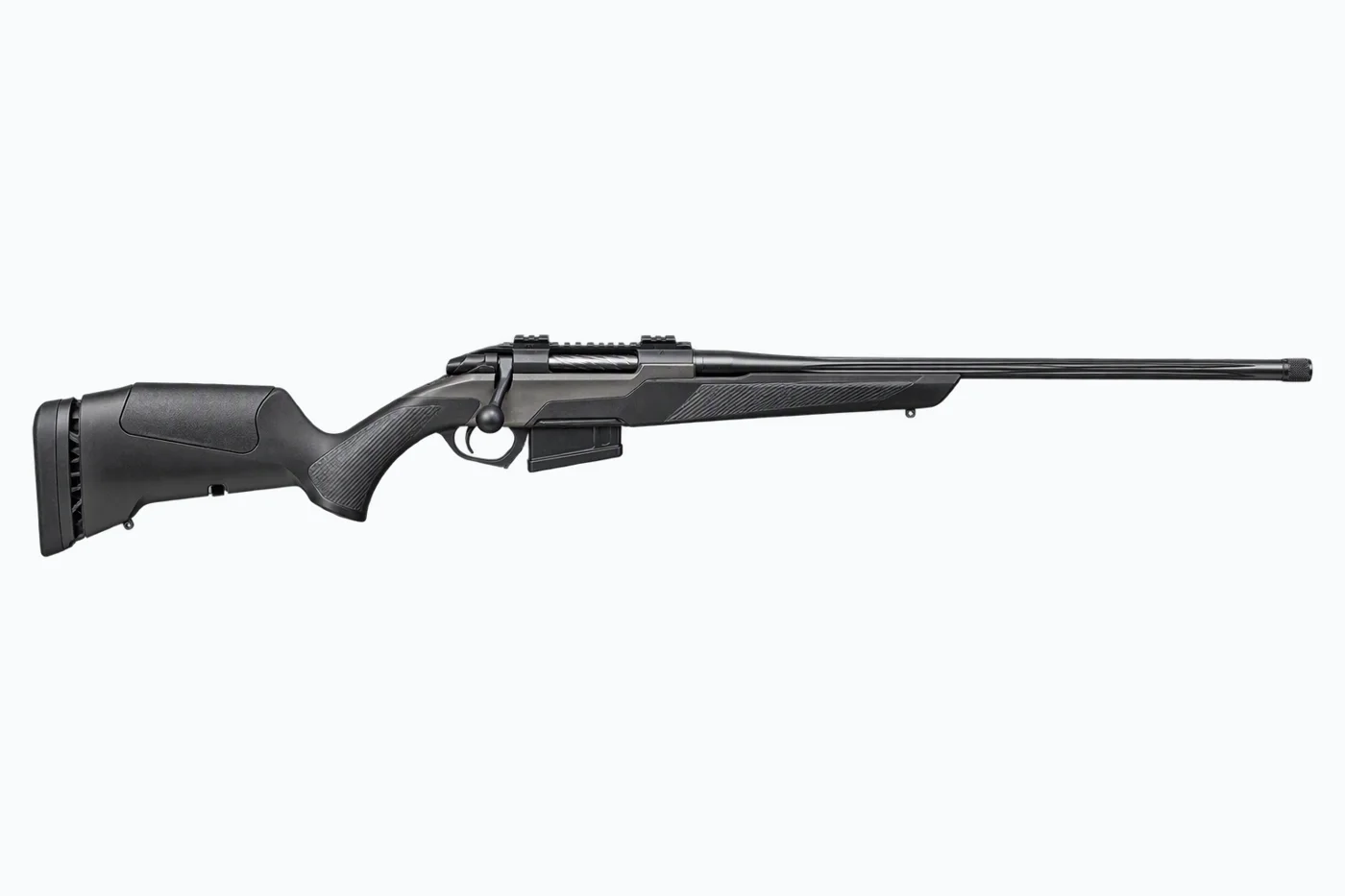
Benelli BE.S.T. Lupo
Bolt action · .308 Winchester
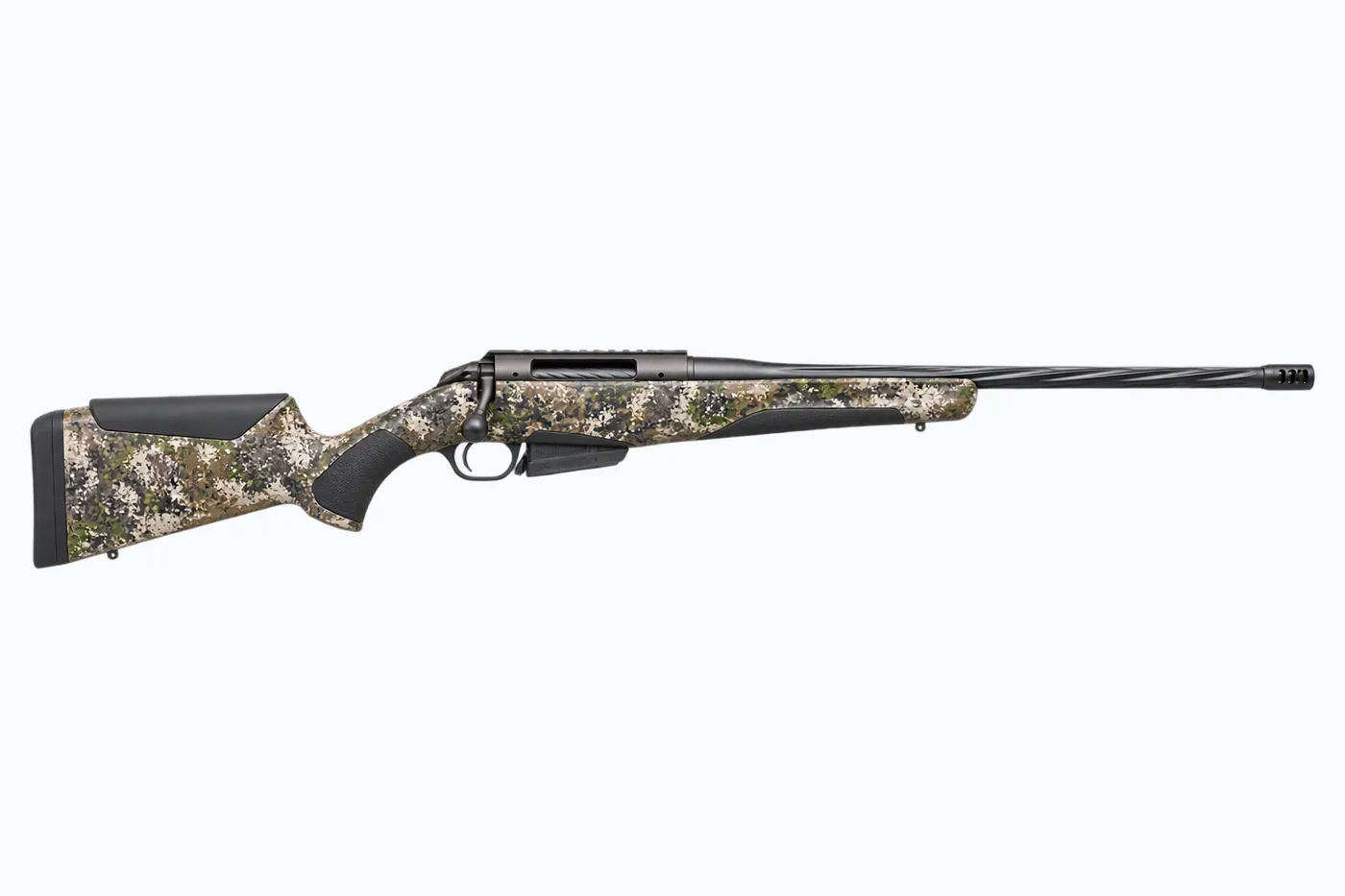
Benelli BE.S.T. Lupo Camo
Bolt action · .308 Winchester
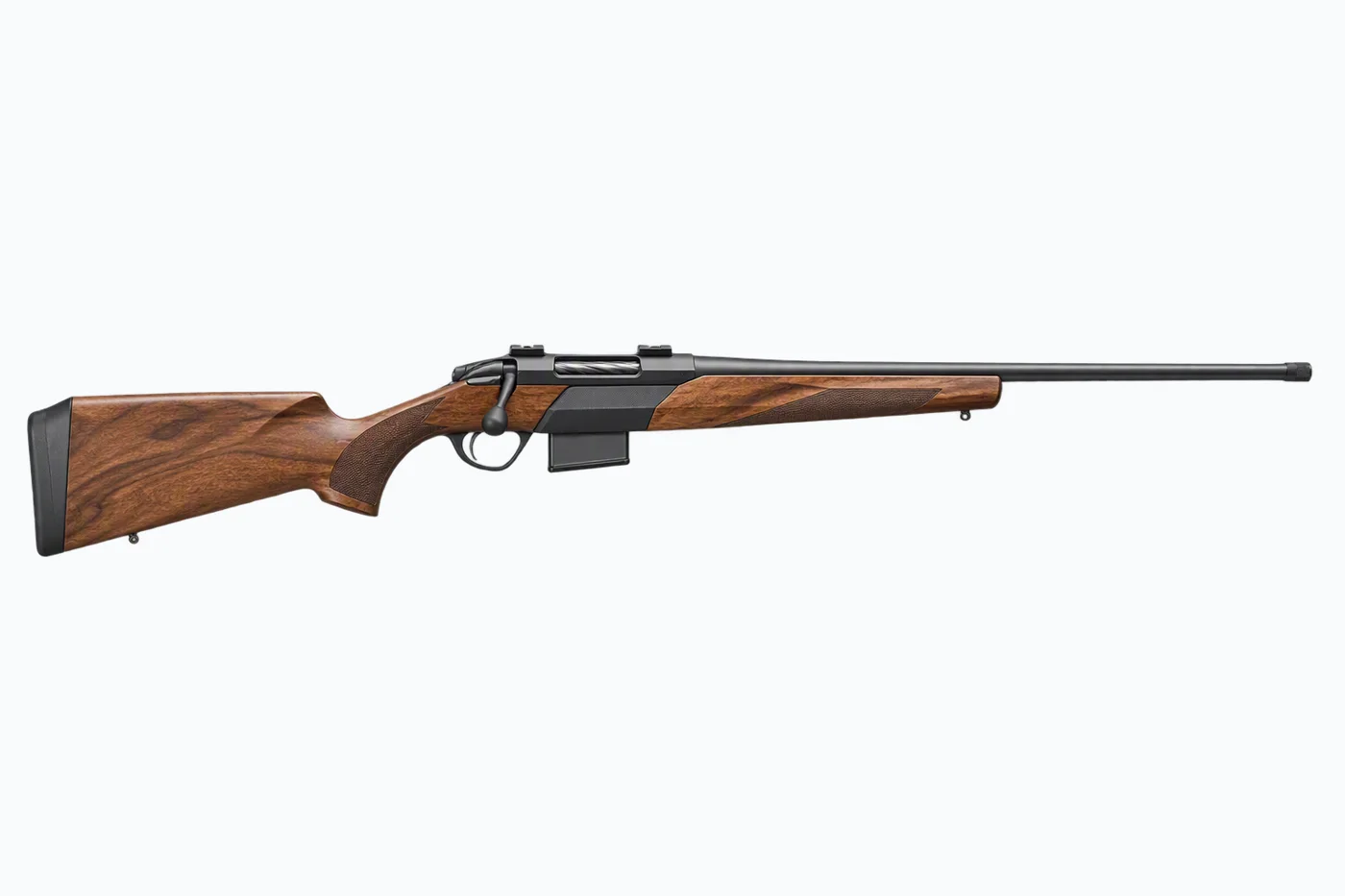
Benelli BE.S.T. Lupo Walnut
Bolt action · .308 Winchester
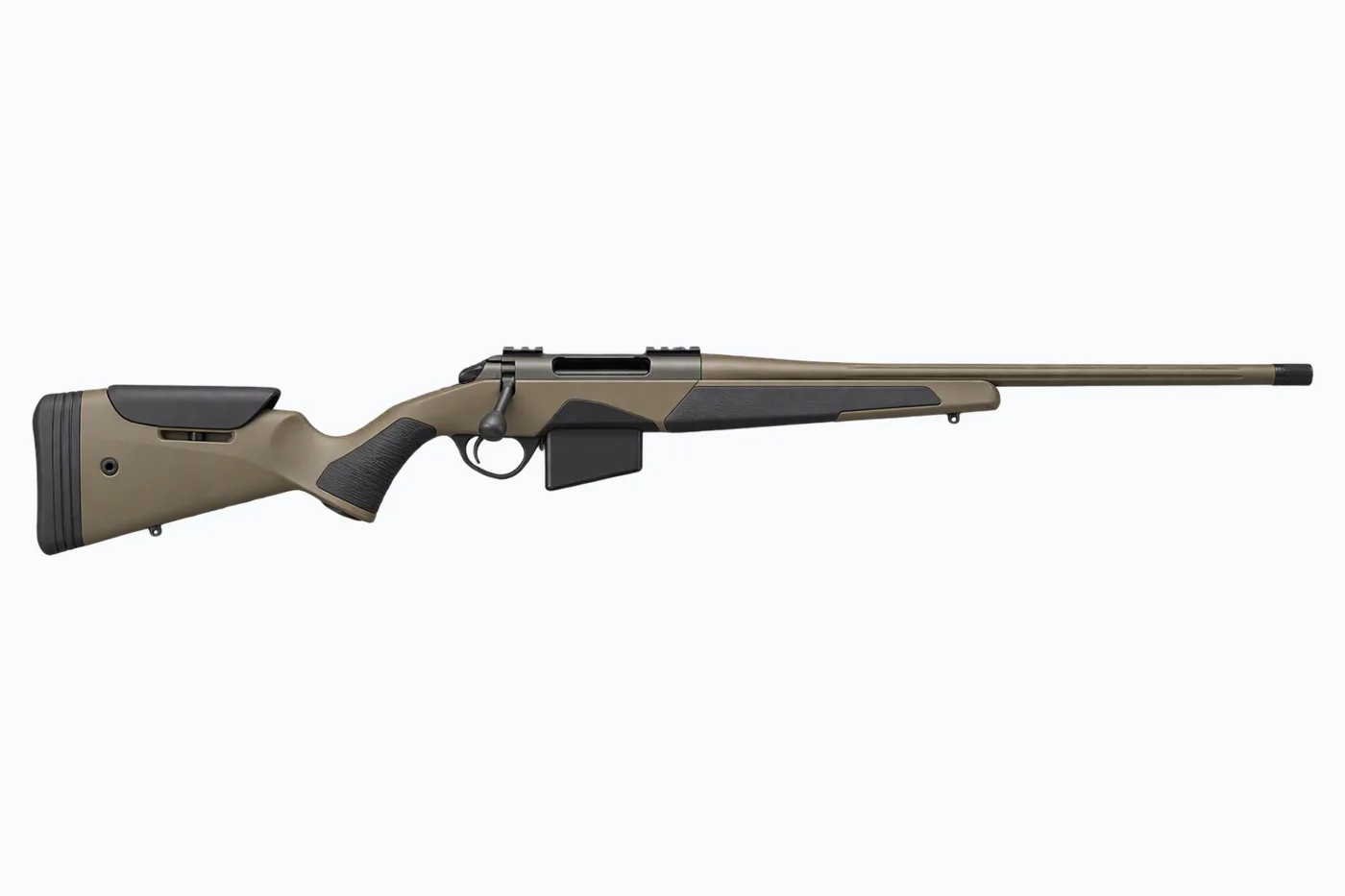
Benelli Lupo Cerakote
Bolt action · .308 Winchester