
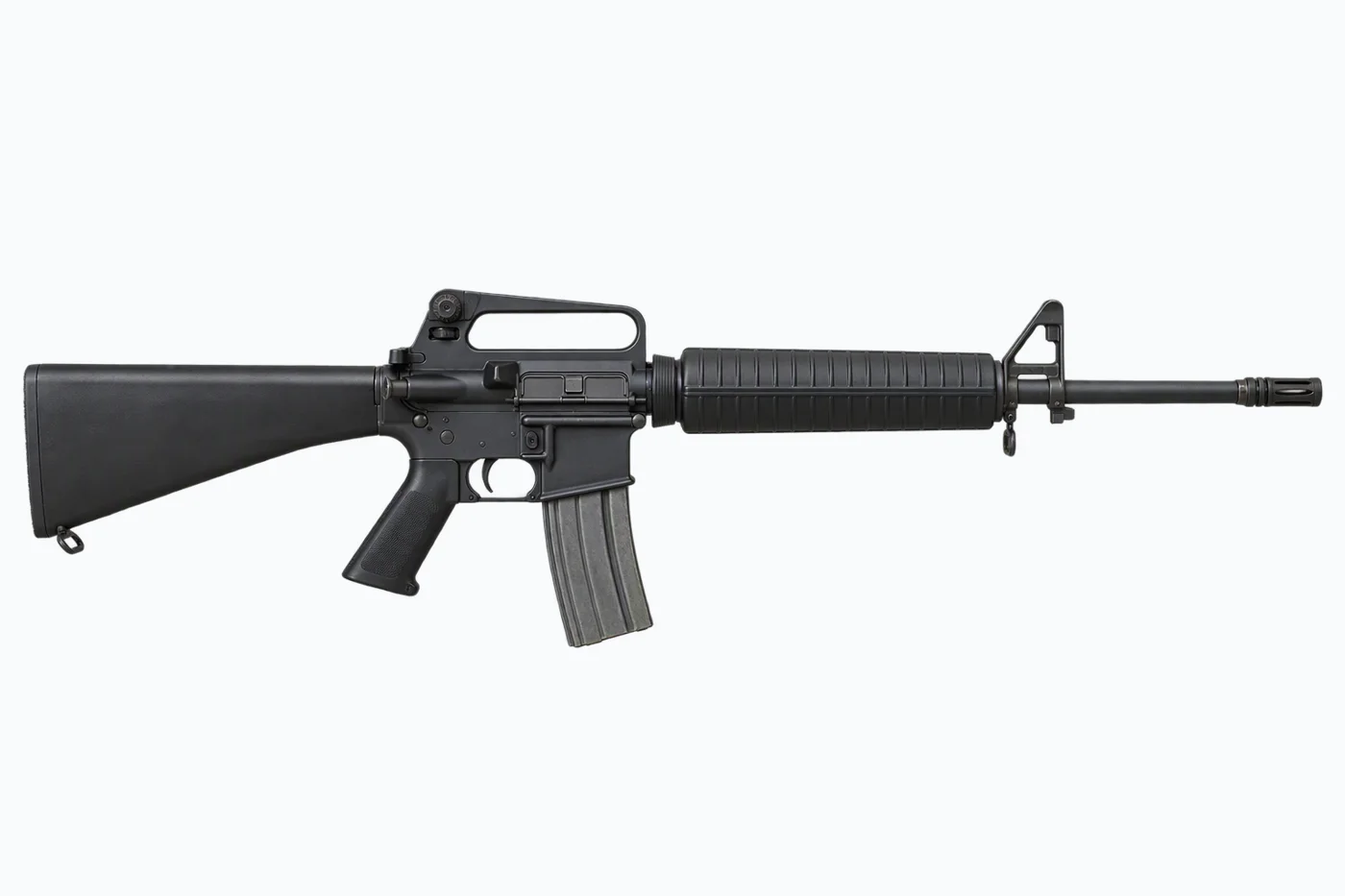
Colt · Rifle
Colt Canada C7
Gas-operated (direct impingement) · 5.56x45mm NATO · introduced 1984
Also known as Diemaco C7, M/95 (Danish designation)
About the Colt Canada C7
The Colt Canada C7 is a select-fire rifle chambered in 5.56x45mm NATO, produced by Colt Canada Corporation since 1984. This Canadian-manufactured firearm reflects the engineering traditions and quality standards of its country of origin, designed to meet the demands of both civilian and professional users in a competitive global marketplace. Featuring a 30-round magazine capacity, this rifle offers generous firepower for duty use and home defense. The 20.0-inch barrel maximizes accuracy potential and ballistic performance, making this an excellent choice for target shooting, competition, or field use. At 3300g (116.4 oz), this is a substantial firearm whose weight contributes to reduced felt recoil and enhanced stability during precision shooting. The aluminum alloy frame achieves a notable weight reduction compared to all-steel construction while maintaining the structural rigidity required for safe, reliable operation. This firearm represents its manufacturer's commitment to delivering a well-engineered, reliable product that serves the needs of discerning shooters seeking quality, accuracy, and dependable performance from a proven platform.
When the Canadian Armed Forces sought to replace their aging FN FAL rifles in the early 1980s, they chose the AR-15 platform but insisted on Canadian manufacturing and specific improvements over the American M16A2. Diemaco, a relatively new firearms manufacturer in Kitchener, Ontario, won the contract and developed the C7 with superior cold-hammer-forged barrels that would become the envy of many NATO forces. The C7's reputation for reliability and accuracy grew during Canadian deployments to Afghanistan, where harsh desert conditions tested every component. Joint Task Force 2 operators, Canada's elite special forces unit, used C7 variants extensively during their Afghanistan operations starting in December 2001, reportedly killing 115 Taliban or Al-Qaeda fighters and capturing 107 Taliban leaders in their first six months. The rifle's superior barrel life and consistent accuracy impressed other NATO allies, leading to adoption by the Netherlands in 1994 and Denmark in 1995. The C7's full-automatic capability, retained when the U.S. opted for burst-fire only, proved valuable in sustained firefights. European militaries praised the cold-hammer-forged barrels, which maintained accuracy far longer than button-rifled American barrels. The C7 became a symbol of Canadian military engineering excellence, proving that a smaller nation could innovate and improve upon American designs.
Colt Canada C7 specifications
General
- Type
- Rifle
- Action
- Gas-operated (direct impingement)
- Firing mechanism
- Hammer-fired
- Trigger
- Single stage
- Trigger pull
- 3.2 kg (7.0 lb)
- Calibres
- 5.56x45mm NATO
- Magazine capacity
- 30 rounds
- Magazine
- Detachable box magazine
Dimensions
- Barrel length
- 508 mm (20.0 in)
- Overall length
- 1000 mm (39.4 in)
- Weight (empty)
- 3.30 kg (7.28 lb)
- Weight (loaded)
- 3.90 kg (8.60 lb)
Barrel
- Rifling twist
- 1:7 in (178 mm)
- Rifling
- Right hand
- Grooves
- 6
Materials
- Barrel
- Steel
- Receiver / frame
- Aluminum alloy
- Stock
- Polymer
- Finish
- hard_anodized
Performance
- Muzzle velocity (typical)
- 915 m/s (3002 fps)
- Muzzle energy (typical)
- 1670 J (1232 ft·lb)
- Effective range
- 550 m
History
- Introduced
- 1984
- Production status
- In production
- Country of origin
- CA
- Designer
- Eugene Stoner (AR-15 platform), Diemaco (C7 modifications)
Features
- Cold hammer forged barrel
- Chrome lined barrel
- Chrome lined chamber
- Rotating bolt
- Full automatic
- Carry handle
- Fixed stock
- Forward assist
- Dust cover
- Reducing bore diameter
- M4 feed ramps
- Weaver rail
- Brass deflector
Safety
- Manual safety selector
- Half cock notch
The C7's development paralleled the M16A2 program, with a Canadian Forces liaison officer working directly with the United States Marine Corps during the M16A1 Product Improvement Program. The key innovation was Diemaco's cold hammer forging process, which uses CNC-controlled hydraulic hammers applying over 80 metric tons of pressure to compress and draw steel around a hardened mandrel, creating an exceptionally dense barrel with precise bore dimensions and zero variation from end to end. This process also incorporates a slightly reducing bore diameter over the length of the rifling, which improves accuracy and extends barrel life. Destructive testing showed that gas tubes would melt and handguards would catch fire before C7 barrels would lose their shape. The C7 uses a 1:7 inch (178mm) twist rate optimized for heavier NATO 5.56mm ammunition. In 2005, Colt Firearms purchased Diemaco, creating the Colt Canada Corporation brand. The C7A1 variant introduced a flat-top Picatinny rail upper receiver, while the C7A2 added ambidextrous controls, green furniture, and a telescoping stock similar to the C8 carbine. The C7 LSW (Light Support Weapon) variant features a heavy barrel and optical sight for squad automatic weapon roles.
Colt Canada C7 variants
Similar models
Aero Precision M4E1 Pro Rifle
Gas-operated (direct impingement) · 5.56x45mm NATO
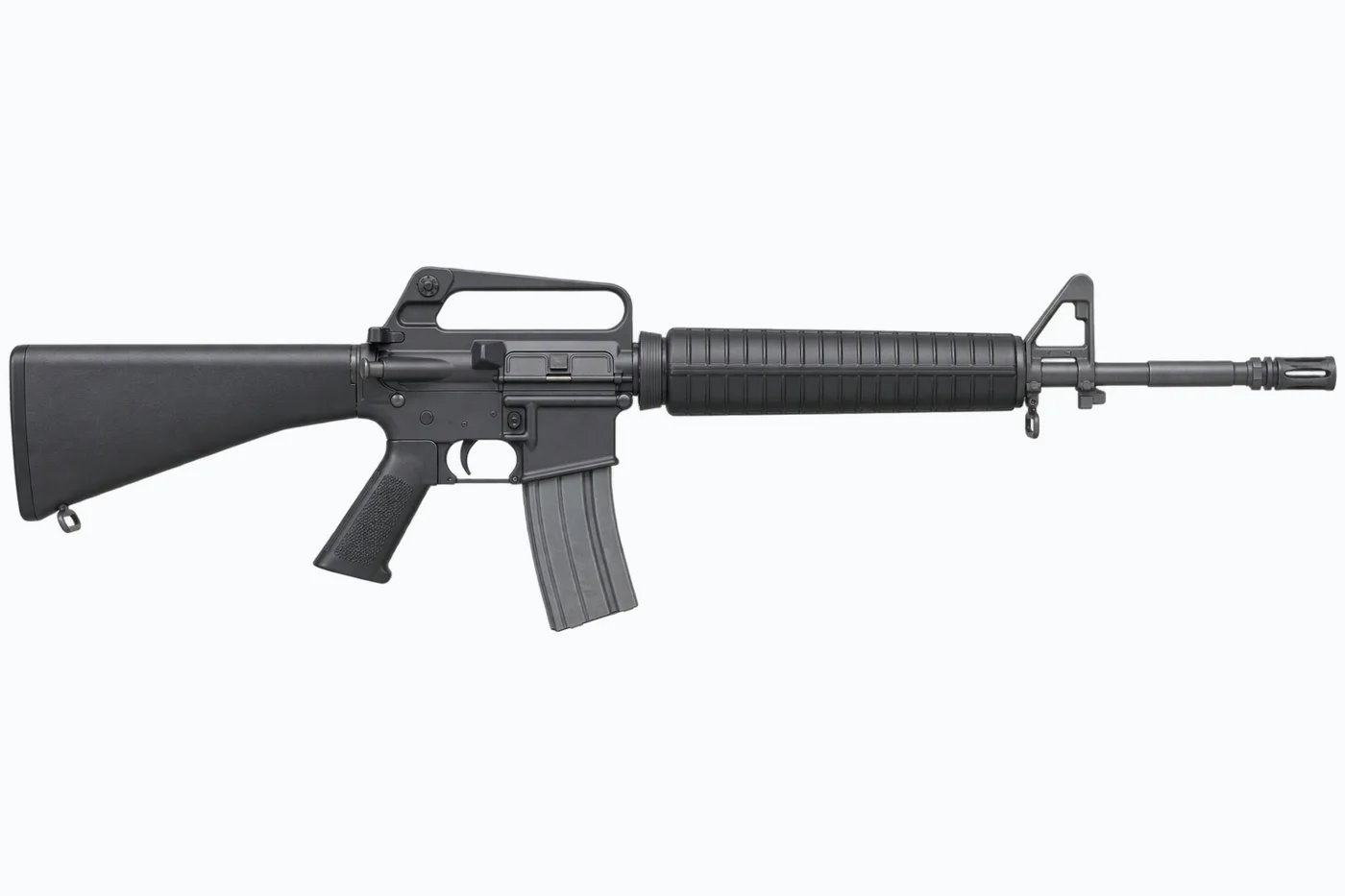
AR-15
Gas operated short stroke · 5.56x45mm NATO
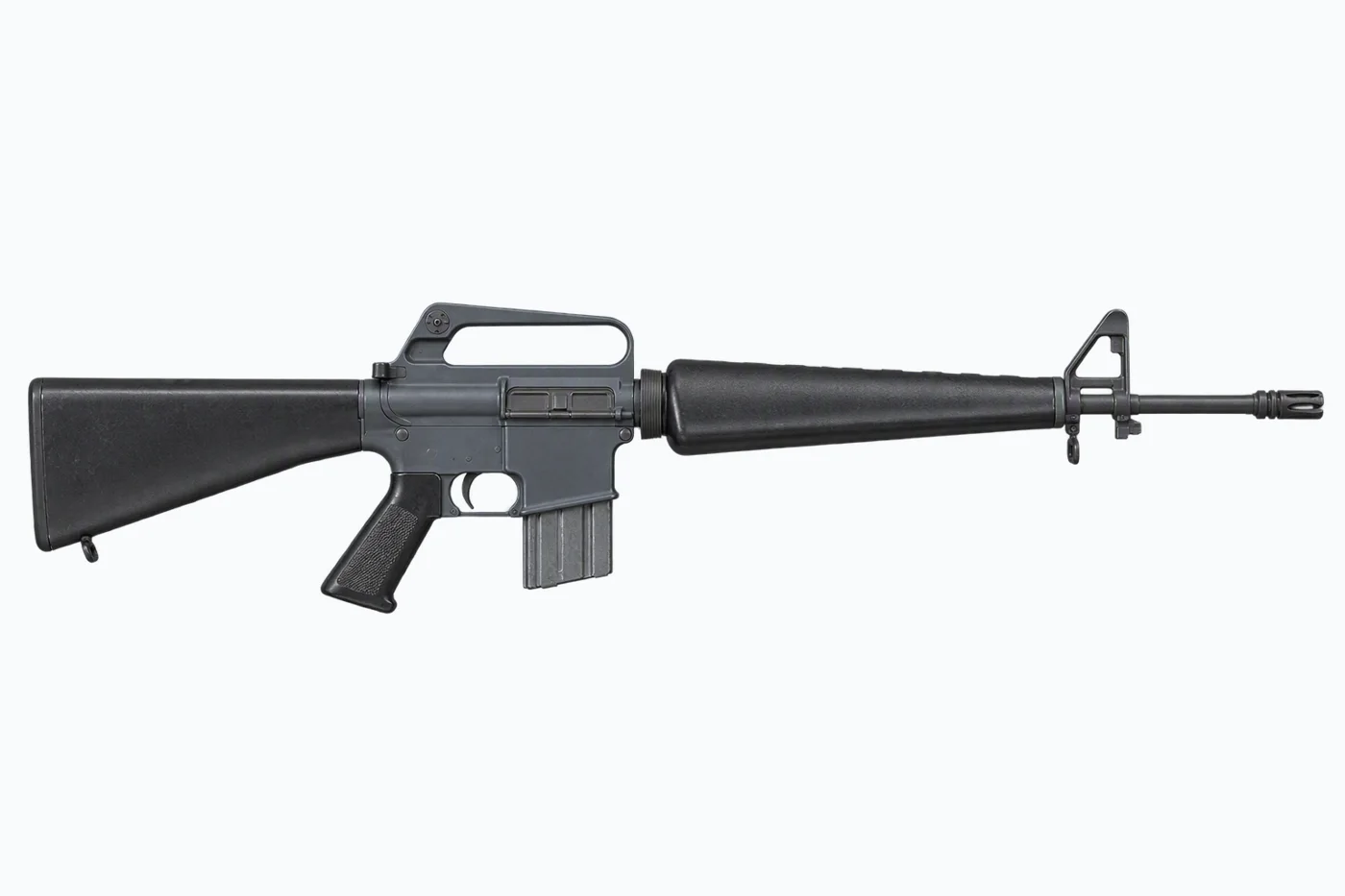
Colt AR-15 Sporter (SP1)
Gas-operated (direct impingement) · .223 Remington
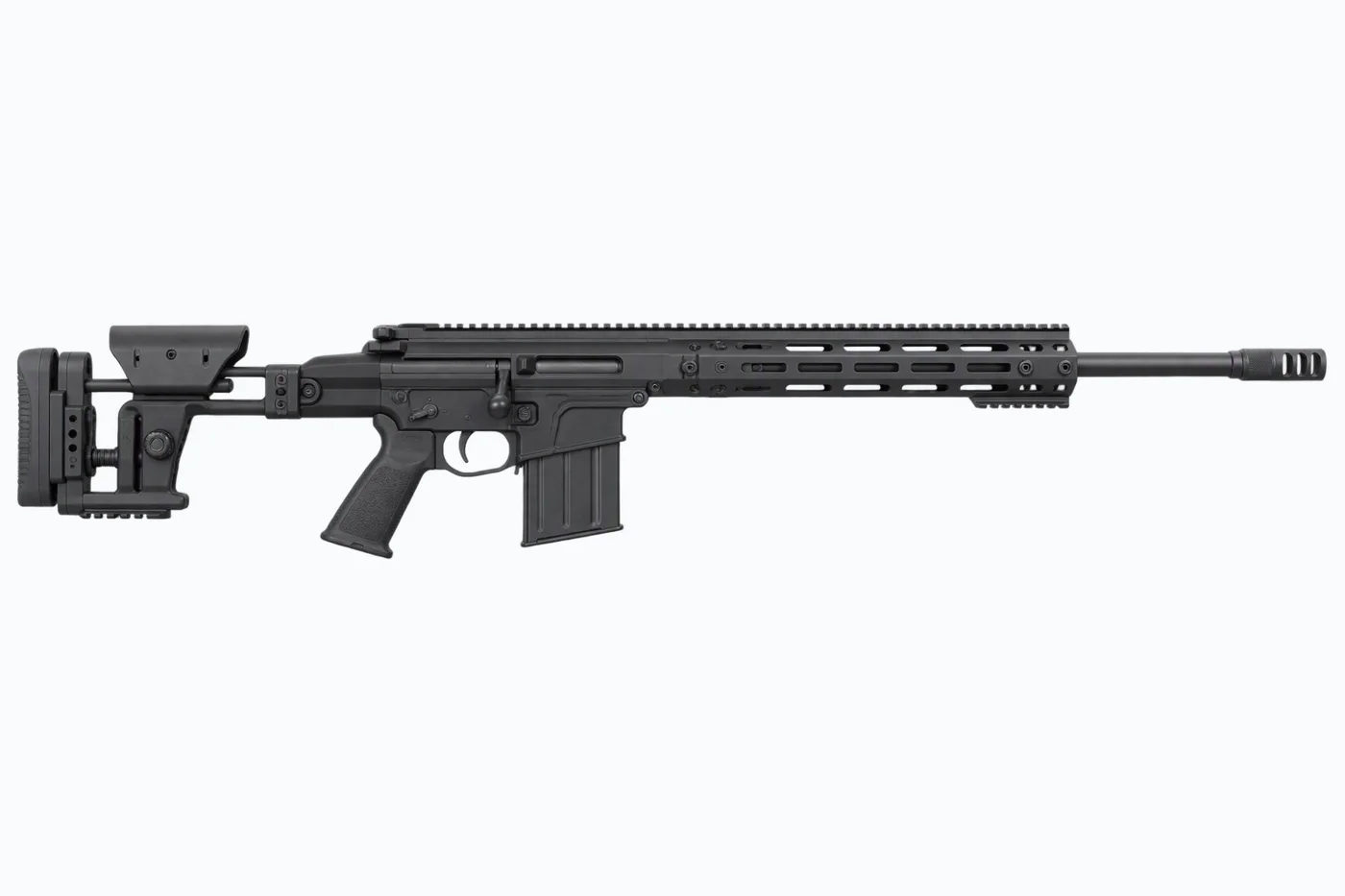
Colt Canada C20 DMR
Gas operated short stroke piston · 7.62x51mm NATO
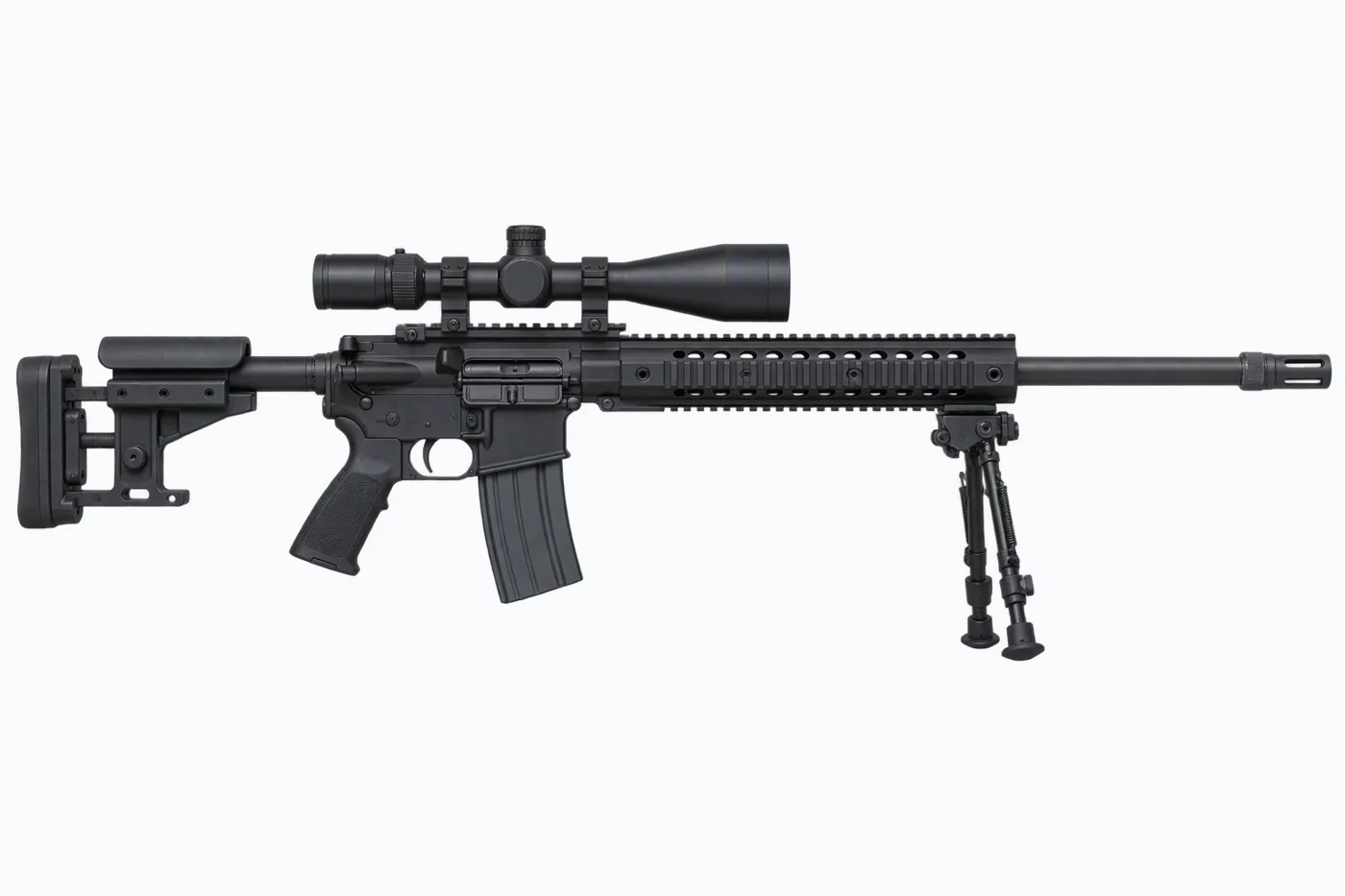
Colt Canada C7CT
Gas-operated (direct impingement) · 5.56x45mm NATO
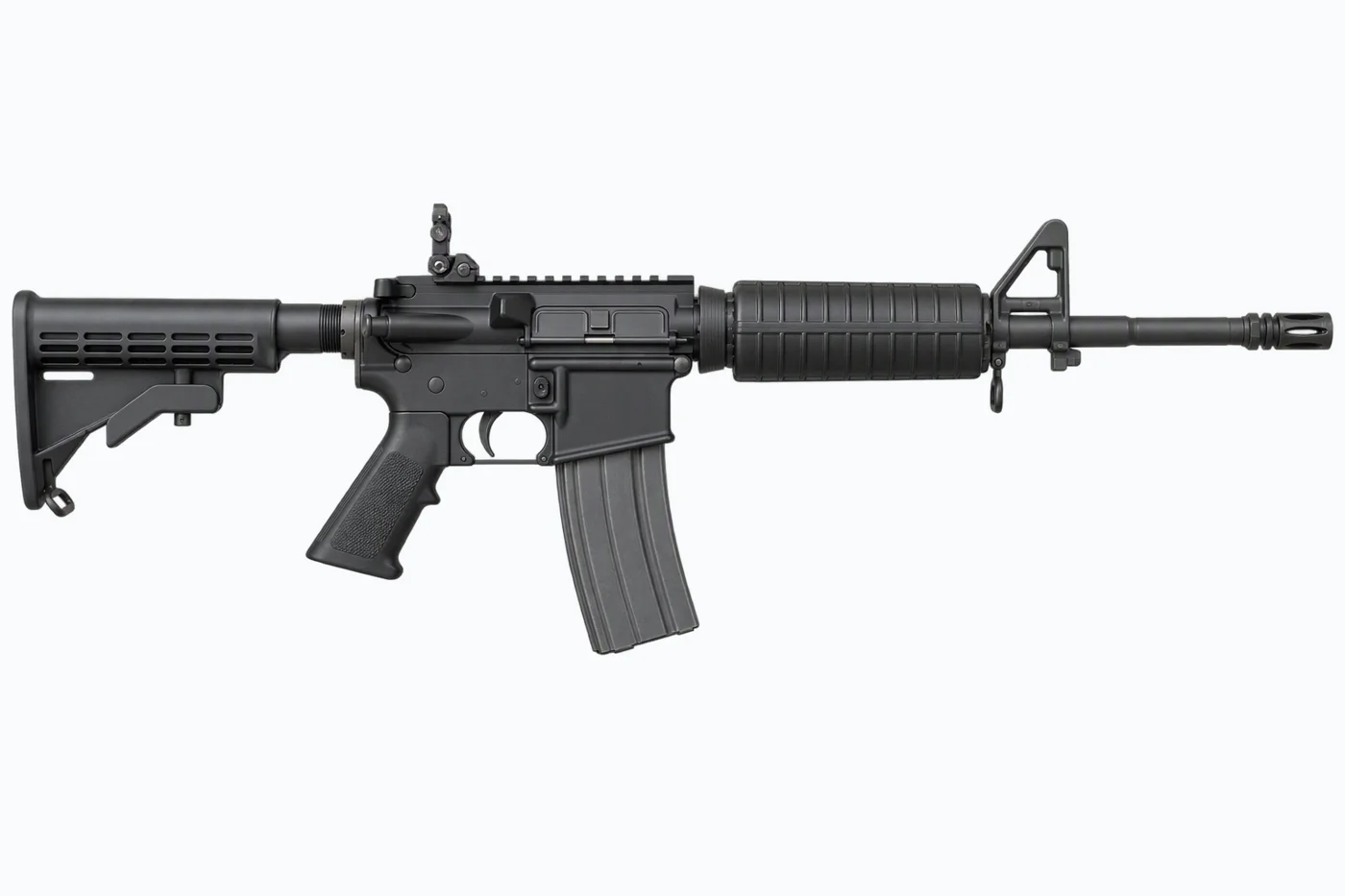
Colt Canada C8
Gas-operated (direct impingement) · 5.56x45mm NATO
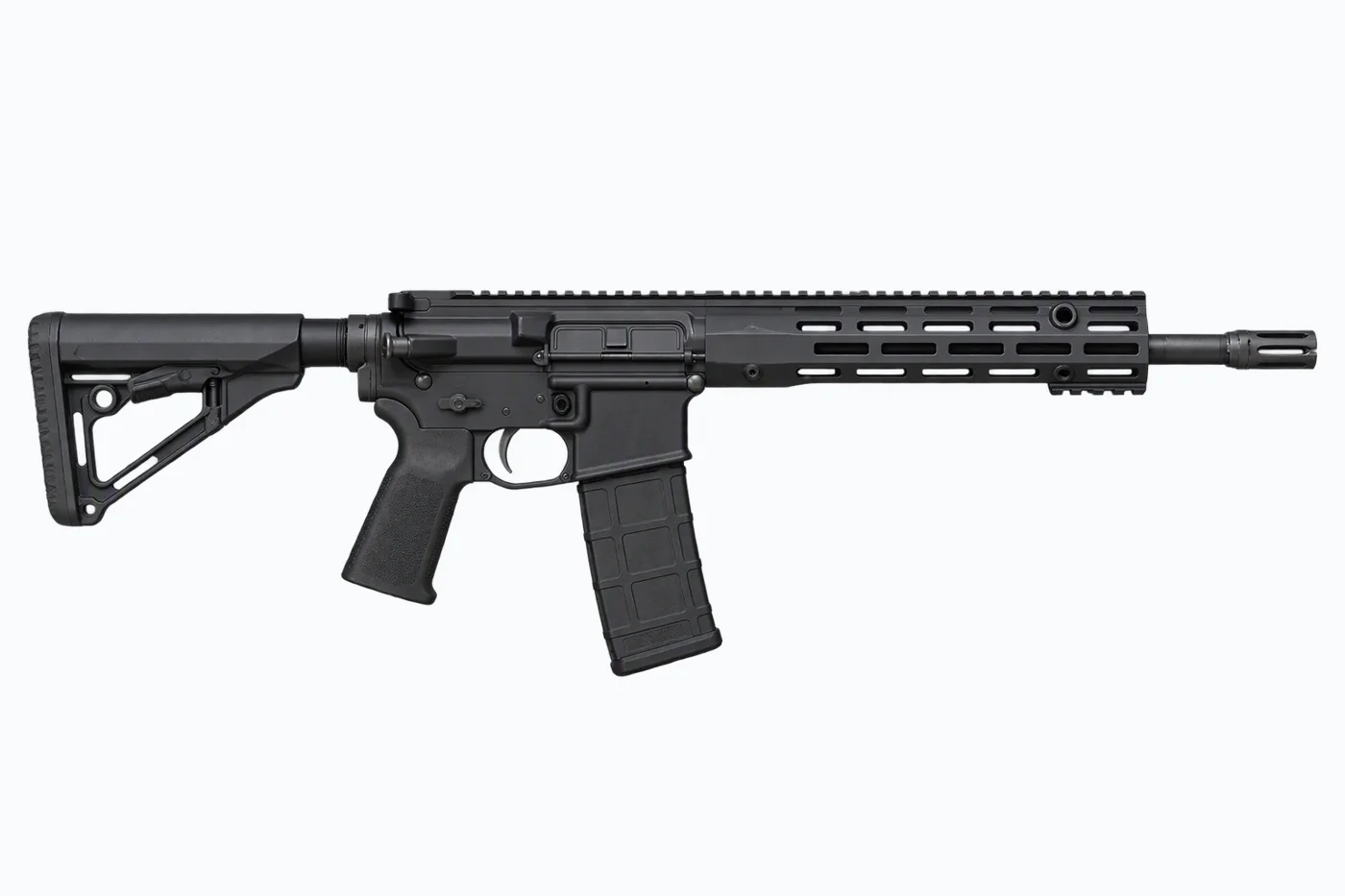
Colt Canada MRR
Gas-operated · 5.56x45mm NATO