
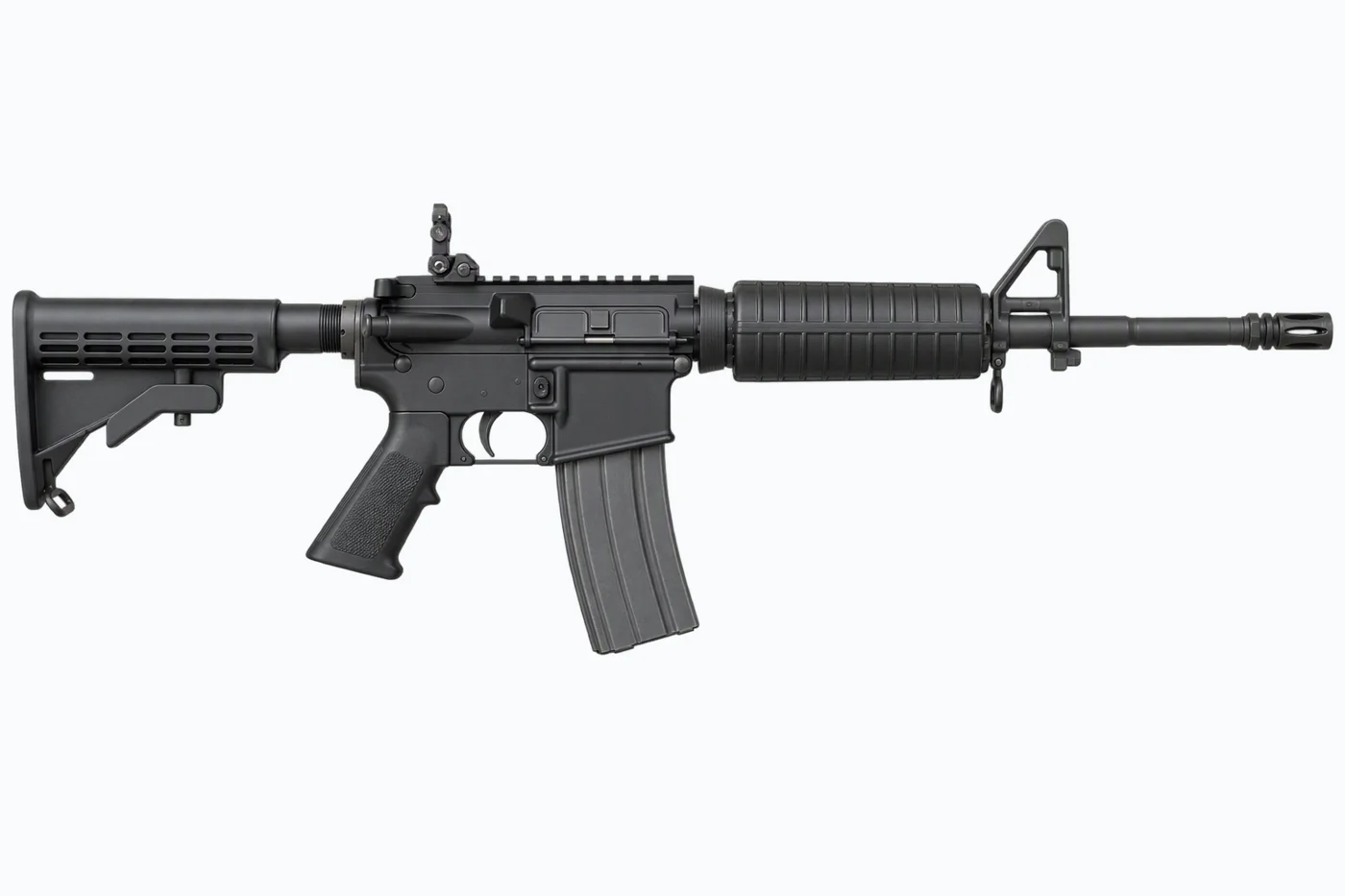
Colt · Carbine
Colt Canada C8
Gas-operated (direct impingement) · 5.56x45mm NATO · introduced 1994
Also known as Diemaco C8, L119A1 (British designation), M/96 (Danish designation)
About the Colt Canada C8
The Colt Canada C8 is a compact assault carbine version of the C7 rifle, corresponding to the American M4 carbine. Introduced in 1994 for Canadian vehicle crews, paratroopers, and special forces, the C8 features a shortened 14.5-inch cold-hammer-forged barrel compared to the C7's 20-inch barrel. The carbine weighs 2.9 kg unloaded and maintains the same superior manufacturing quality as the C7, including chrome-lined barrel and chamber with reducing bore diameter technology. Originally equipped with a carry handle, the C8A1 variant introduced a flat-top upper receiver with Picatinny rail for optics mounting. The C8 features a four-position telescoping stock for length adjustment and retains full-automatic fire capability. Following extensive trials, the C8 was adopted by British Special Forces in 2000 as the L119A1, becoming the standard-issue rifle for the SAS and Royal Marines. The C8 has proven extremely popular with special operations units worldwide due to its compact size, reliability, and the legendary durability of Colt Canada's cold-hammer-forged barrels.
The C8 carbine gained legendary status among special operations units worldwide, starting with its combat debut in Afghanistan with Canadian JTF2 operators in December 2001. When approximately 40 JTF2 soldiers deployed to southern Afghanistan as part of Task Force K-Bar, their C8 carbines proved devastatingly effective in the mountainous terrain, contributing to 115 enemy fighters killed and 107 Taliban leaders captured in just six months. British Special Air Service observers were impressed enough to conduct trials, leading to adoption of the C8SFW as the L119A1 in 2000. The decision by elite UK forces to choose a Canadian carbine over American M4s raised eyebrows in defense circles, but SAS operators praised the C8's superior barrel life and consistent accuracy during extended operations. In 2006, JTF2 assisted British SAS during the successful rescue of four Christian Peace Activists in Iraq, with C8 carbines providing reliable firepower during the operation. Royal Marines adopted the C8 as their standard rifle, preferring it over the standard issue L85A2. The Netherlands, Denmark, and Norwegian special forces followed suit. The C8's reputation was built on the same cold-hammer-forged barrel technology that made the C7 famous-barrels that could outlast gas tubes and handguards under sustained automatic fire. Danish tankers and logisticians appreciated the compact size, designating it M/96. The C8 became proof that Canada's small arms manufacturing could compete with and exceed larger nations' offerings.
Colt Canada C8 specifications
General
- Type
- Carbine
- Action
- Gas-operated (direct impingement)
- Firing mechanism
- Hammer-fired
- Trigger
- Single stage
- Trigger pull
- 3.2 kg (7.0 lb)
- Calibres
- 5.56x45mm NATO
- Magazine capacity
- 30 rounds
- Magazine
- Detachable box magazine
Dimensions
- Barrel length
- 368 mm (14.5 in)
- Overall length
- 840 mm (33.1 in)
- Folded length
- 757 mm (29.8 in)
- Weight (empty)
- 2.90 kg (6.39 lb)
- Weight (loaded)
- 3.47 kg (7.65 lb)
Barrel
- Rifling twist
- 1:7 in (178 mm)
- Rifling
- Right hand
- Grooves
- 6
Materials
- Barrel
- Steel
- Receiver / frame
- Aluminum alloy
- Stock
- Polymer
- Finish
- hard_anodized
Performance
- Muzzle velocity (typical)
- 880 m/s (2887 fps)
- Muzzle energy (typical)
- 1550 J (1143 ft·lb)
- Effective range
- 500 m
History
- Introduced
- 1994
- Production status
- In production
- Country of origin
- CA
- Designer
- Eugene Stoner (AR-15 platform), Diemaco (C8 modifications)
Features
- Cold hammer forged barrel
- Chrome lined barrel
- Chrome lined chamber
- Rotating bolt
- Full automatic
- Telescoping stock
- Flat top receiver
- Picatinny rail
- Forward assist
- Dust cover
- Reducing bore diameter
- M4 feed ramps
- Four position stock
- Ambidextrous controls
- Brass deflector
Safety
- Manual safety selector
- Half cock notch
The C8 was originally developed for Canadian military personnel requiring a more compact weapon than the full-length C7, including vehicle crews, tankers, and airborne forces. However, its compact size and reliability quickly made it the preferred choice for special operations units. The C8A1 variant introduced the flat-top receiver and became the standard for Royal Netherlands Air Force and specialist units within Dutch and British militaries. The British designated it L119A1 after adoption in 2000. The C8SFW (Special Forces Weapon) variant features a 15.7-inch barrel and was specifically designed for UK Special Forces requirements. The C8 FTHB (Flat Top Heavy Barrel) offers enhanced sustained fire capability. The C8A3 combines the FTHB barrel with C7A2 improvements including green furniture, ambidextrous fire selector, magazine catch, and extended ambidextrous charging handle. The C8 IUR (Individual Upgrade Rifle) and C8 MRR (Modular Rail Rifle) represent the latest evolution with free-floating handguards and extensive rail systems. Denmark ordered 26,000 C8 MRR carbines in 2025 to modernize their infantry arsenal. The C8's rate of fire ranges from 750-950 rounds per minute. Like the C7, the C8 uses a 1:7 inch (178mm) rifling twist rate for optimal performance with NATO standard ammunition.
This is a variant of the Colt Canada C7.
Similar models
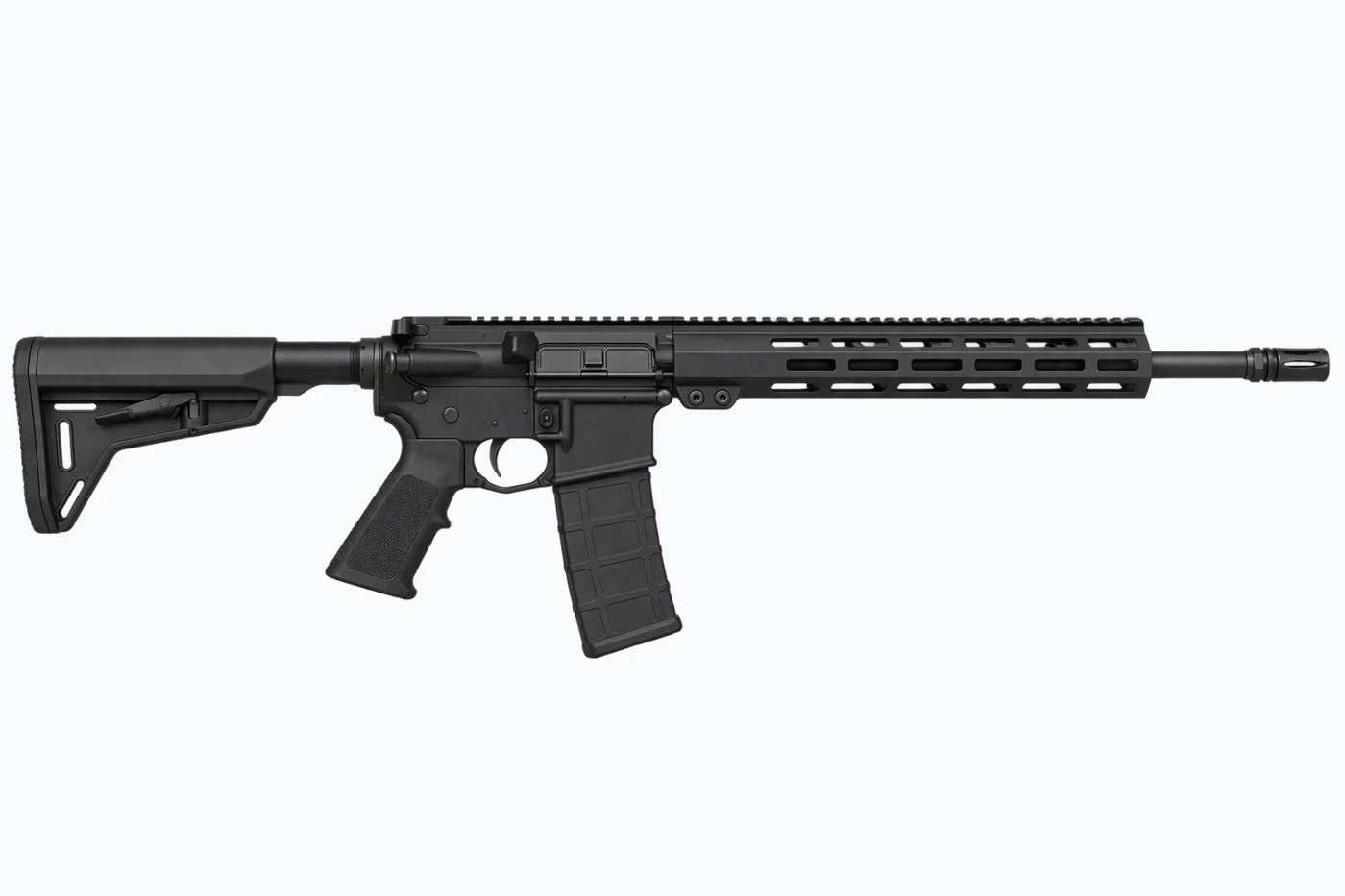
Aero Precision M4E1 Complete
Gas-operated (direct impingement) · 5.56x45mm NATO
Aero Precision M4E1 Spartan
Gas-operated (direct impingement) · 5.56x45mm NATO
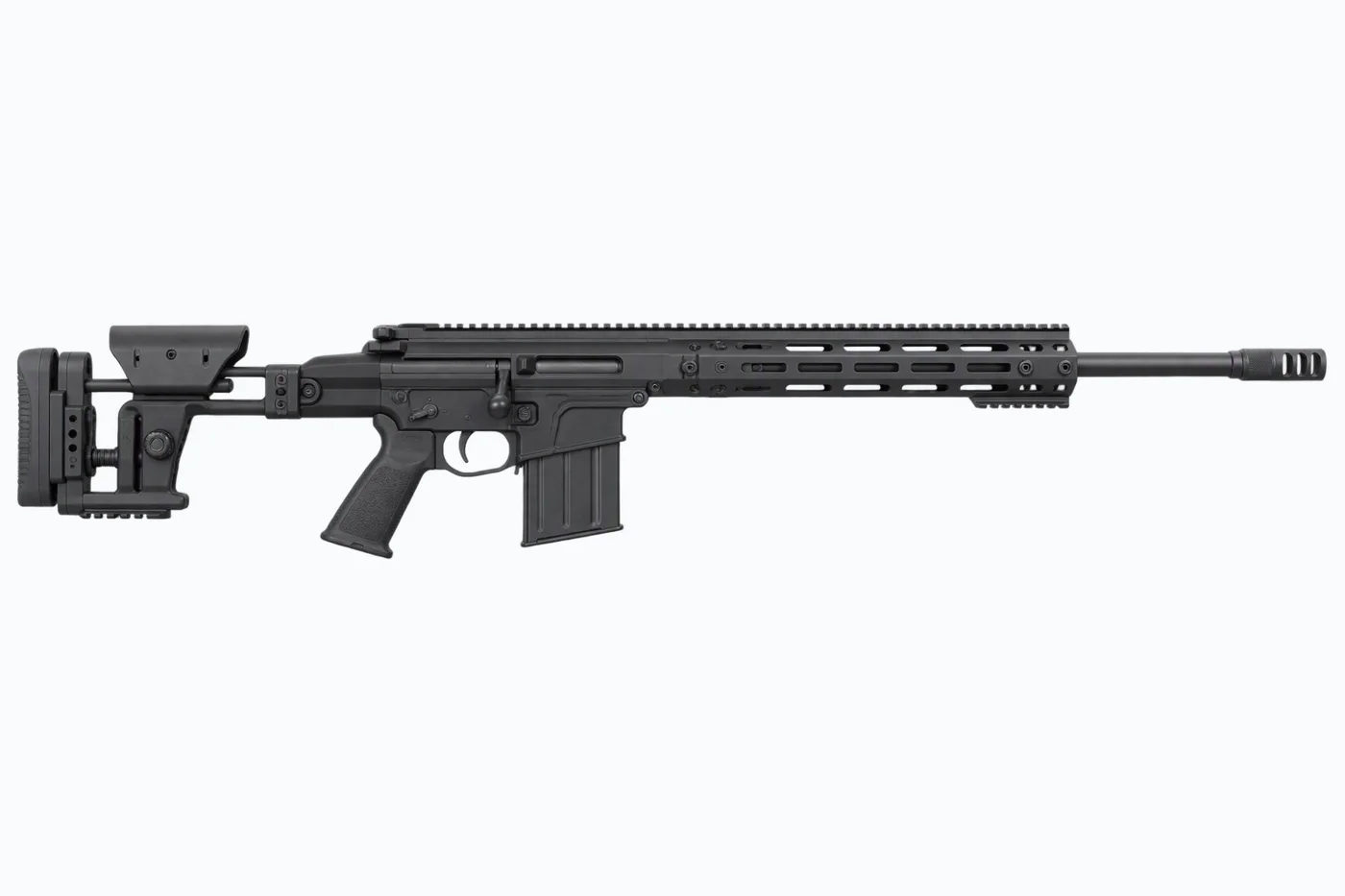
Colt Canada C20 DMR
Gas operated short stroke piston · 7.62x51mm NATO
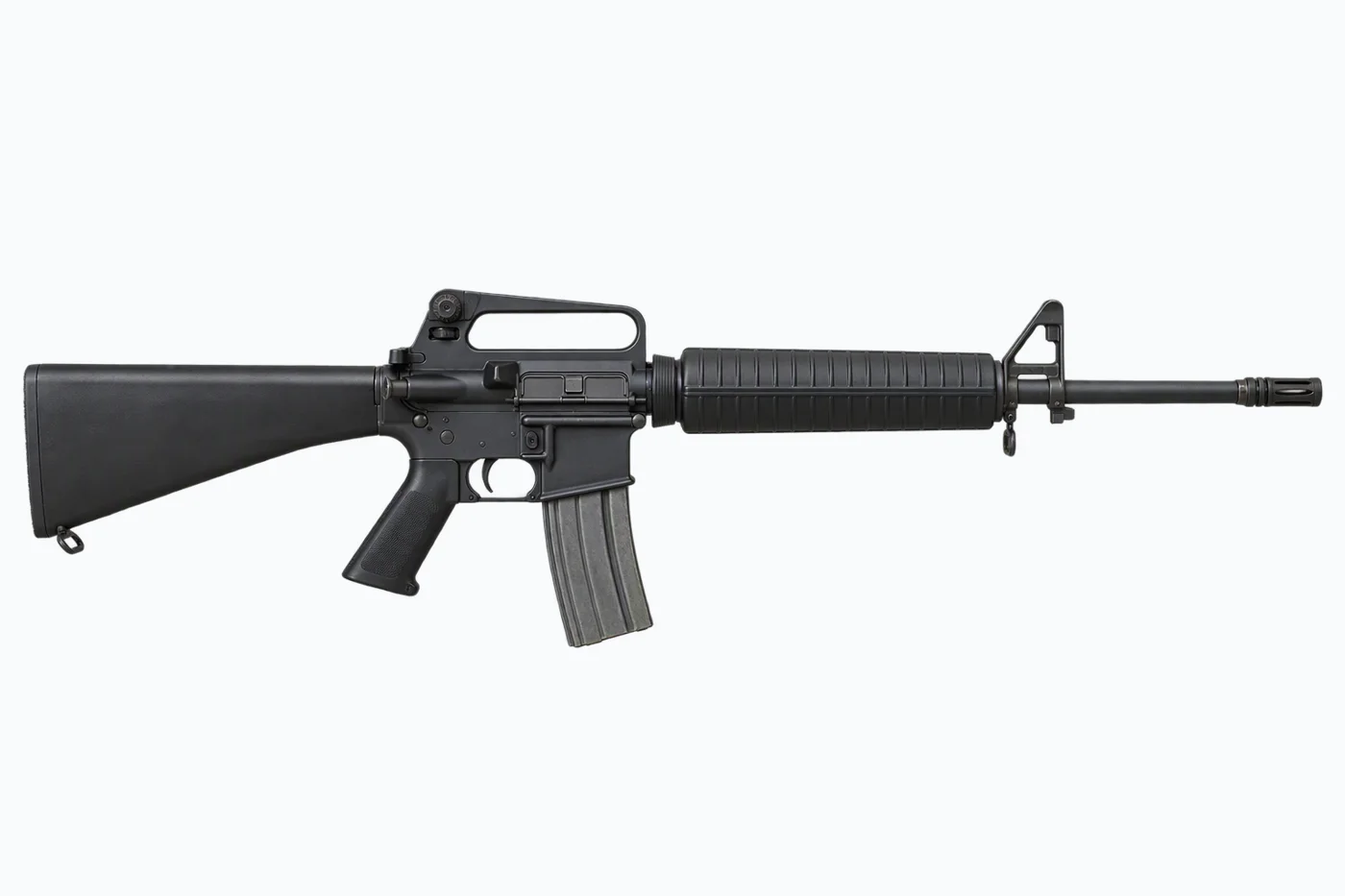
Colt Canada C7
Gas-operated (direct impingement) · 5.56x45mm NATO
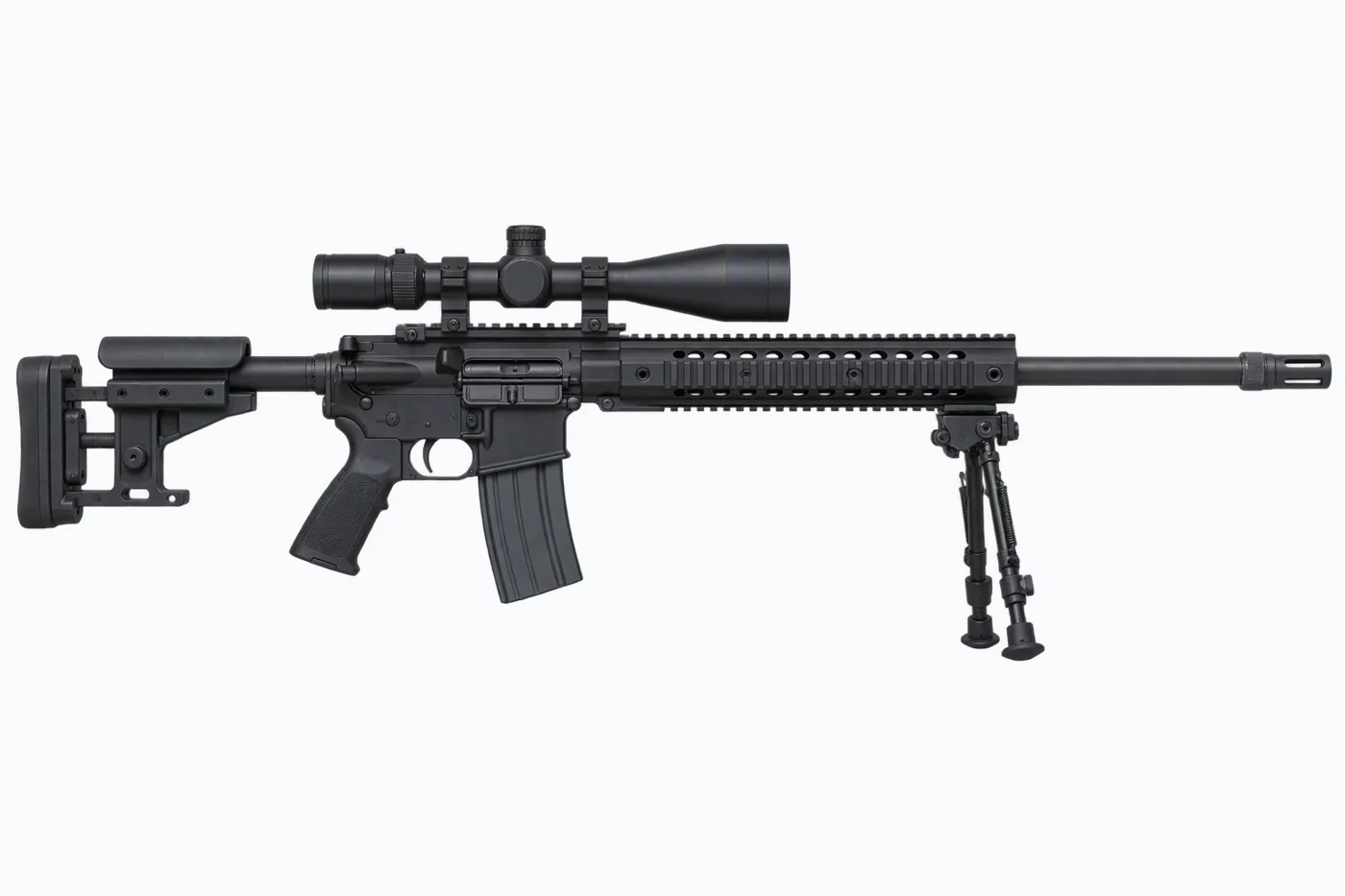
Colt Canada C7CT
Gas-operated (direct impingement) · 5.56x45mm NATO
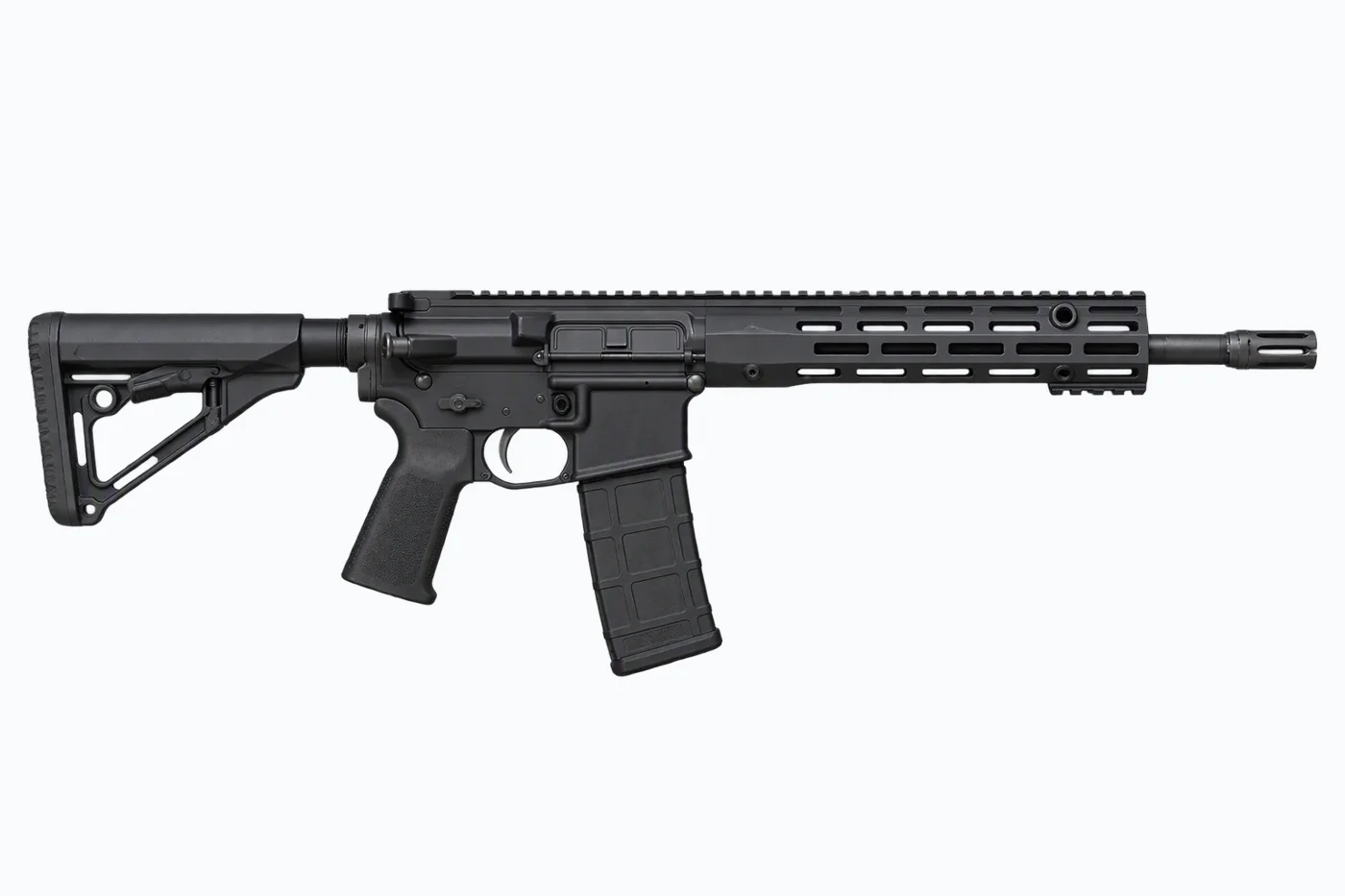
Colt Canada MRR
Gas-operated · 5.56x45mm NATO