
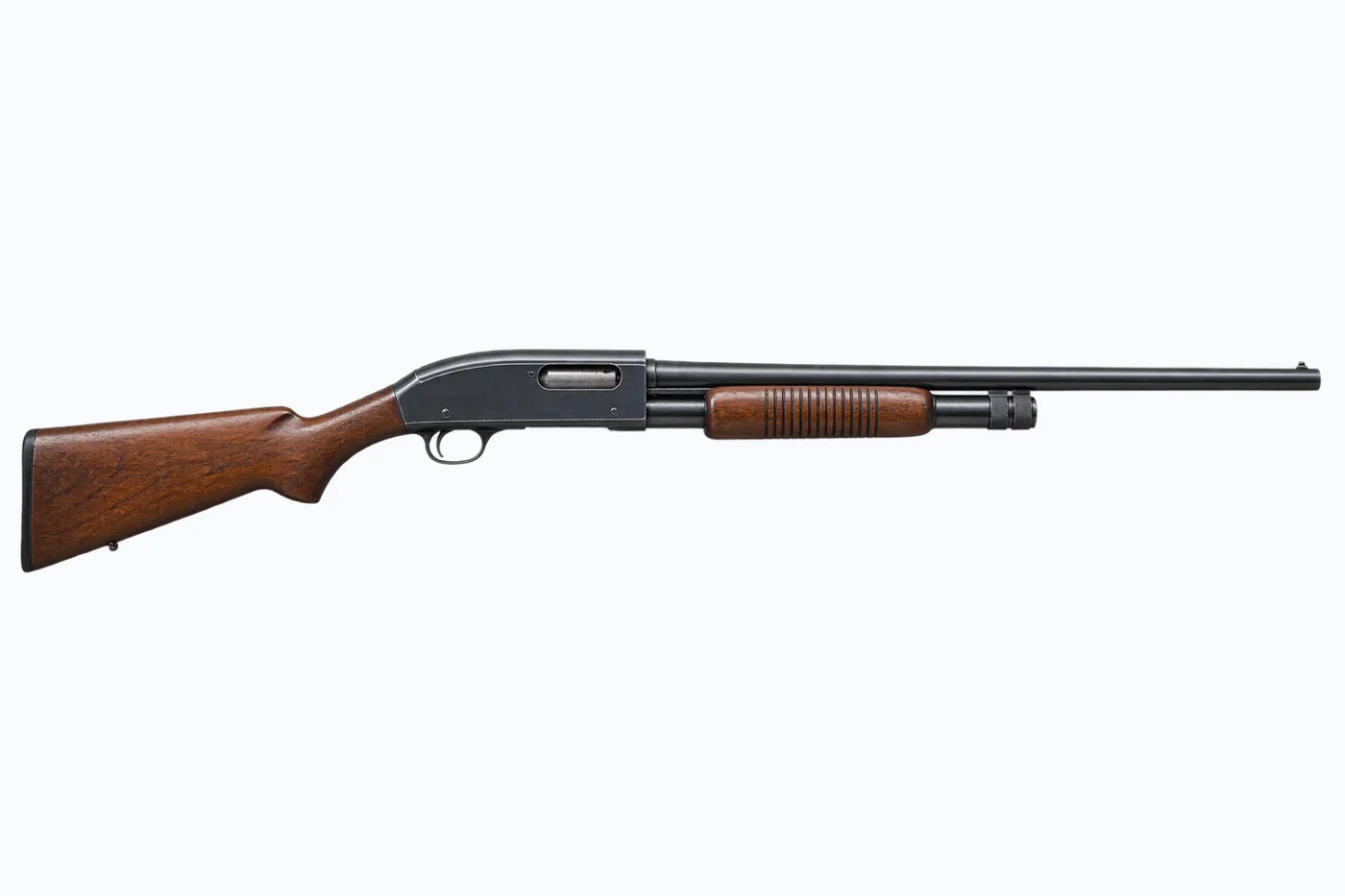
E. · Shotgun
Remington Model 11
Long recoil · 12 Gauge · introduced 1905
Also known as Remington Autoloading Shotgun, Model 11 Autoloader
About the Remington Model 11
The Remington Model 11 was the first successful semi-automatic shotgun manufactured in the United States. Produced under license from John Browning, it was based on his long-recoil operated Auto-5 design and manufactured by Remington Arms from 1905 to 1947. The Model 11 featured a distinctive humpback receiver profile that lowered the bore axis and reduced muzzle jump. Its long-recoil action used a friction ring system around the magazine tube to regulate cycling across different ammunition loads. Available in 12, 16, and 20 gauge, the shotgun was offered in eight grades ranging from the standard 11A to the premium 11F Premier. Unlike the Browning Auto-5, the Remington variant lacked a magazine cutoff lever. The Model 11 saw extensive civilian use as a sporting and hunting shotgun and was widely adopted by law enforcement in its Riot and Police Special configurations. During World War II, the U.S. military procured large quantities for both combat and training use, with modified examples mounted in mock turrets for aerial gunnery instruction simulating the twin .50-caliber dorsal turrets of B-17 and B-24 bombers. Approximately 850,000 units were produced over its 42-year production run, making it one of the most commercially successful shotguns of the early 20th century.
John Browning originally offered his semi-automatic shotgun design to Winchester, but when they refused his royalty terms, he walked across the street to Remington. The president of Remington died of a heart attack while Browning waited in the lobby to pitch the design. Browning ultimately licensed the gun to FN in Belgium, and Remington later secured domestic manufacturing rights, producing the Model 11 as the first American-made autoloading shotgun.
Remington Model 11 specifications
General
- Type
- Shotgun
- Action
- Long recoil
- Firing mechanism
- Internal hammer
- Trigger
- Single action
- Calibres
- 12 Gauge, 16 Gauge, 20 Gauge
- Magazine capacity
- 4 rounds
- Magazine
- Tubular
Dimensions
- Barrel length
- 711 mm (28.0 in)
- Overall length
- 1219 mm (48.0 in)
- Weight (empty)
- 3.52 kg (7.75 lb)
- Weight (loaded)
- 3.67 kg (8.10 lb)
Barrel
- Rifling
- Smoothbore
- Grooves
- 6
Materials
- Barrel
- Steel
- Receiver / frame
- Steel
- Stock
- Walnut
- Finish
- blued
Performance
- Muzzle velocity (typical)
- 400 m/s (1312 fps)
- Muzzle energy (typical)
- 2560 J (1888 ft·lb)
- Effective range
- 40 m
History
- Introduced
- 1905
- Discontinued
- 1947
- Production status
- Discontinued
- Country of origin
- US
- Designer
- John Moses Browning
Available calibres
Features
- Humpback receiver
- Long recoil operation
- Friction ring system
- Take down design
- Side ejection
- Hammerless action
Safety
- Cross bolt safety
The Remington Model 11 differed from the Browning Auto-5 primarily in the absence of the magazine cutoff lever. Remington also produced approximately 65,000 Model 11 shotguns for Browning during WWII when Belgian FN production was halted by the German occupation. The friction ring system required proper adjustment for different load weights to ensure reliable cycling. The Model 11 was succeeded by the streamlined Remington Model 11-48 in 1949, which eliminated the humpback receiver profile.
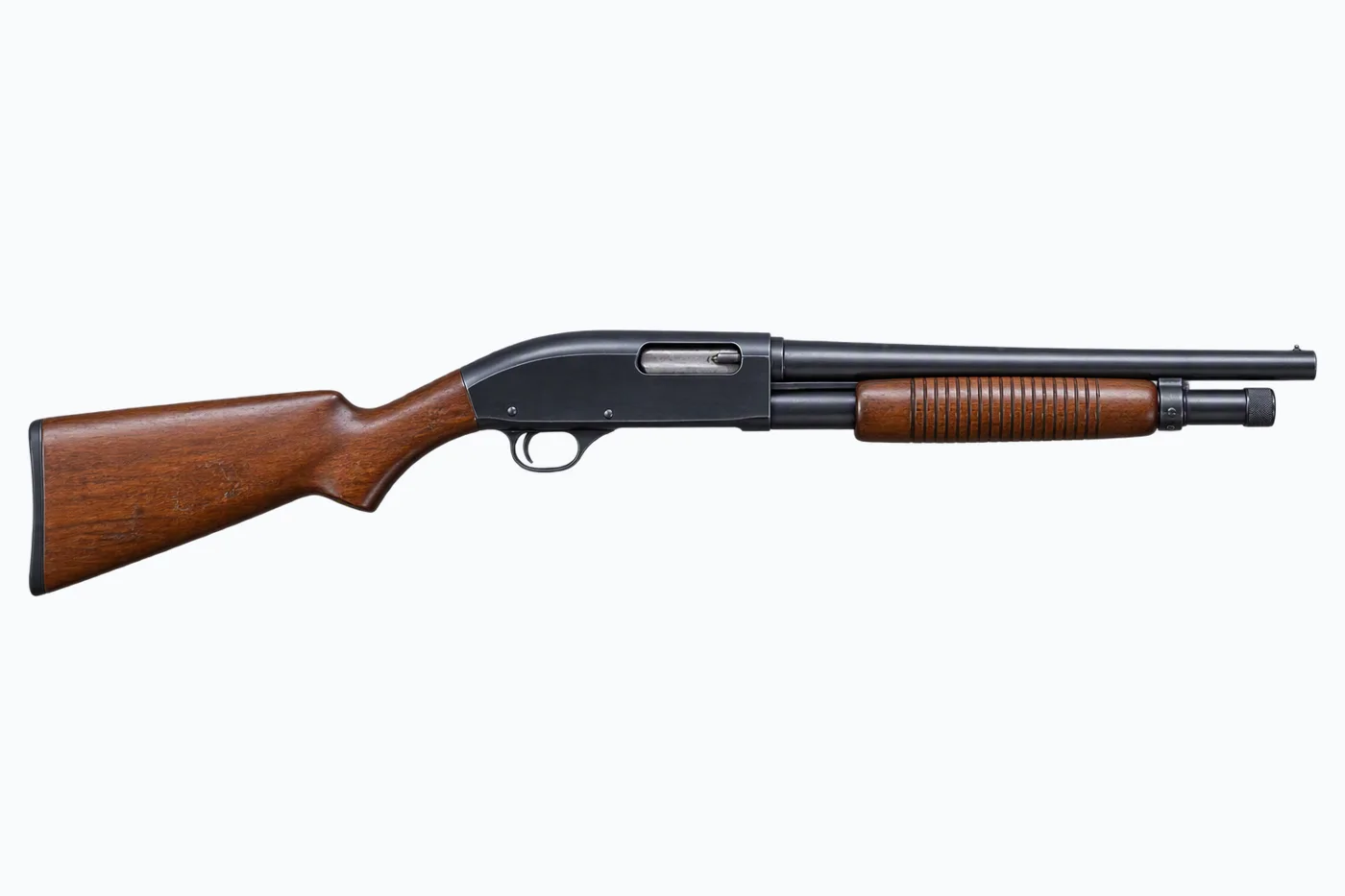
Remington Model 11 variants
Similar models
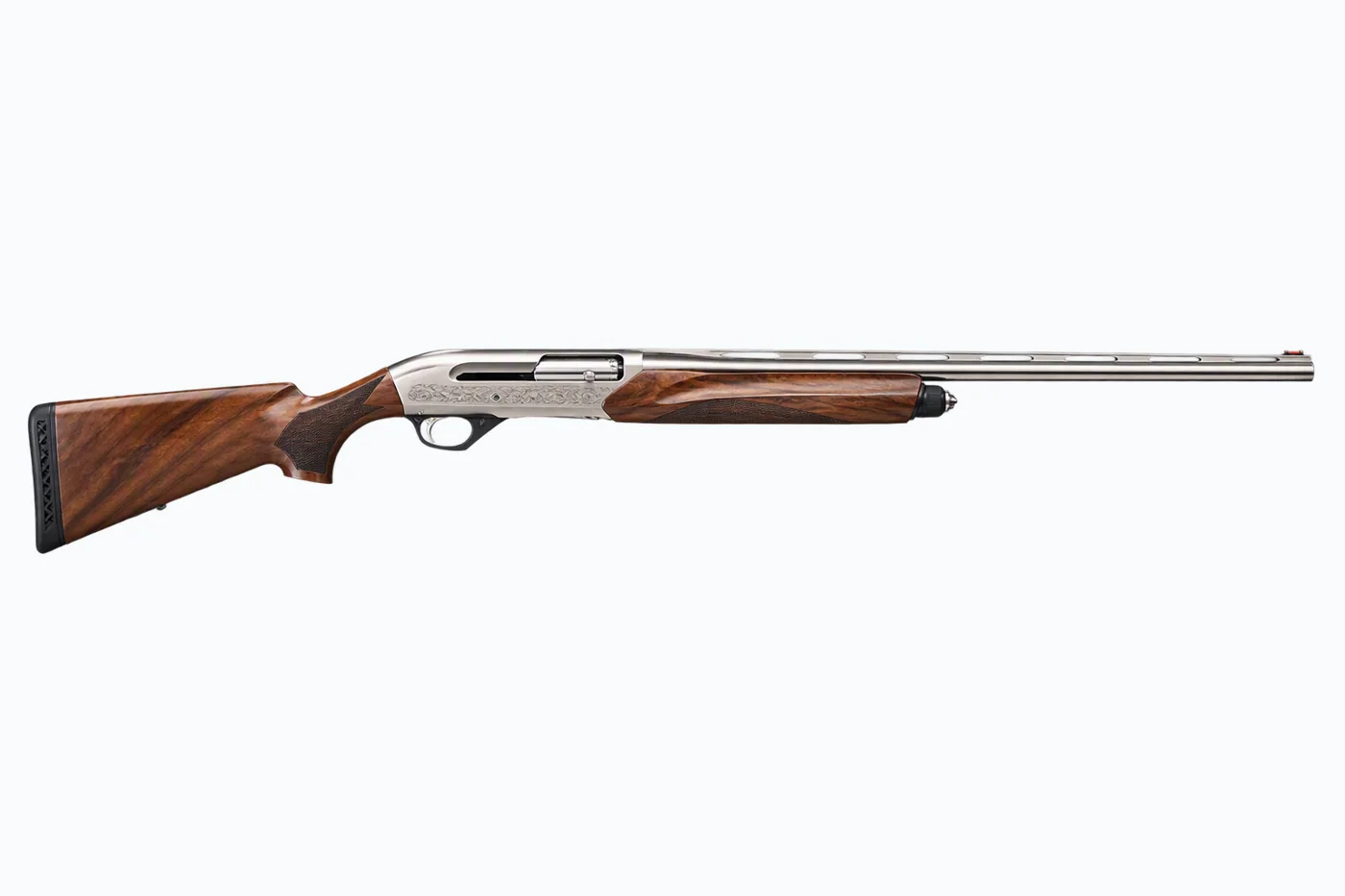
Benelli ETHOS
Inertia operated · 12 Gauge
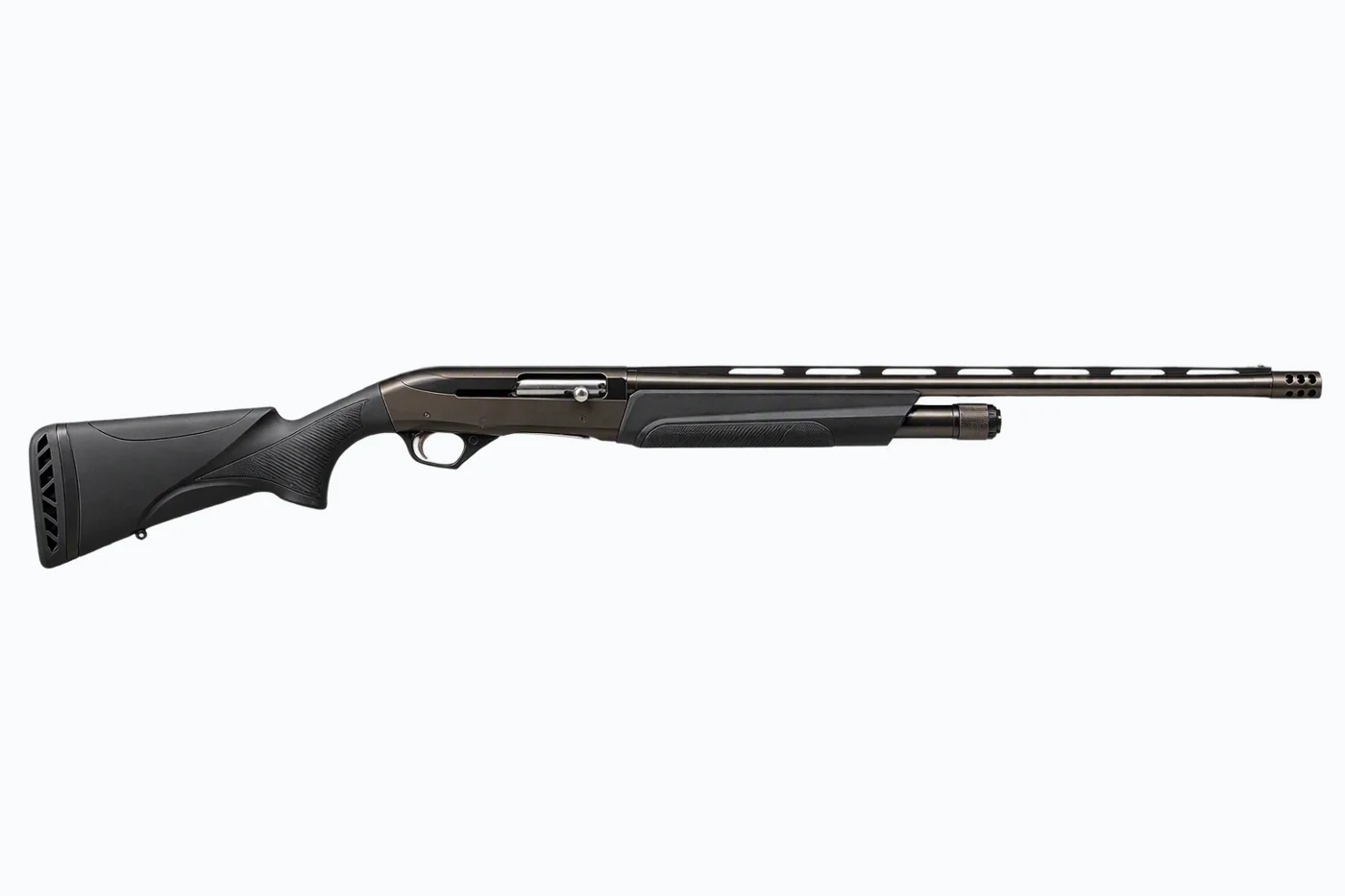
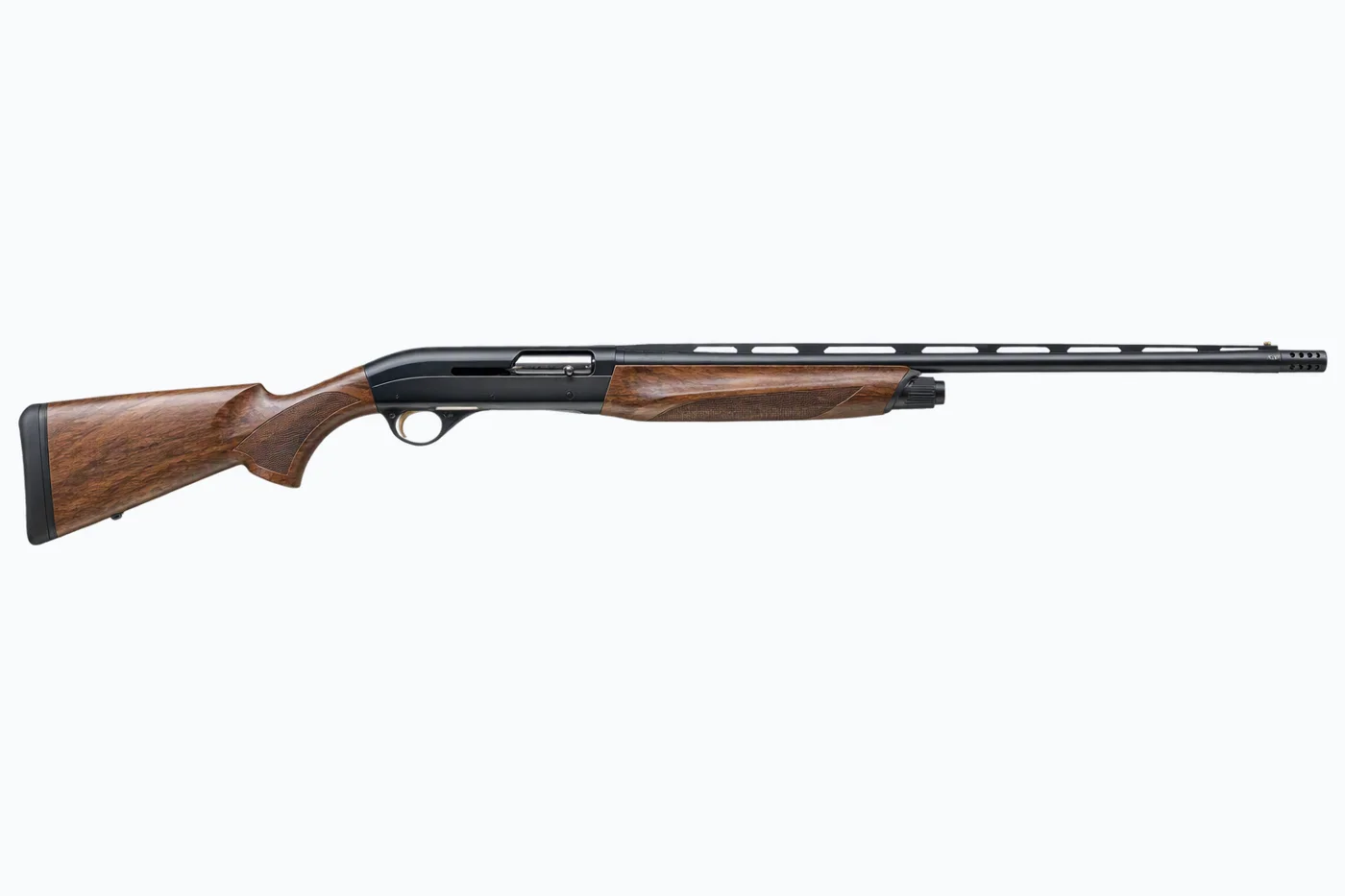
Benelli Ethos Cordoba
Recoil operated · 12 Gauge
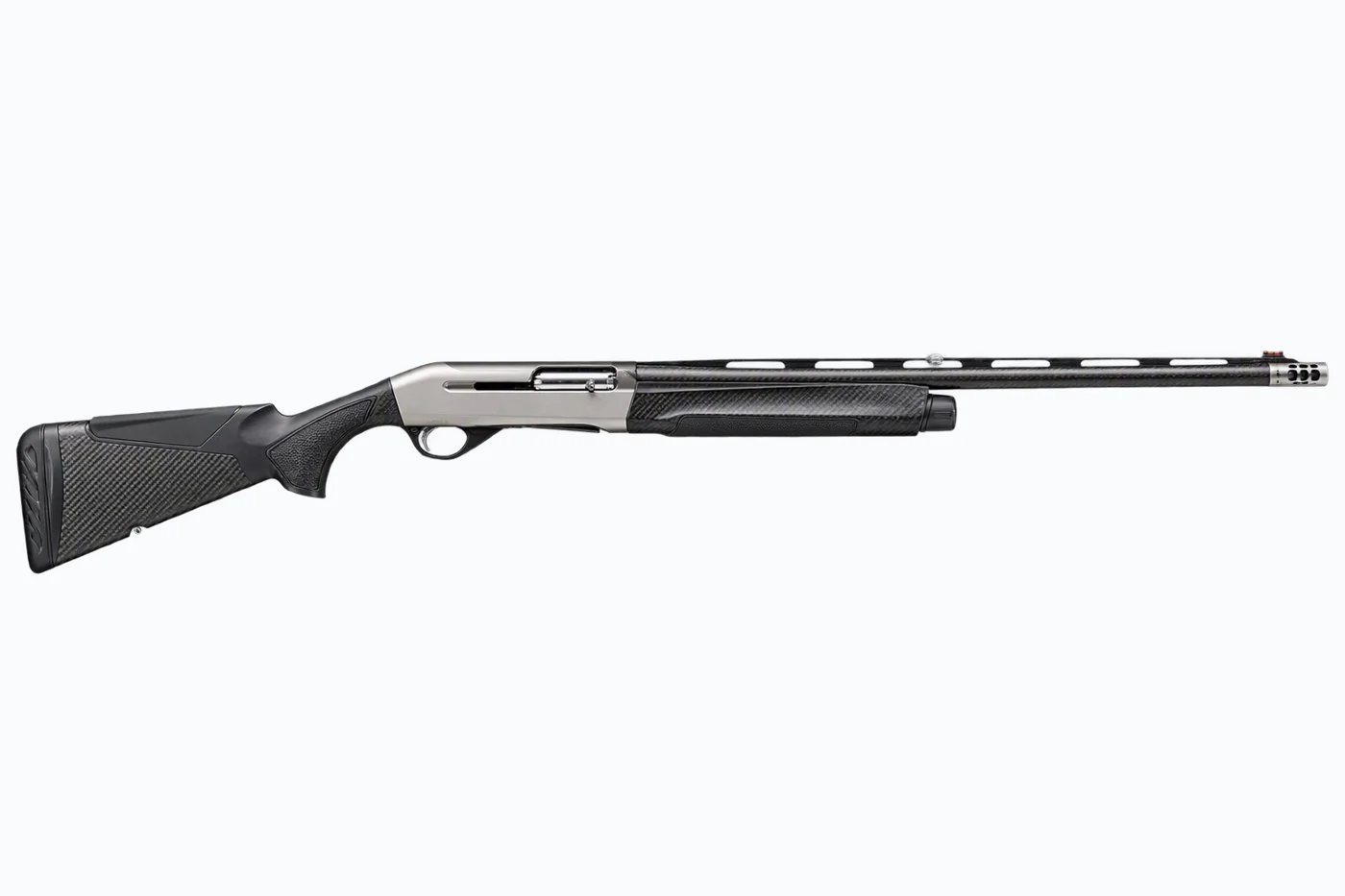
Benelli ETHOS Sport
Inertia operated · 12 Gauge
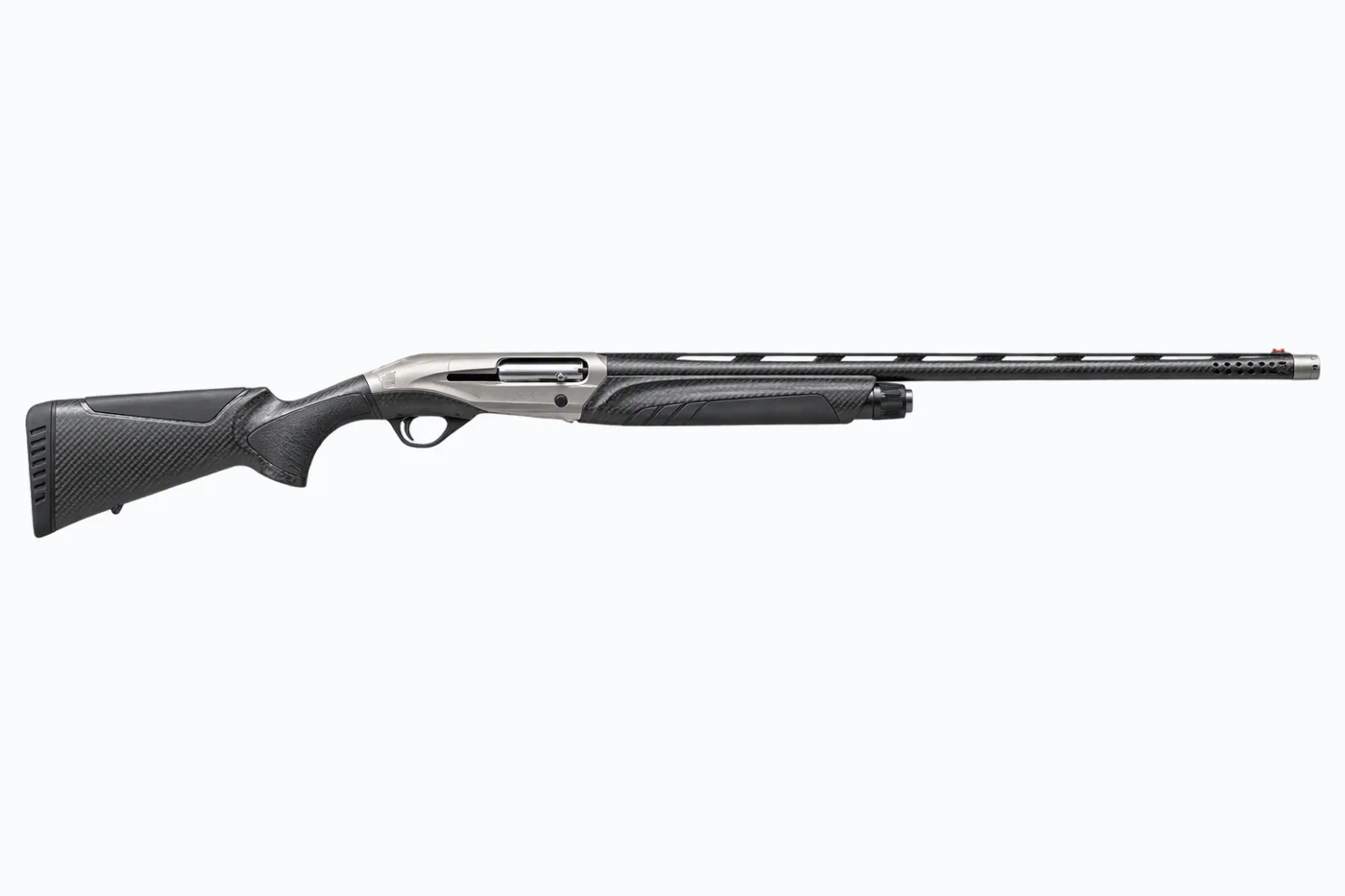
Benelli ETHOS SuperSport
Inertia operated · 12 Gauge
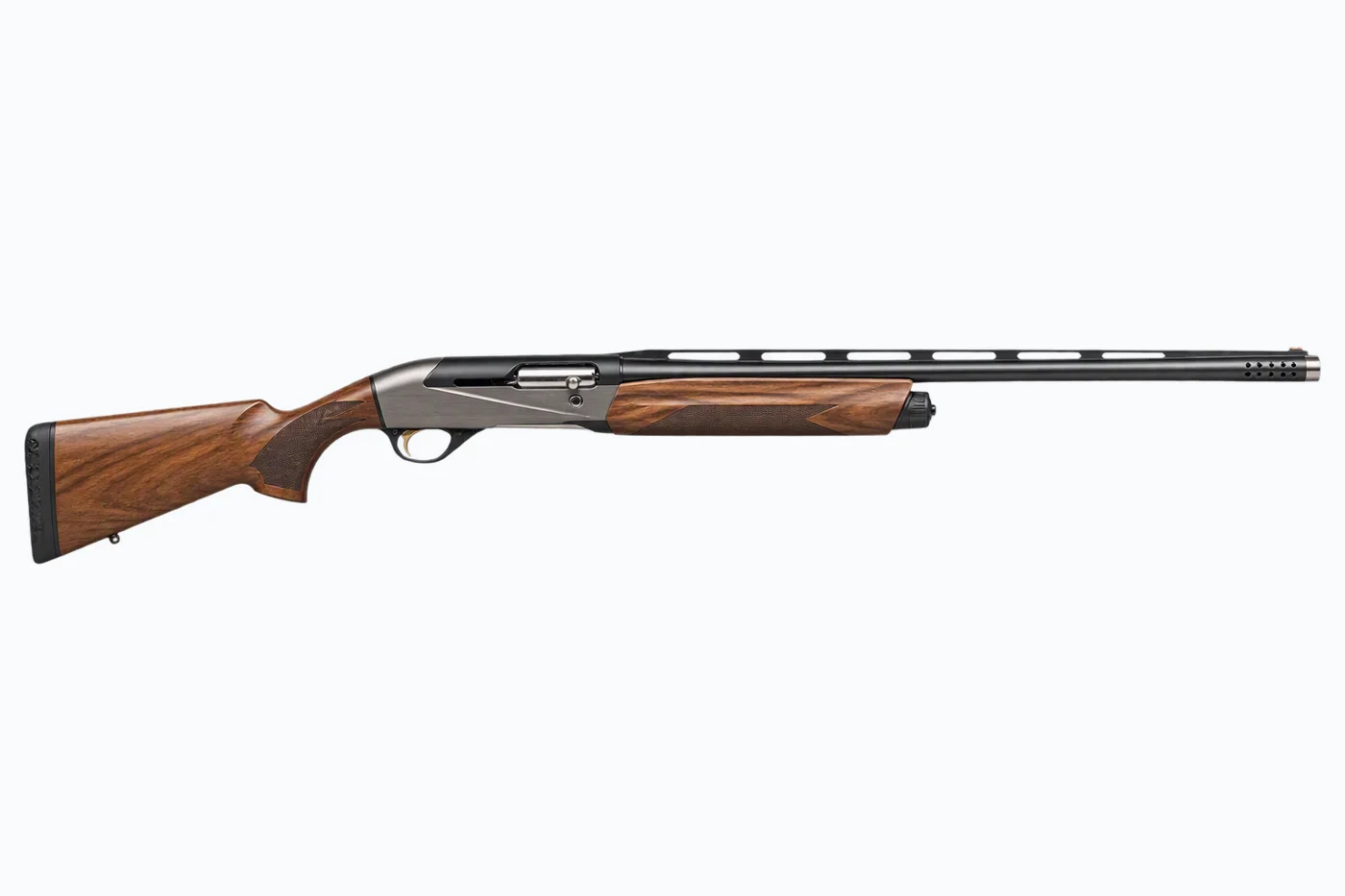
Benelli ETHOS SuperSport A.I.
Inertia operated · 12 Gauge
Benelli Ethos Upland
Recoil operated · 12 Gauge
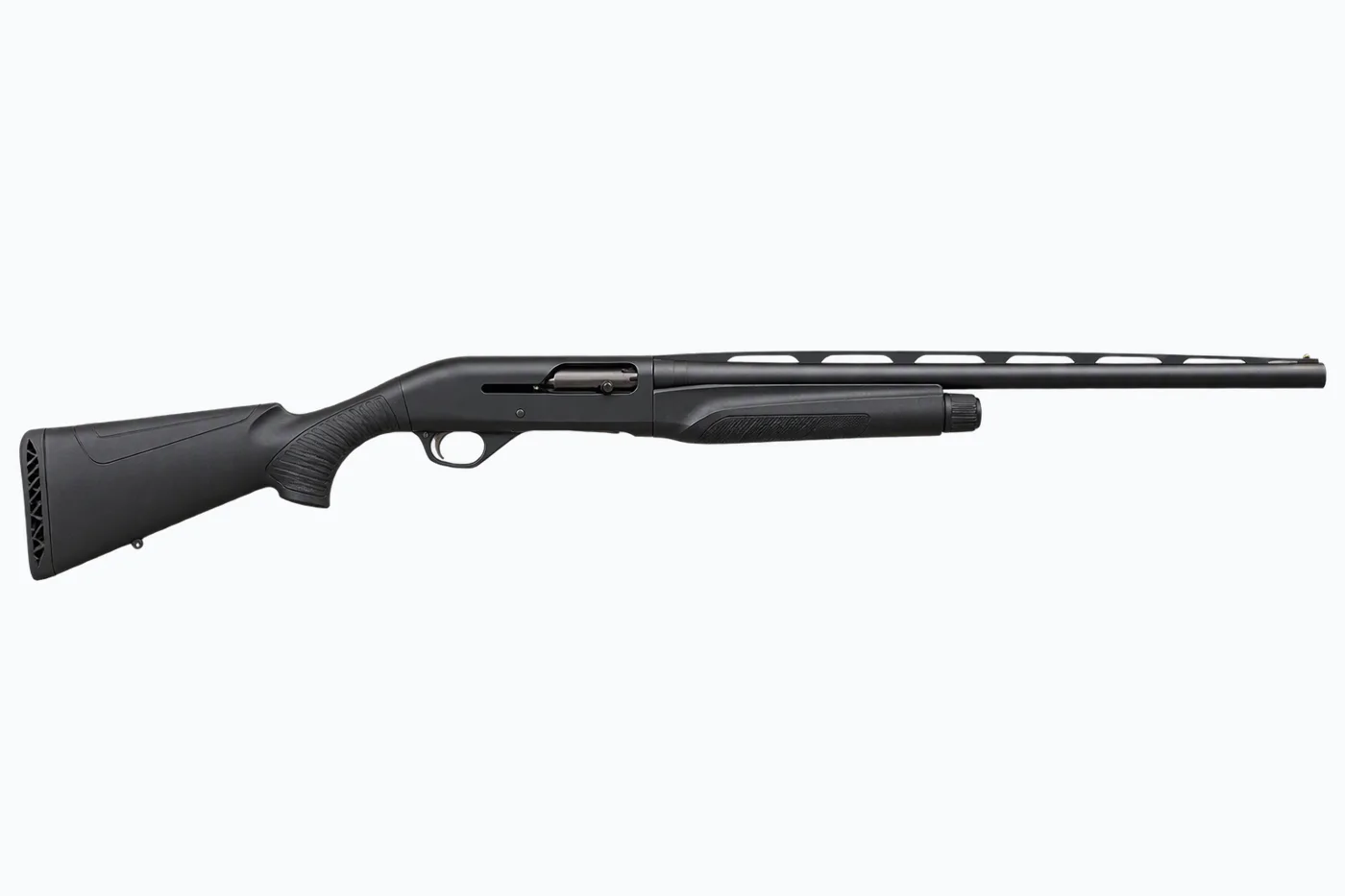
Benelli M2 Field
Inertia operated · 12 Gauge
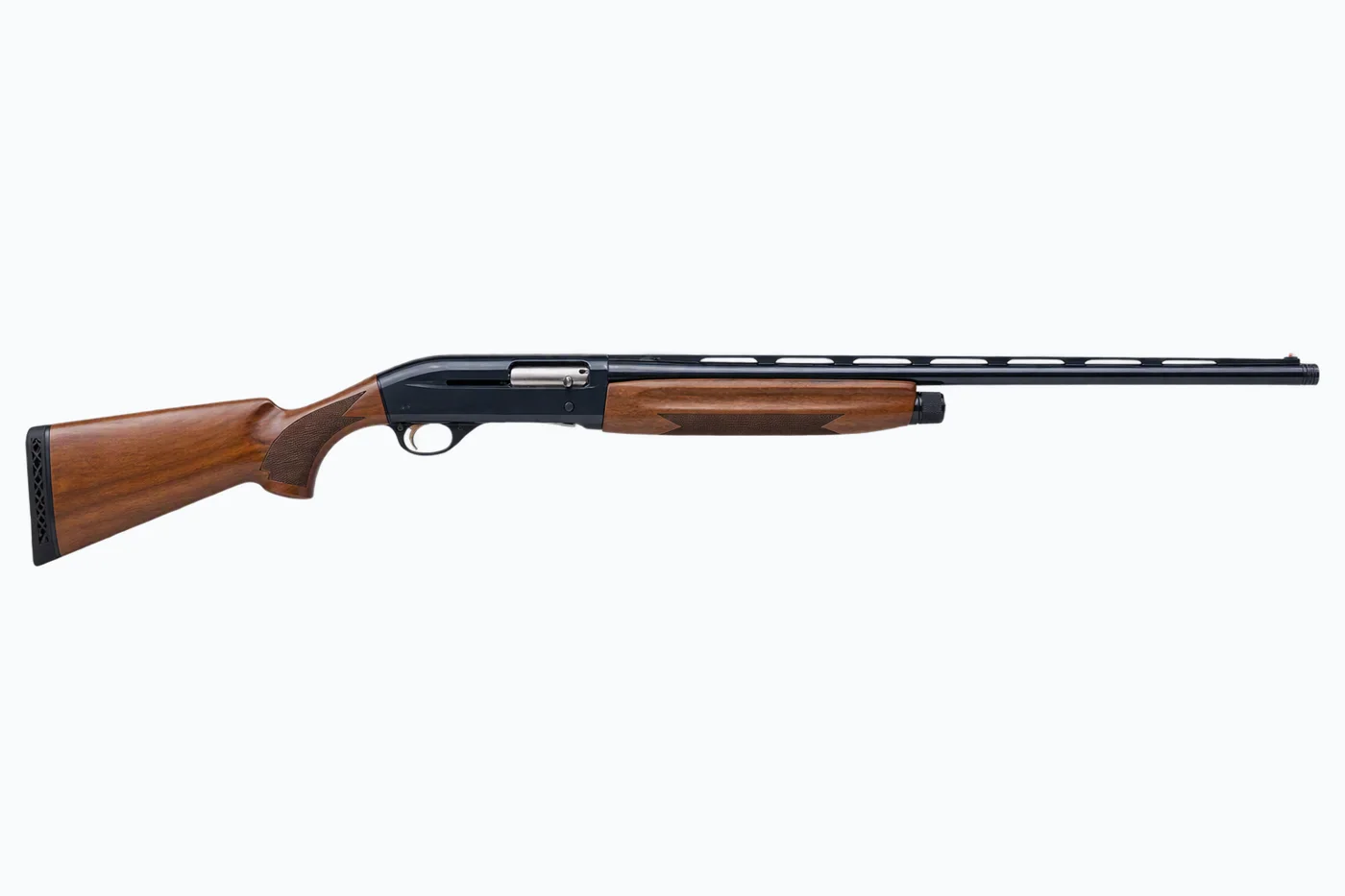
Benelli Montefeltro
Inertia operated · 12 Gauge