
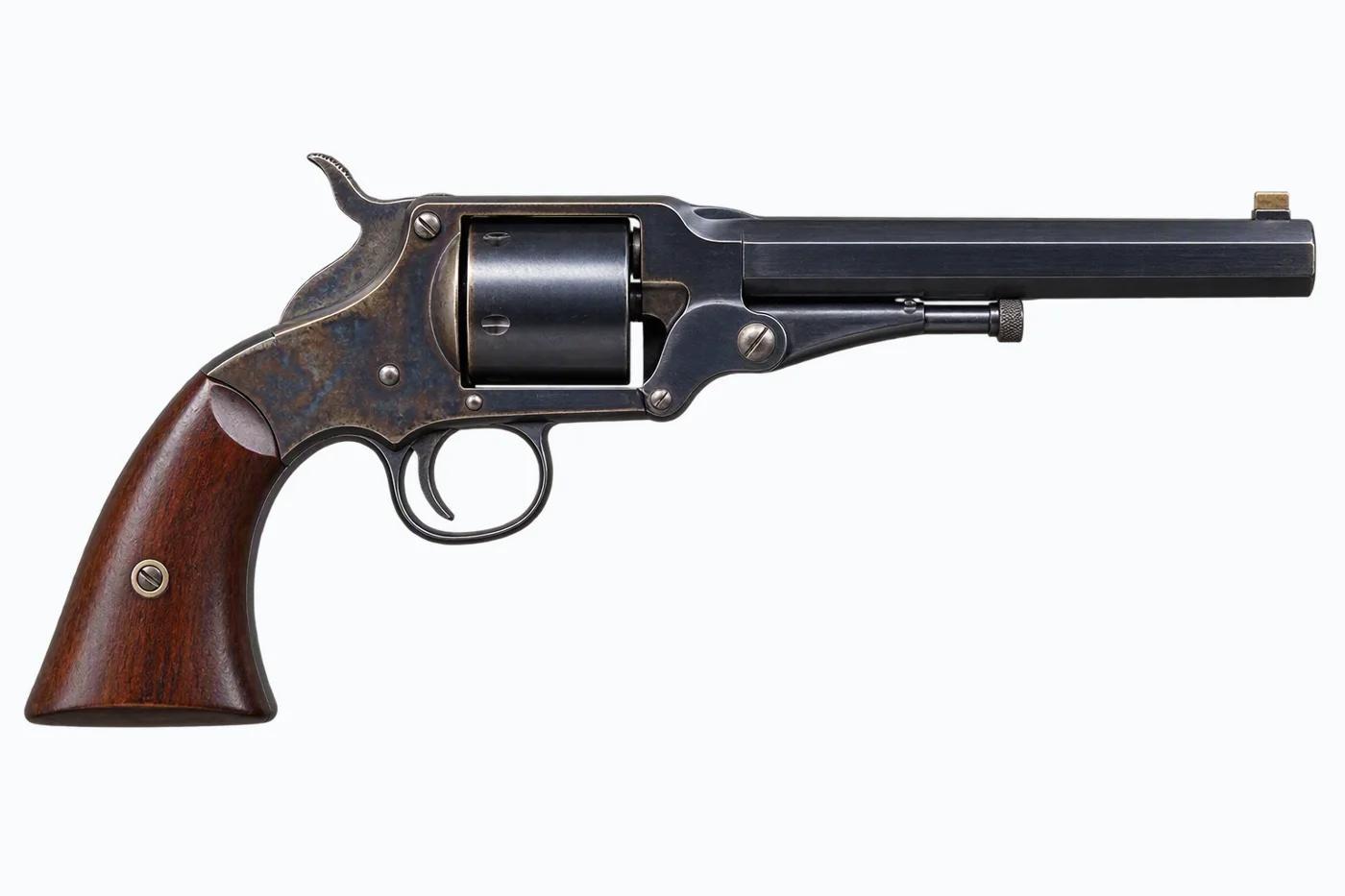
Smith & Wesson · Revolver
Smith & Wesson Model No. 2 Army
Single action revolver · .32 Long Rimfire · introduced 1861
Also known as Model No. 2 Old Army, No. 2 Old Army, Old Army
About the Smith & Wesson Model No. 2 Army
The Smith & Wesson Model No. 2 Army, also known as the No. 2 Old Army, was a six-shot single-action revolver chambered in .32 rimfire, produced from 1861 to 1874. Unlike the cap-and-ball revolvers of its day, it fired a self-contained metallic cartridge through a bored-through cylinder protected by the Rollin White patent, which gave Smith & Wesson a near-monopoly on cartridge revolvers until the patent expired in 1872. It used the firm's tip-up design, in which the octagonal barrel pivots upward to allow the cylinder to be removed for loading. Demand among Civil War soldiers as a private-purchase backup sidearm outstripped the company's production capacity.
Often credited as the first truly successful mass-produced American cartridge pistol, the No. 2 owed its success to Smith & Wesson's monopoly over bored-through metallic-cartridge cylinders. By tradition it was the gun on Wild Bill Hickok when he was murdered during an 1874 poker game in Deadwood, the hand that became known as the dead man's hand, and General George Armstrong Custer is said to have owned a pair.
Smith & Wesson Model No. 2 Army specifications
General
- Type
- Revolver
- Action
- Single action revolver
- Firing mechanism
- Single action
- Trigger
- Single stage
- Calibres
- .32 Long Rimfire
- Magazine capacity
- 6 rounds
- Magazine
- Revolving cylinder
Dimensions
- Barrel length
- 127 mm (5.0 in)
- Overall length
- 254 mm (10.0 in)
Barrel
- Rifling
- Right hand
Materials
- Barrel
- Steel
- Receiver / frame
- Steel
- Stock
- Wood
- Finish
- blued
Performance
- Muzzle velocity (typical)
- 330 m/s (1083 fps)
- Muzzle energy (typical)
- 316 J (233 ft·lb)
- Effective range
- 30 m
History
- Introduced
- 1861
- Discontinued
- 1874
- Production status
- Out of production
- Country of origin
- US
- Designer
- Horace Smith and Daniel B. Wesson
Features
- Tip up barrel
- Removable cylinder
- Smooth cylinder
- Octagonal barrel
- Bored through cylinder
- Rimfire metallic cartridge
Safety
- Hammer safety notch
Weight is not published on accessible sources. Most common barrel lengths are 5 in and 6 in; 4 in is rare and 8/10 in are extremely rare. The cylinder is smooth/non-fluted, despite one secondary source erroneously listing it as fluted. Production total cited as roughly 77,000.
Similar models
Allen & Wheelock Pepperbox
Revolving · .31 Caliber Percussion (Cap and Ball)
S&W Model 1
Single action · .22 Short
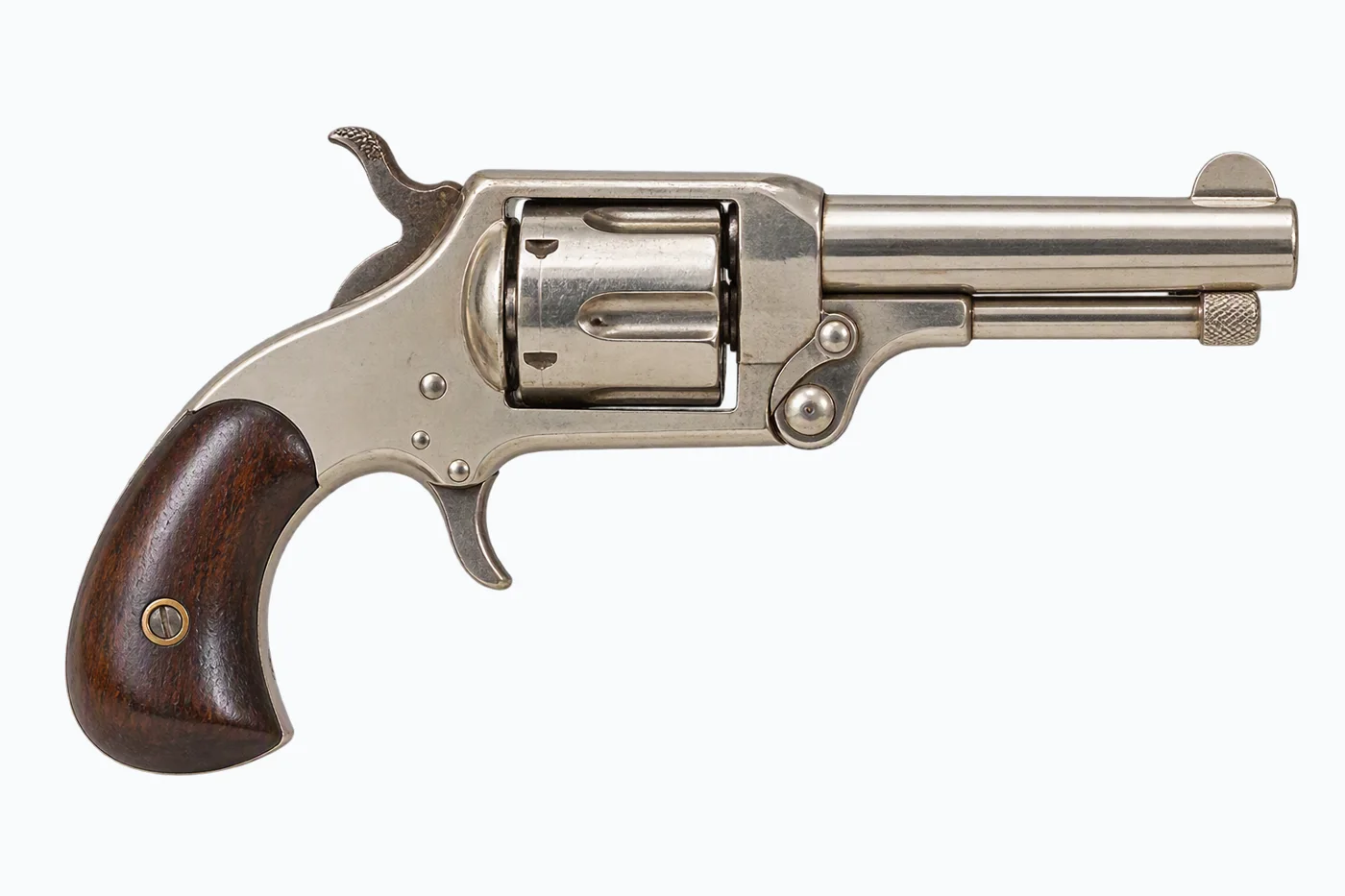
S&W Model 1 1/2
Single action · .32 Short Rimfire
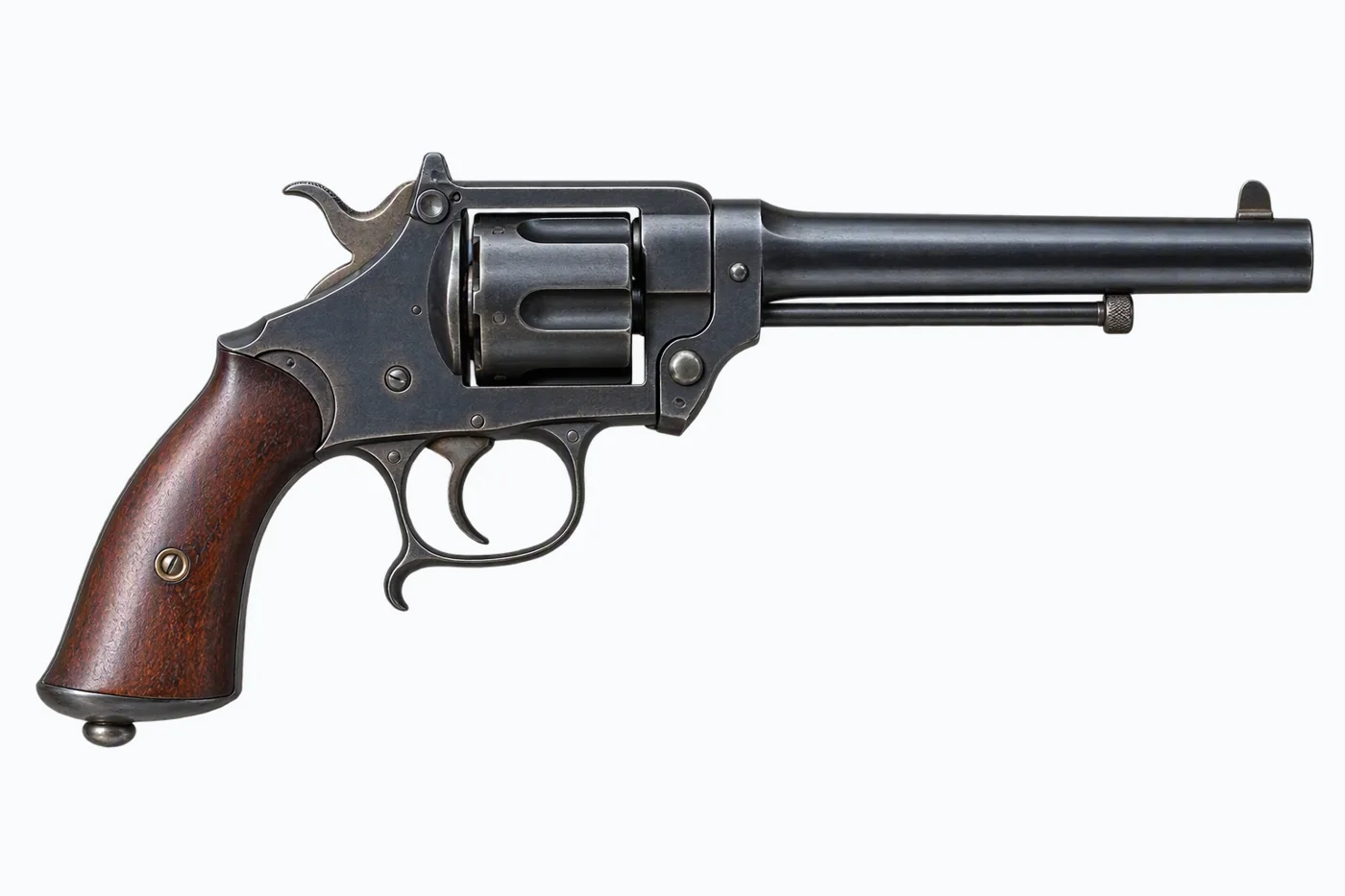
S&W Model 3 Russian
Single action · .44 Russian
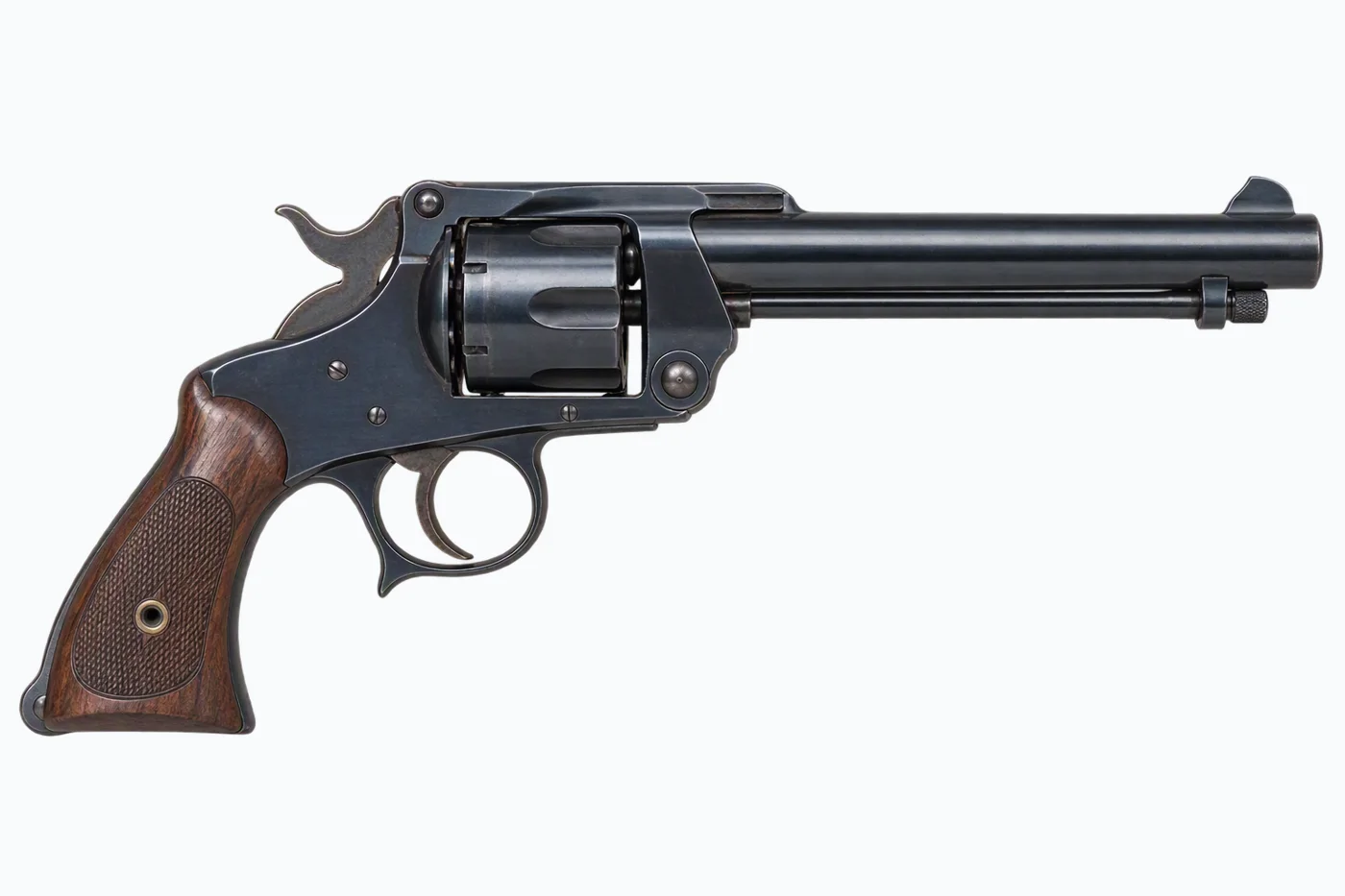
S&W No.3 Russian
Single action · .44 Russian
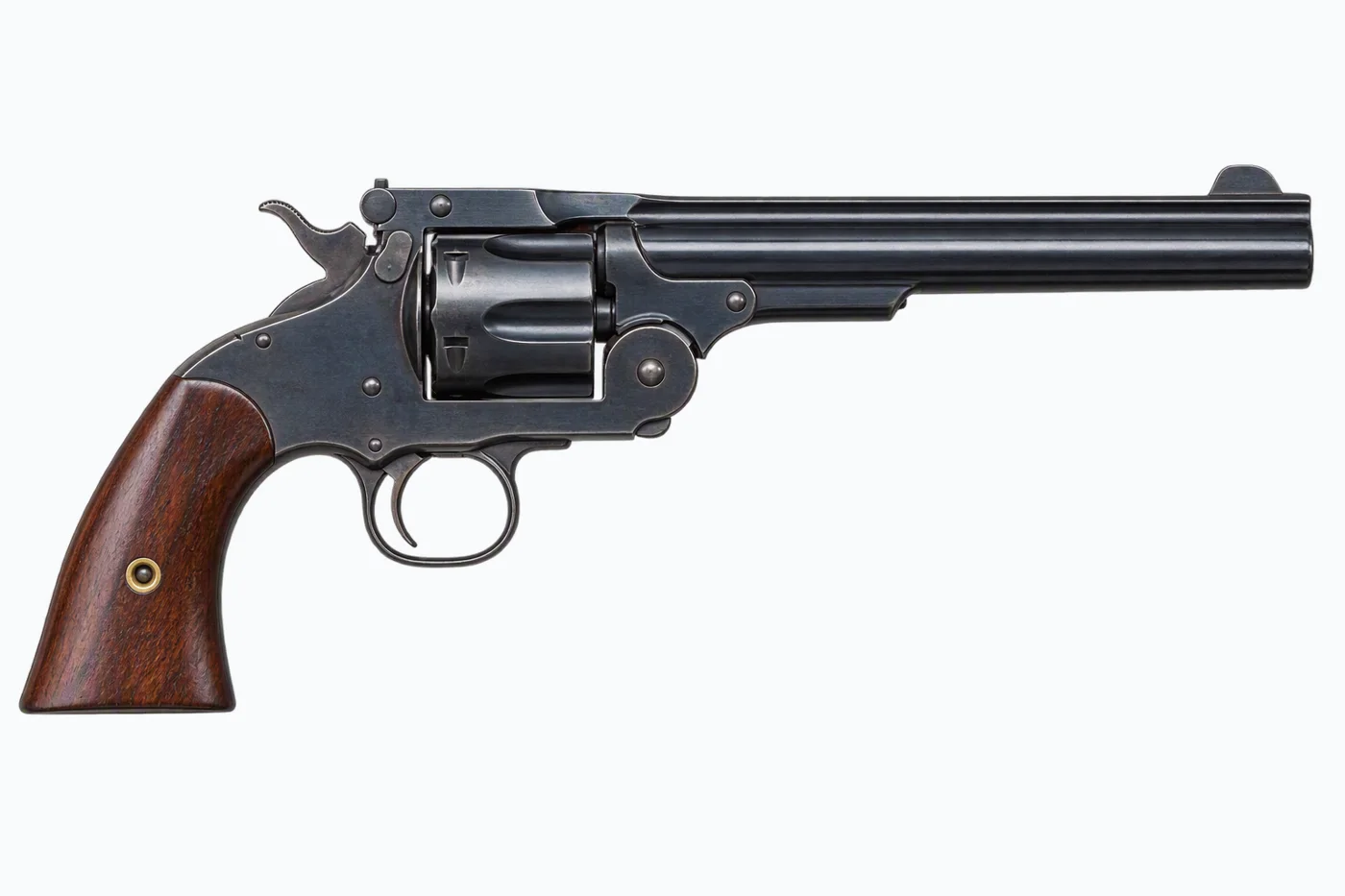
S&W Schofield
Single action revolver · .45 Schofield
Smith & Wesson 2213 Sportsman
Blowback (semi-automatic) · .22 Long Rifle
Smith & Wesson 2214 Sportsman
Blowback (semi-automatic) · .22 Long Rifle