
Springfield Armory · Rifle
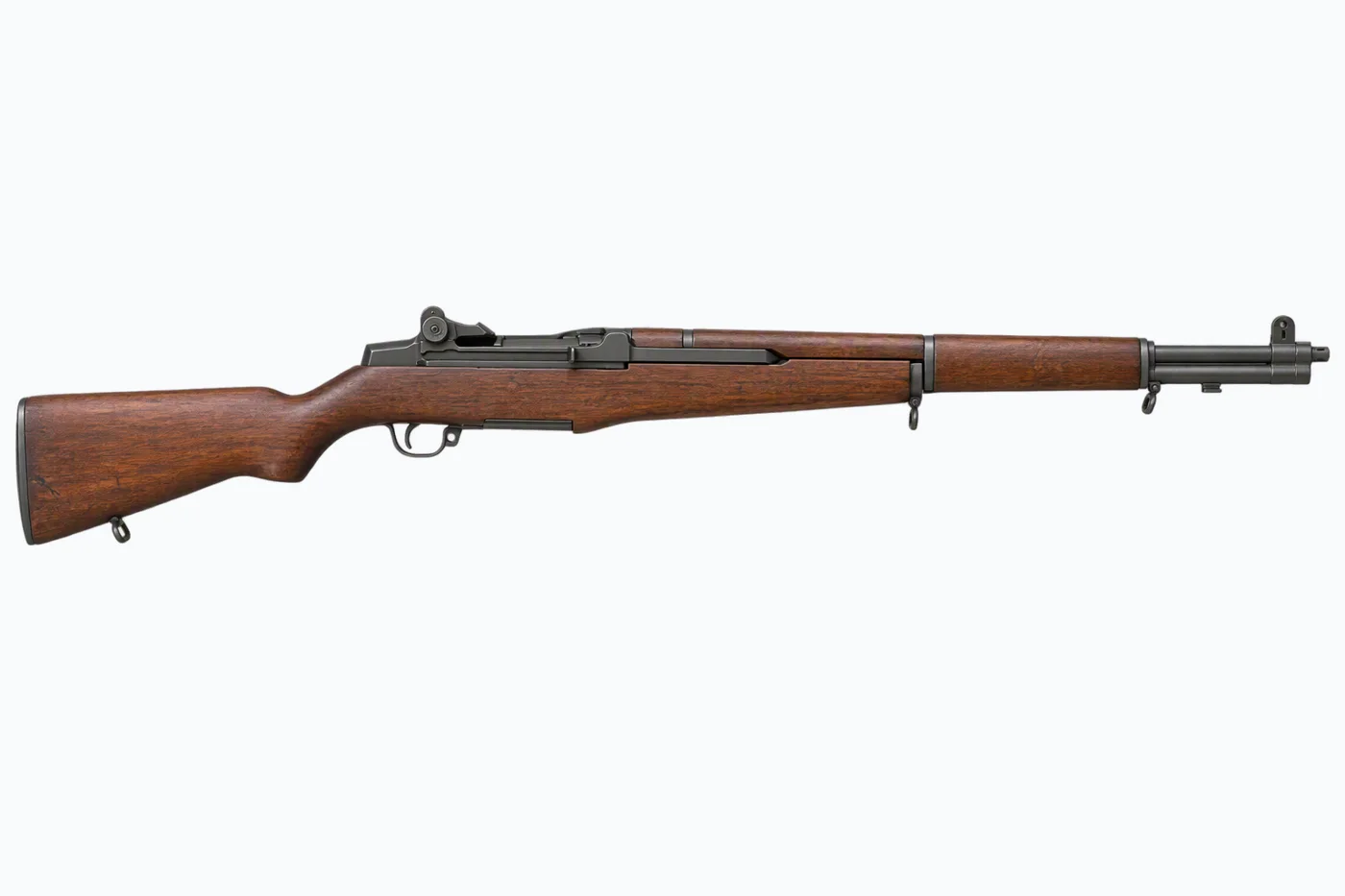
M1 Garand
Gas operated long stroke · .30-06 Springfield · introduced 1936
Also known as United States Rifle, Caliber .30, M1, US Rifle M1, Garand
About the M1 Garand
The M1 Garand, officially designated as United States Rifle, Caliber .30, M1, is a gas-operated, semi-automatic rifle that was the standard service rifle of the United States Armed Forces during World War II and the Korean War. Designed by Canadian-American engineer John C. Garand at Springfield Armory, it was the first semi-automatic rifle to be generally issued to infantry in the world, giving American soldiers a significant advantage in firepower over enemies armed with bolt-action rifles. Chambered in .30-06 Springfield, the M1 Garand features a distinctive 8-round en bloc clip feeding system that ejects with a characteristic 'ping' when empty. General George S. Patton famously called it 'the greatest battle implement ever devised.' The rifle's gas-operated rotating bolt system, reliability, accuracy, and semi-automatic capability revolutionized infantry combat. Over 5.5 million units were produced by Springfield Armory, Winchester, Harrington & Richardson, and International Harvester. The M1 Garand served with distinction from 1936 until it was replaced by the M14 rifle in 1957, though it remained in limited service and was widely distributed to allied nations throughout the Cold War.
General George S. Patton famously called the M1 Garand 'the greatest battle implement ever devised.' It was the first semi-automatic rifle to be generally issued to infantry of any nation, giving American GIs a decisive firepower advantage over enemies armed with bolt-action rifles. The distinctive metallic 'ping' when the en bloc clip ejects has become one of the most iconic sounds in firearms history.
M1 Garand specifications
General
- Type
- Rifle
- Action
- Gas operated long stroke
- Firing mechanism
- Hammer-fired
- Trigger
- Two stage
- Calibres
- .30-06 Springfield
- Magazine capacity
- 8 rounds
- Magazine
- Internal
Dimensions
- Barrel length
- 610 mm (24.0 in)
- Overall length
- 1107 mm (43.6 in)
- Weight (empty)
- 4.37 kg (9.63 lb)
Barrel
- Rifling
- Right hand
- Grooves
- 4
Materials
- Barrel
- Steel
- Receiver / frame
- Steel
- Stock
- Wood
- Finish
- parkerized
Performance
- Muzzle velocity (typical)
- 853 m/s (2799 fps)
- Muzzle energy (typical)
- 3550 J (2618 ft·lb)
- Effective range
- 402 m
History
- Introduced
- 1936
- Discontinued
- 1957
- Production status
- Discontinued
- Country of origin
- US
- Designer
- John C. Garand
Features
- En bloc clip system
- Gas operated rotating bolt
- Semi automatic only
- Aperture rear sight
- Barleycorn front sight
- Distinctive ping on empty
Safety
- Trigger safety
- Hammer safety
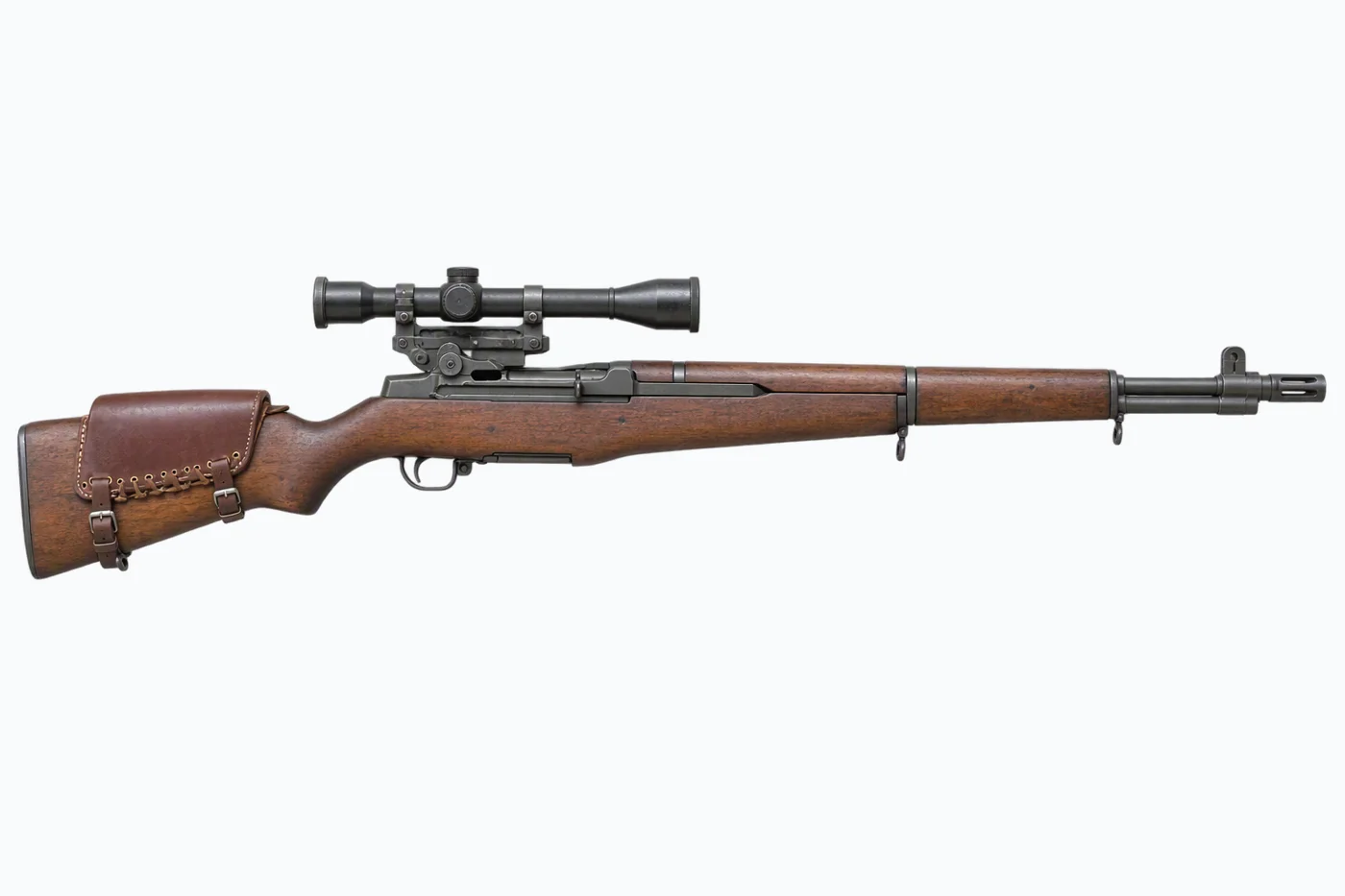
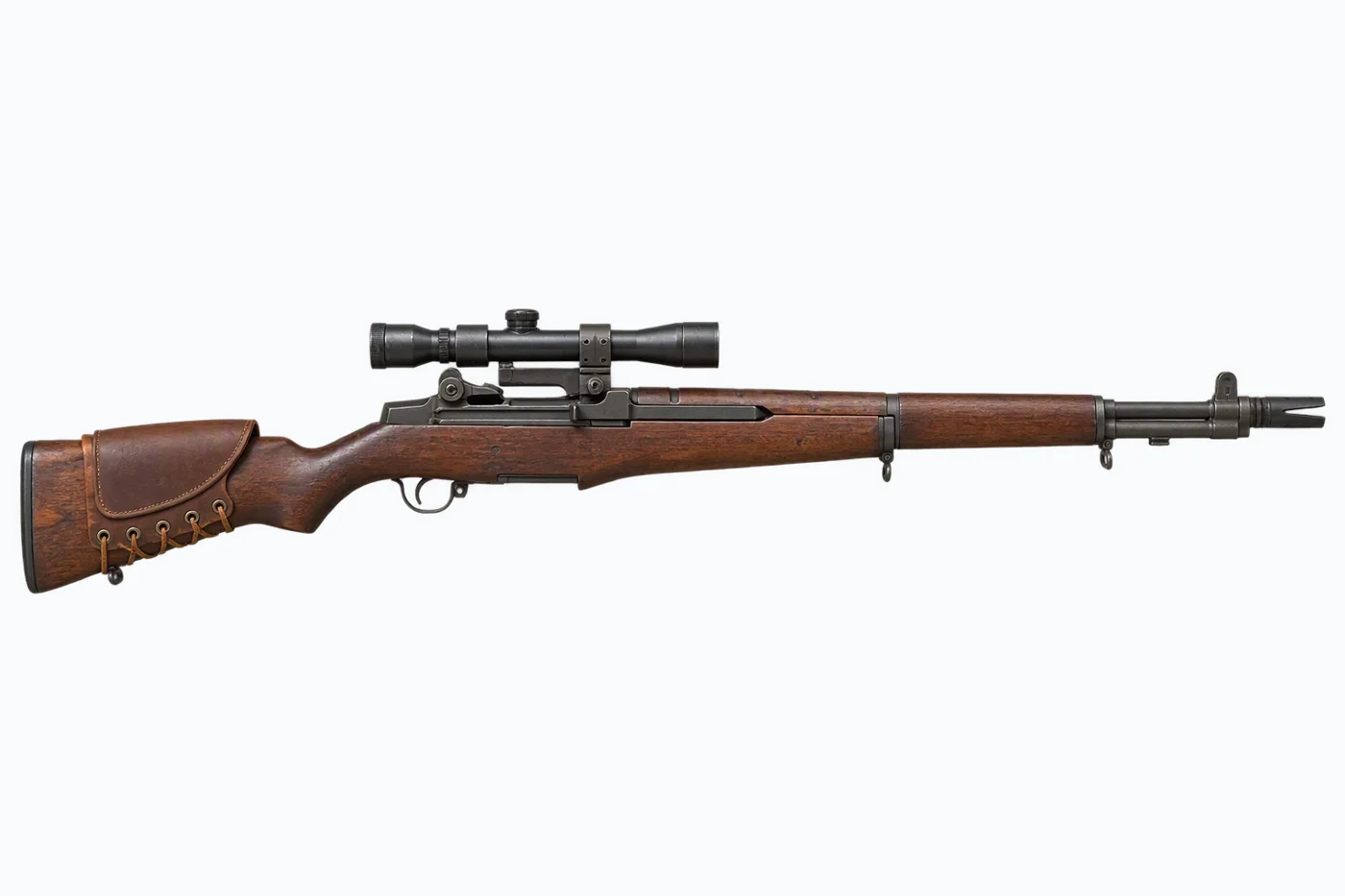
The M1 Garand's en bloc clip system, while innovative, had limitations: the clip had to be fully emptied before reloading, and the distinctive 'ping' sound when the clip ejected could alert enemies that the soldier was out of ammunition. Two sniper variants were developed: the M1C with a scope mount on the receiver (7,971 produced during WWII) and the M1D with a simpler barrel-mounted scope. The M1C was adopted by the U.S. Marine Corps as their official sniper rifle in 1951. Experimental variants included the M1E5 with an 18-inch barrel and folding stock, and the T26 with shortened barrel. The Italian Beretta BM59 was a heavily modified Garand variant featuring detachable box magazines and selective fire capability. Many Allied nations received surplus M1 Garands through military aid programs, and the rifle continues to be used for ceremonial purposes in countries like Greece, Japan, Thailand, and Taiwan. The rifle's design influenced numerous subsequent firearms and established the template for modern battle rifles.
M1 Garand variants
Similar models
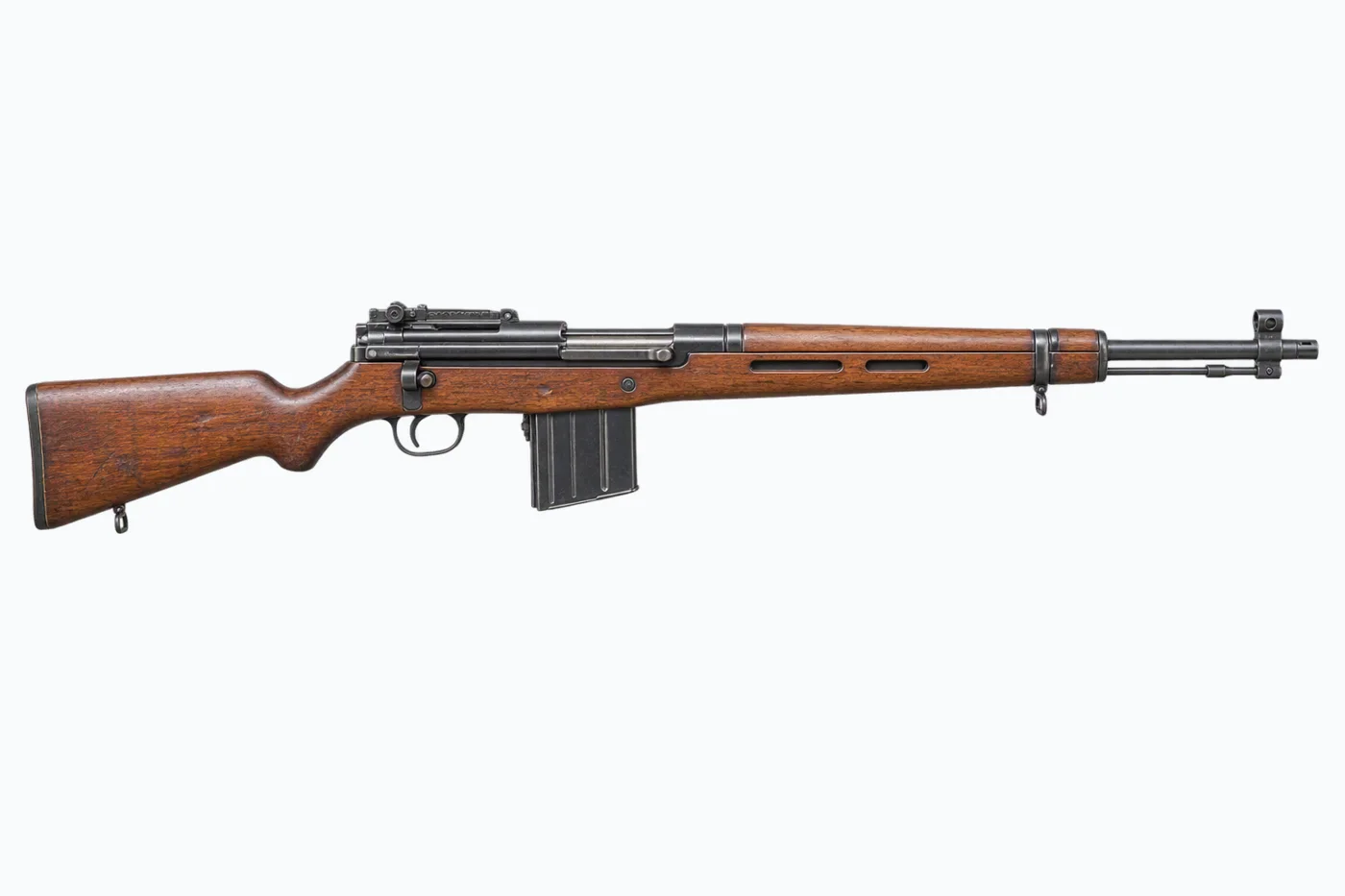
Automatgevär m/42 (Ljungman)
Gas-operated (direct impingement) · 6.5x55mm Swedish
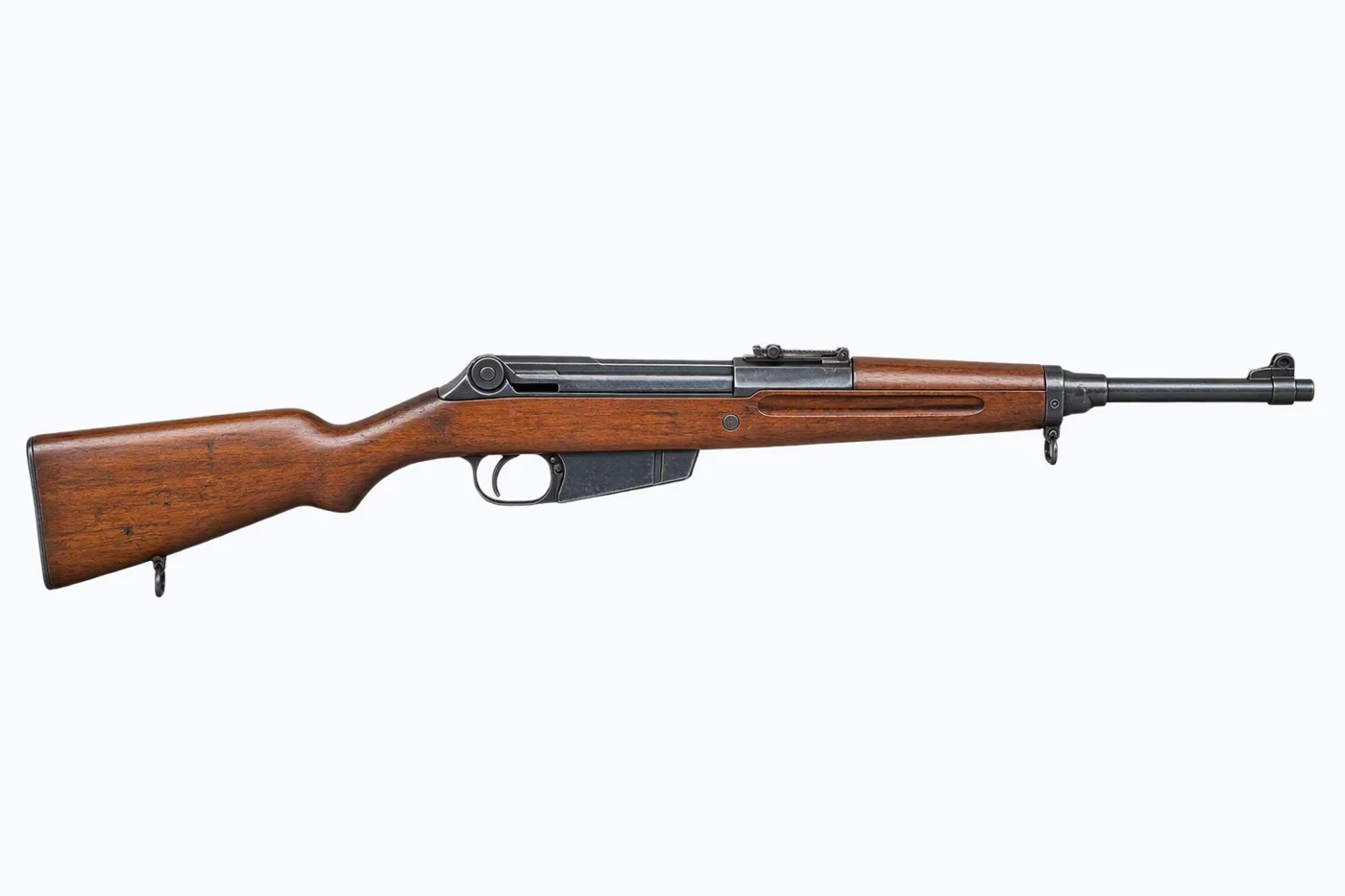
Armaguerra Mod. 39 (OM-44)
Short recoil (semi-automatic) · 7.35x51mm Carcano
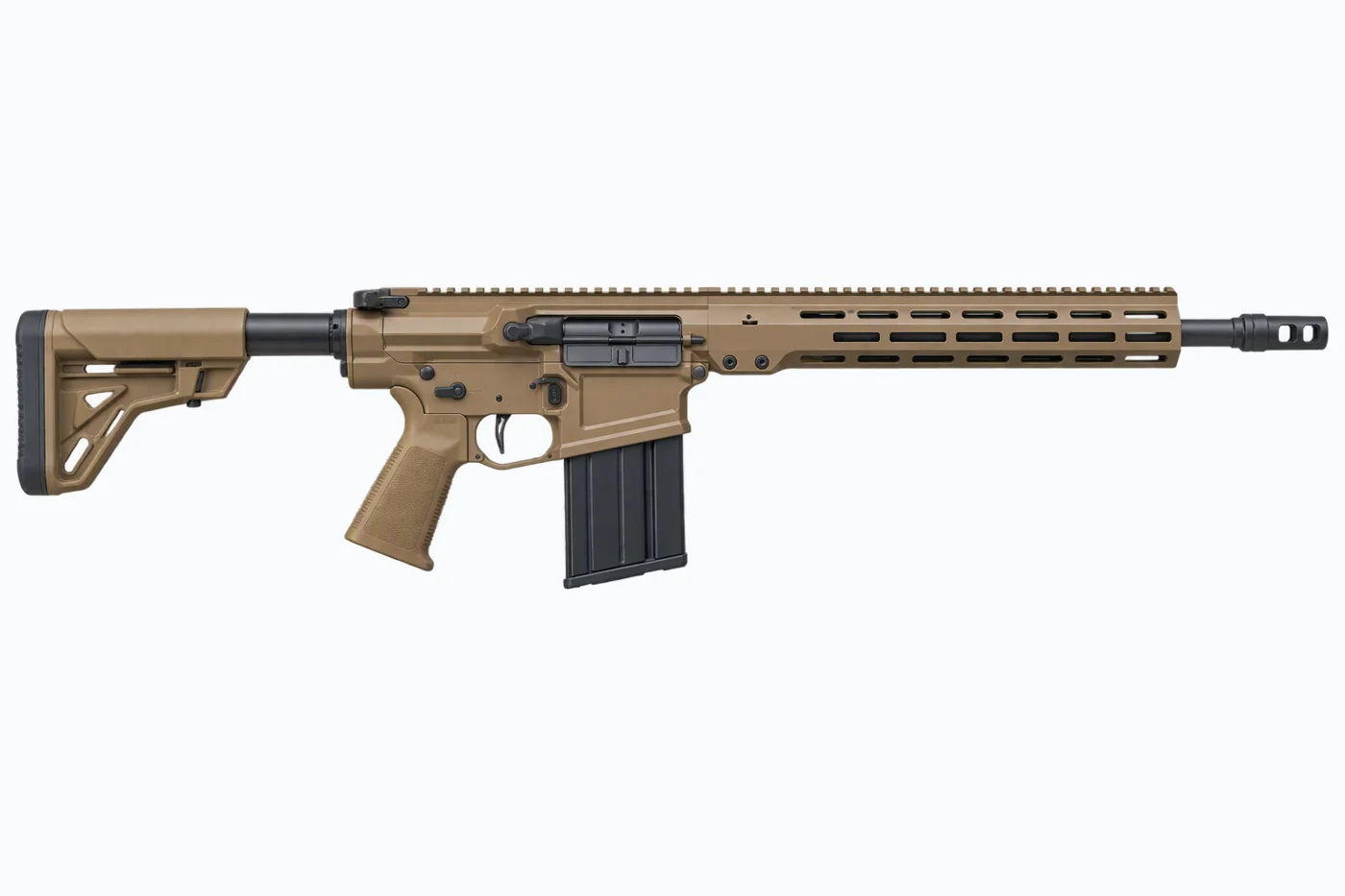
Barrett REC10
Gas operated long stroke · 7.62x51mm NATO
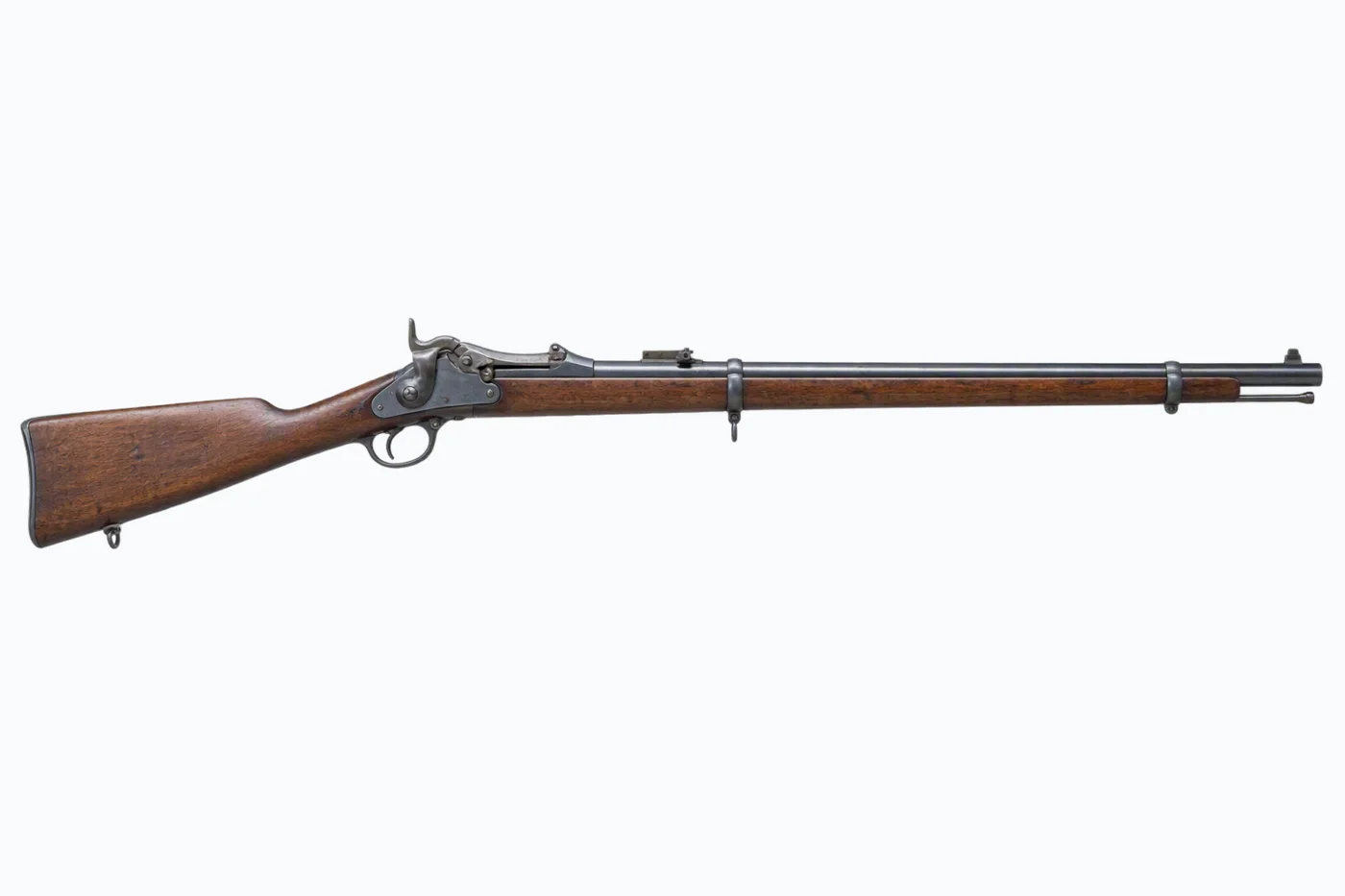
Allin Conversion
Trapdoor · .50-70 Government
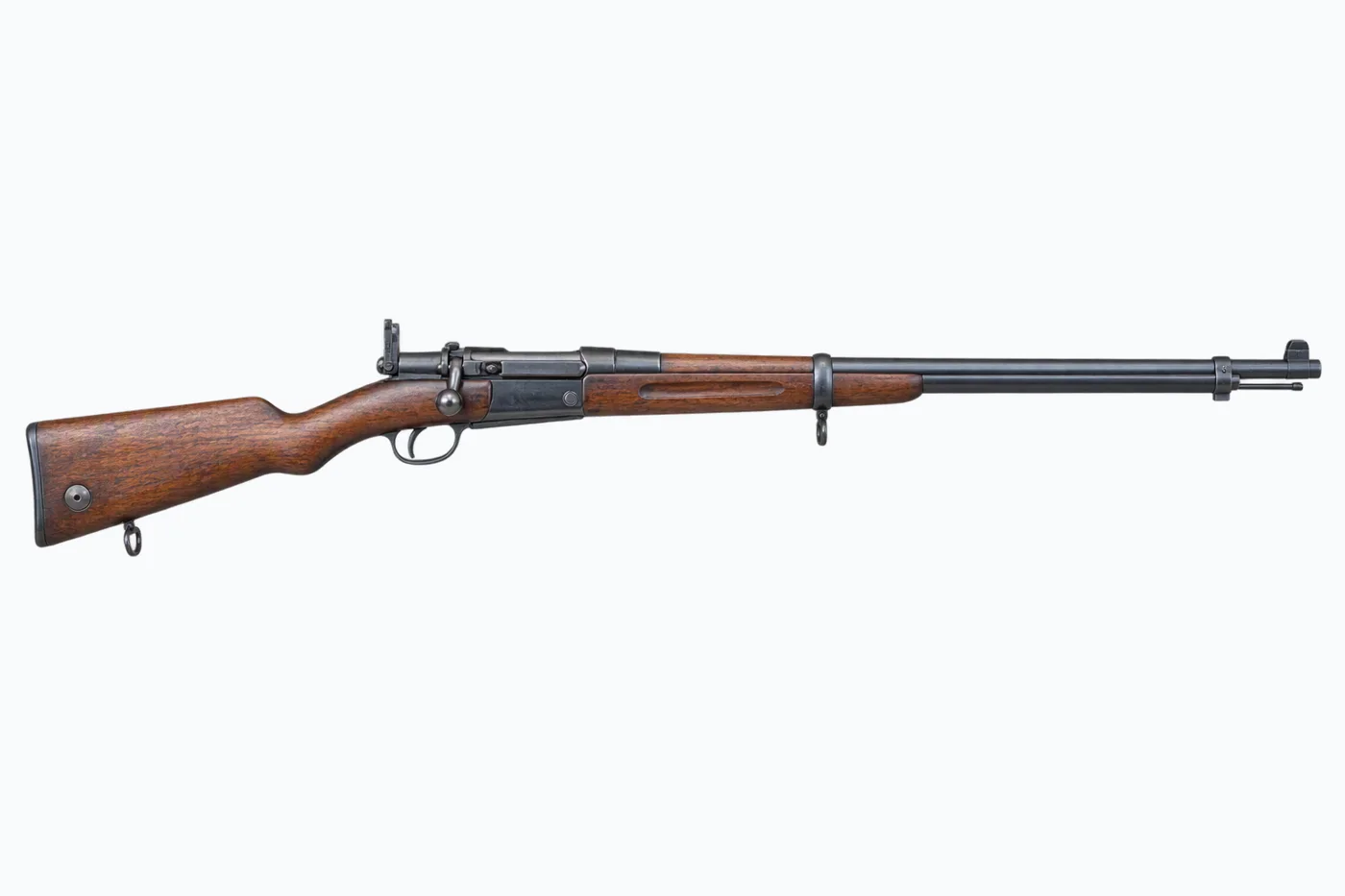
Chaffee-Reece M1882
Bolt action · .45-70 Government
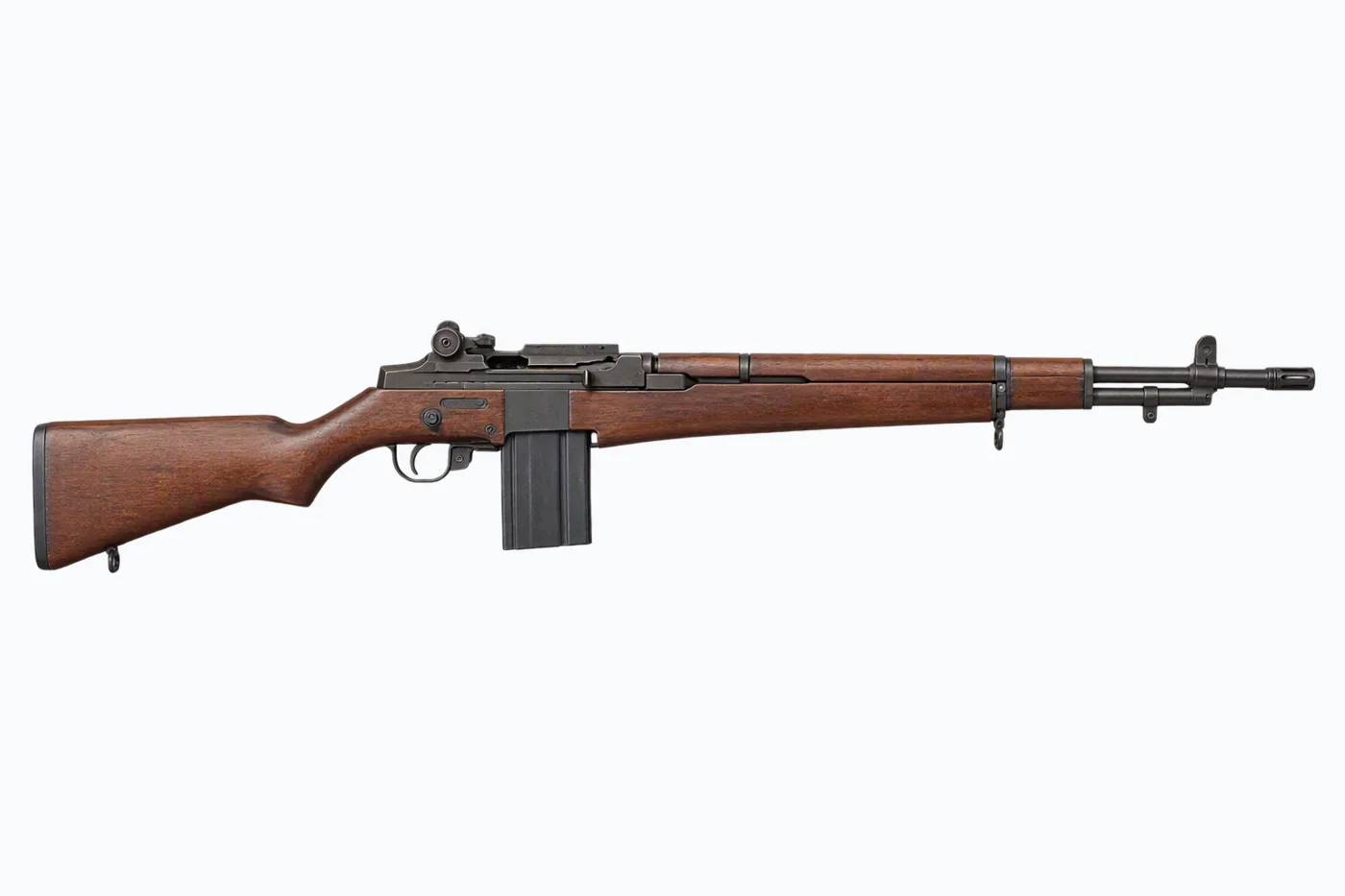
Garand T20
Gas-operated · .30-06 Springfield
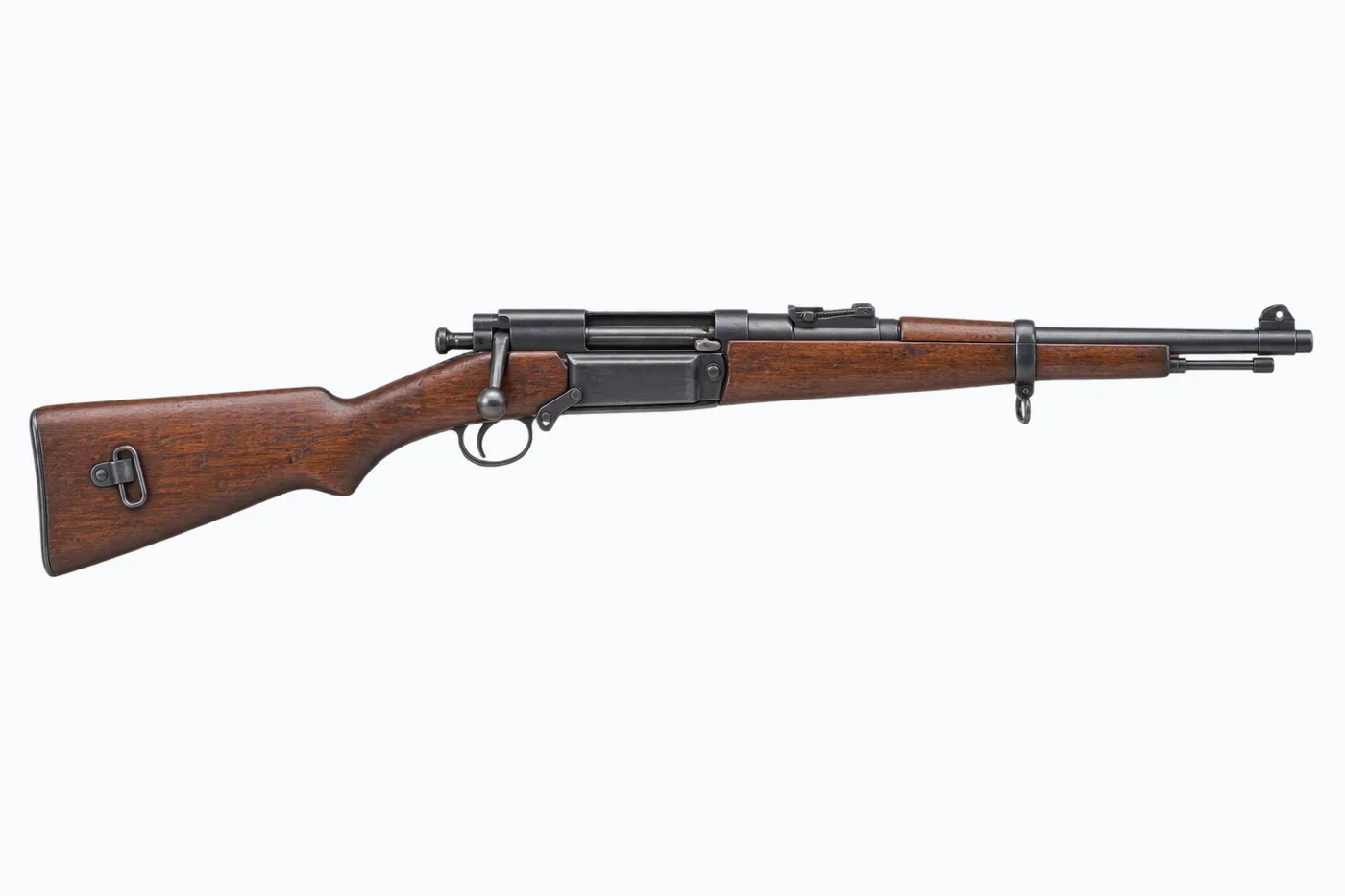
Krag-Jorgensen Carbine Model 1899
Bolt action · .30-40 Krag
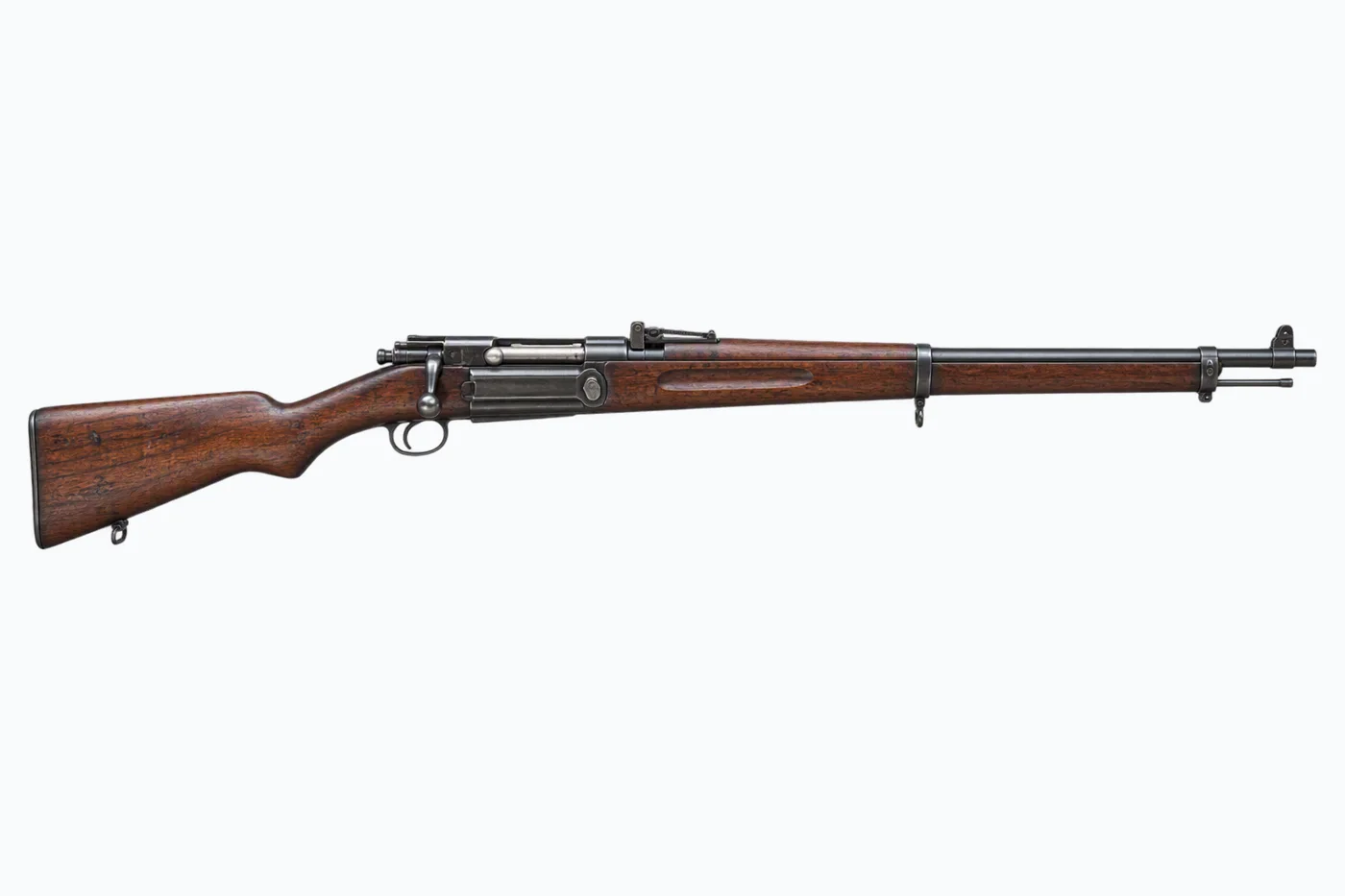
Krag-Jorgensen M1898
Bolt action · .30-40 Krag