
Winchester · Shotgun
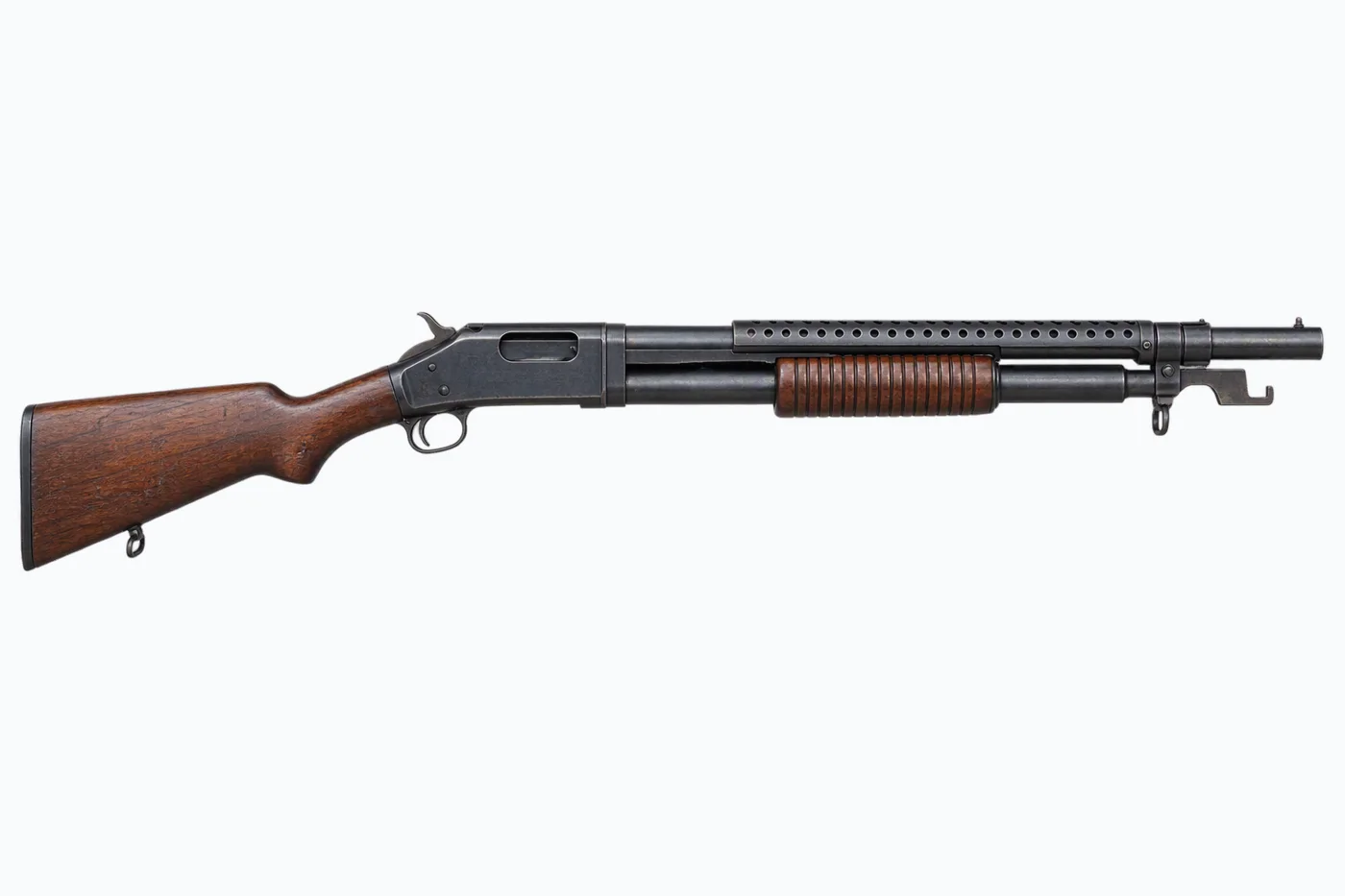
Winchester Model 1897 Trench Gun
Pump action · 12 Gauge · introduced 1917
Also known as Model 97, M97, Winchester M1897 Trench Gun
About the Winchester Model 1897 Trench Gun
The Winchester Model 1897 Trench Gun is a pump-action shotgun, the militarized configuration of John Browning's exposed-hammer Model 1897 design. Chambered in 12 gauge and fed from a five-round tubular magazine, the Trench Gun added a 20-inch cylinder-bore barrel, a perforated steel heat shield, sling swivels, and a bayonet lug accepting the U.S. Model 1917 Enfield bayonet. With no trigger disconnector, it could slam-fire, allowing a soldier to empty the magazine in close-quarters combat by holding the trigger and working the slide. It became iconic in the trench fighting of World War I and saw further service through World War II, Korea, and Vietnam.
German authorities formally protested the American use of combat shotguns in 1918, claiming they violated the laws of war and threatening to execute captured shotgun-armed troops; the United States rejected the protest. The Model 1897's devastating close-range effect in the trenches earned it the nickname 'trench sweeper.'
Winchester Model 1897 Trench Gun specifications
General
- Type
- Shotgun
- Action
- Pump action
- Firing mechanism
- Hammer-fired
- Trigger
- Single action
- Calibres
- 12 Gauge
- Magazine capacity
- 5 rounds
- Magazine
- Tubular
Dimensions
- Barrel length
- 510 mm (20.1 in)
- Overall length
- 1000 mm (39.4 in)
- Weight (empty)
- 3.60 kg (7.94 lb)
Barrel
- Rifling
- Smoothbore
Materials
- Barrel
- Steel
- Receiver / frame
- Steel
- Slide
- Steel
- Stock
- Walnut
- Finish
- blued
Performance
- Muzzle velocity (typical)
- 400 m/s (1312 fps)
- Muzzle energy (typical)
- 2560 J (1888 ft·lb)
- Effective range
- 40 m
History
- Introduced
- 1917
- Discontinued
- 1957
- Production status
- Discontinued
- Country of origin
- US
- Designer
- John Browning
Features
- Perforated heat shield
- Bayonet lug
- External hammer
- Takedown design
- Sling swivels
Safety
- Slam fire capable
The Model 1897 lacked a trigger disconnector, so holding the trigger while cycling the slide would fire each round as the action closed (slam fire). World War I heat shields had six rows of perforations; World War II production used a four-row handguard.
Similar models
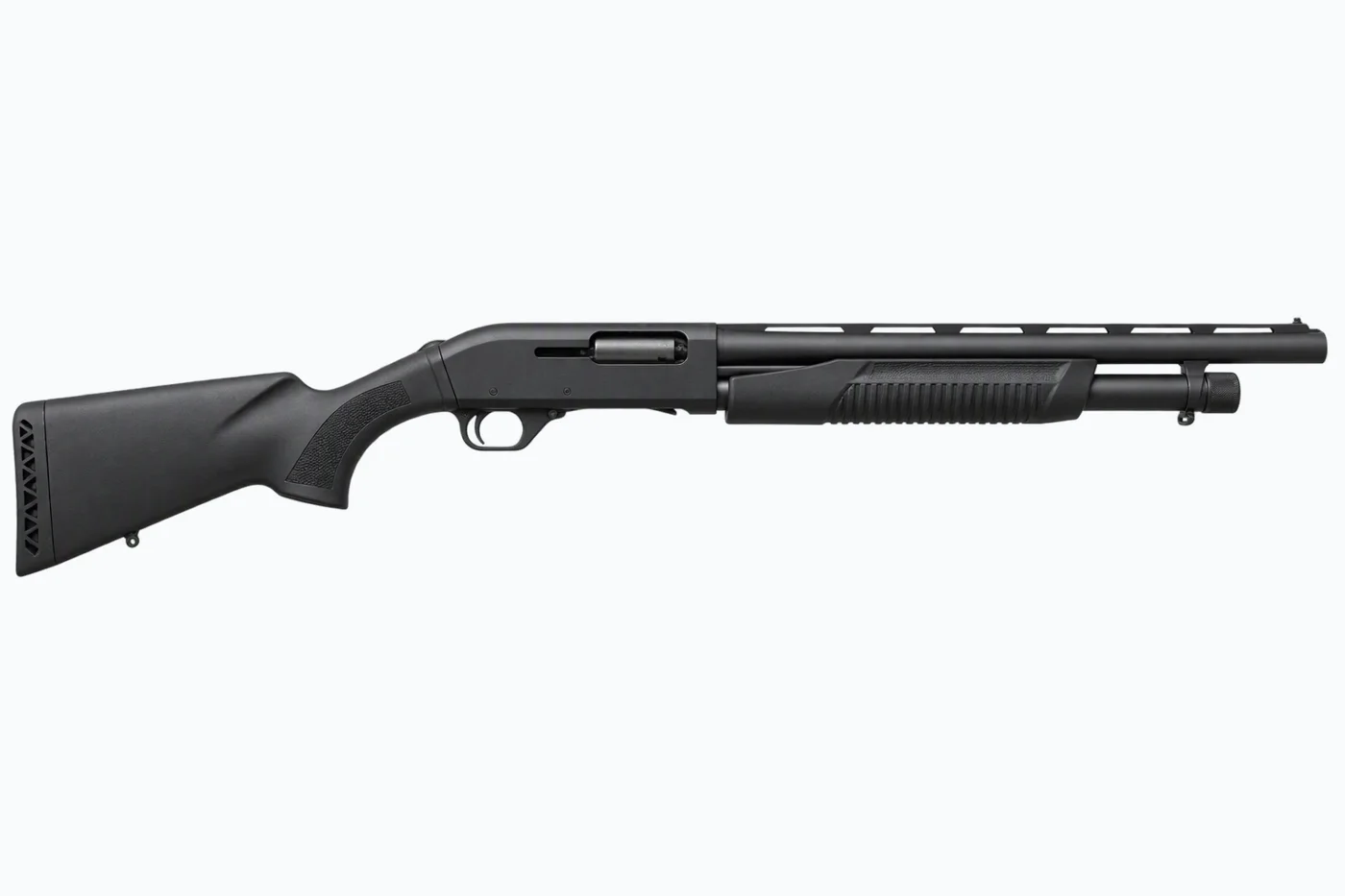
Akkar Churchill 612
Pump action · 12 Gauge
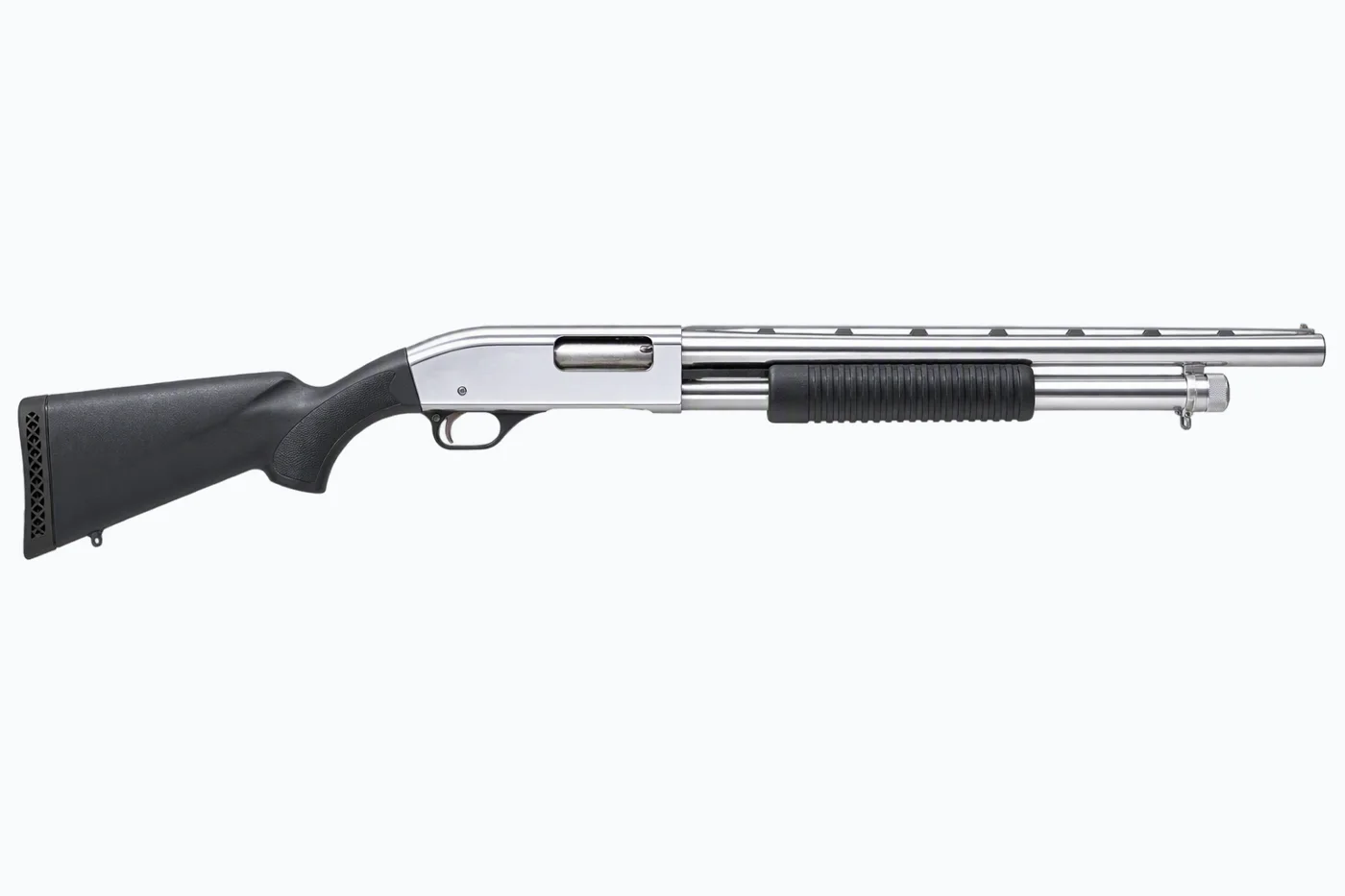
Armscor Meriva 3-in-1
Pump action · 12 Gauge
Baikal IZH-81
Pump action · 12 Gauge
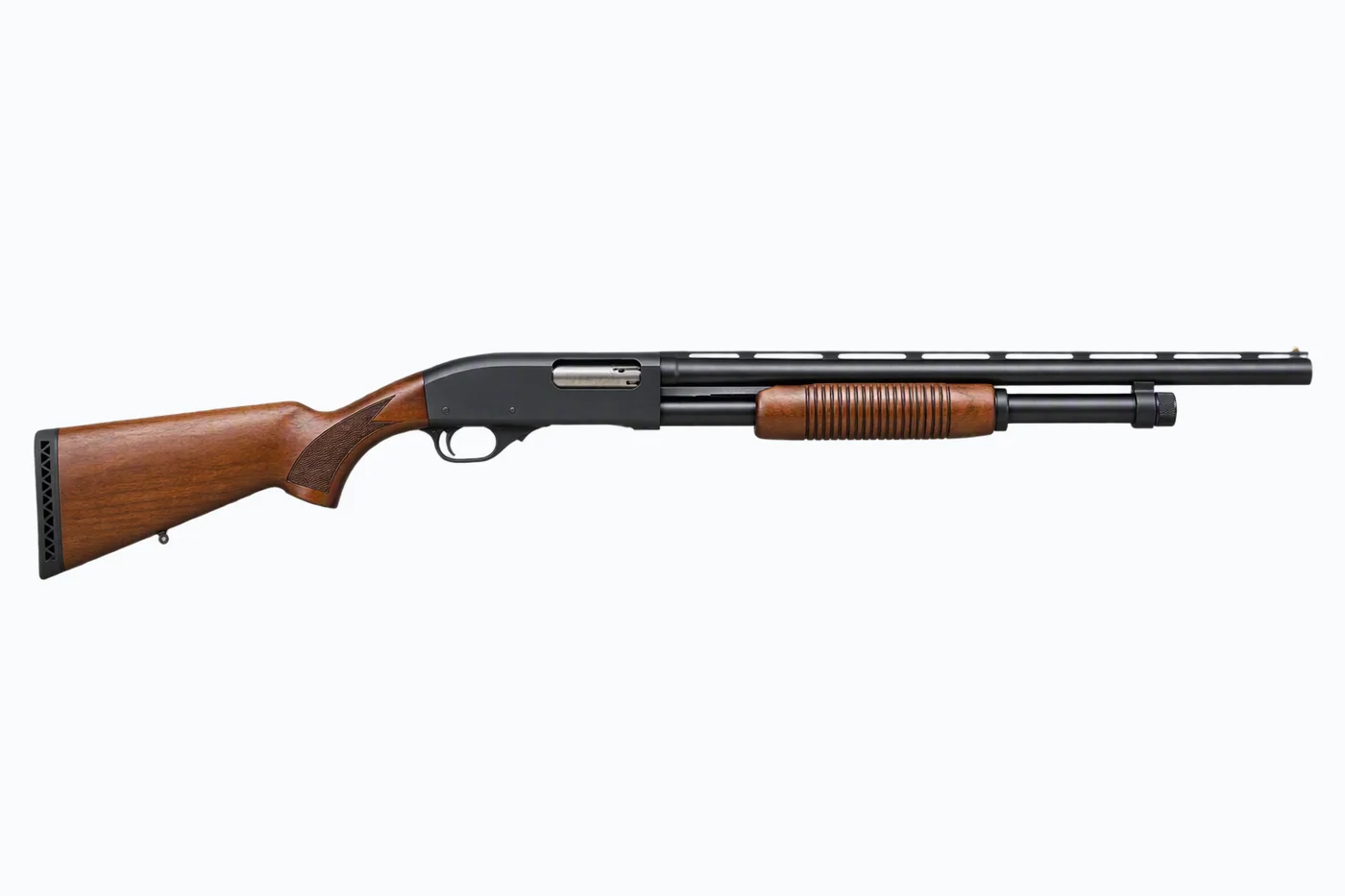
Baikal MP-133
Pump action · 12 Gauge
Baikal MP-135
Pump action · 12 Gauge
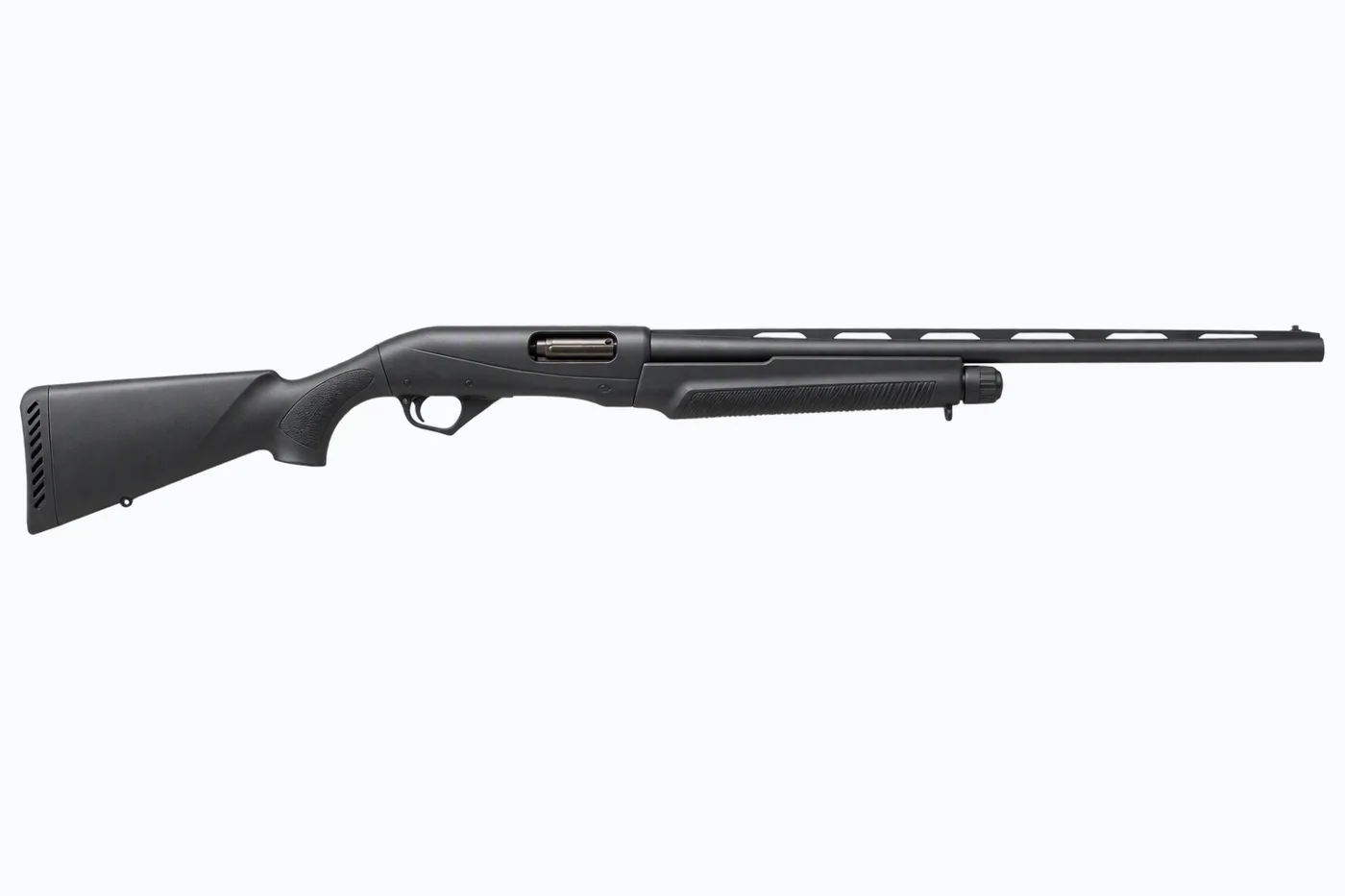
Benelli Nova
Pump action · 12 Gauge
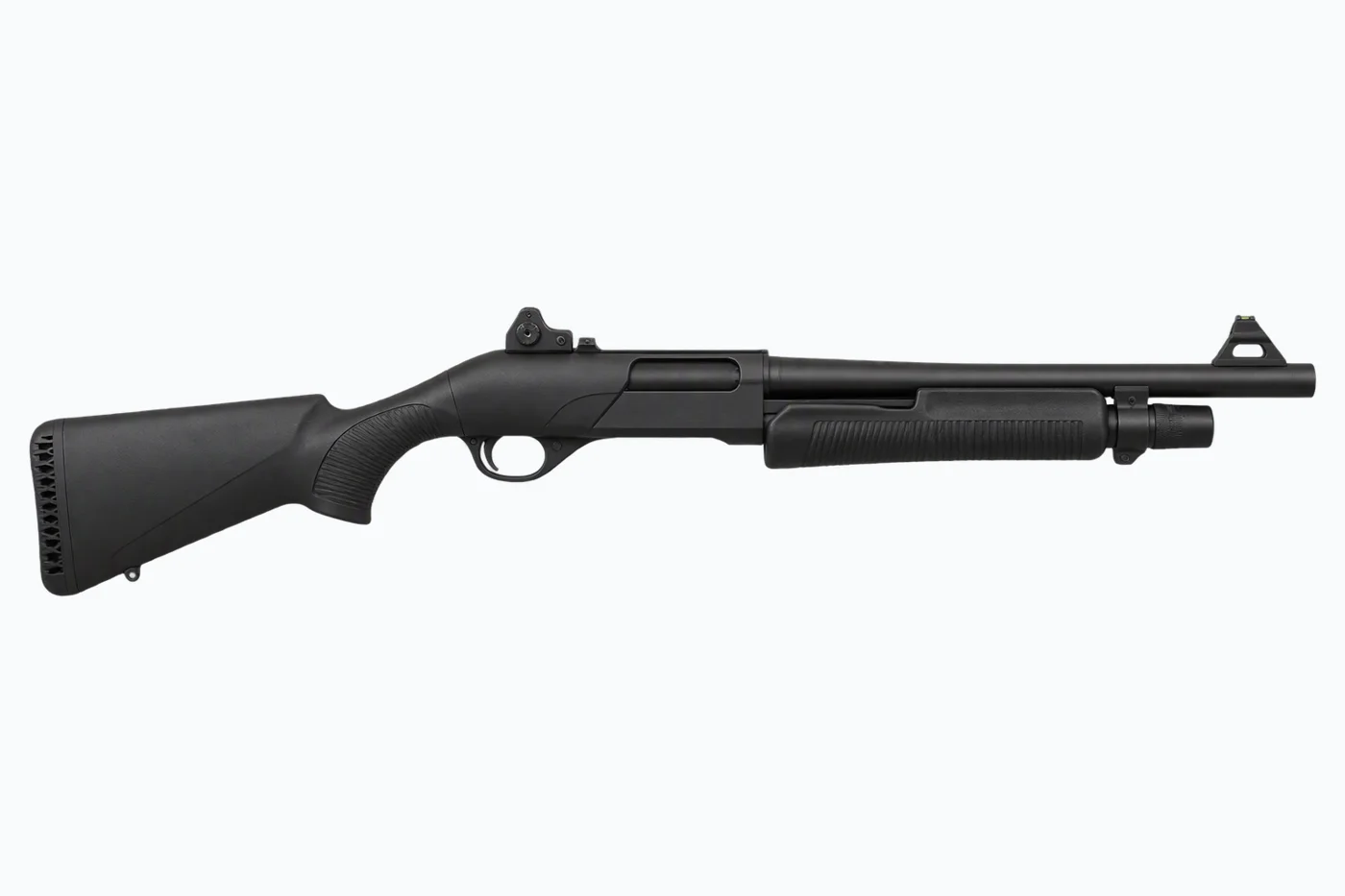
Benelli Nova Tactical
Pump action · 12 Gauge
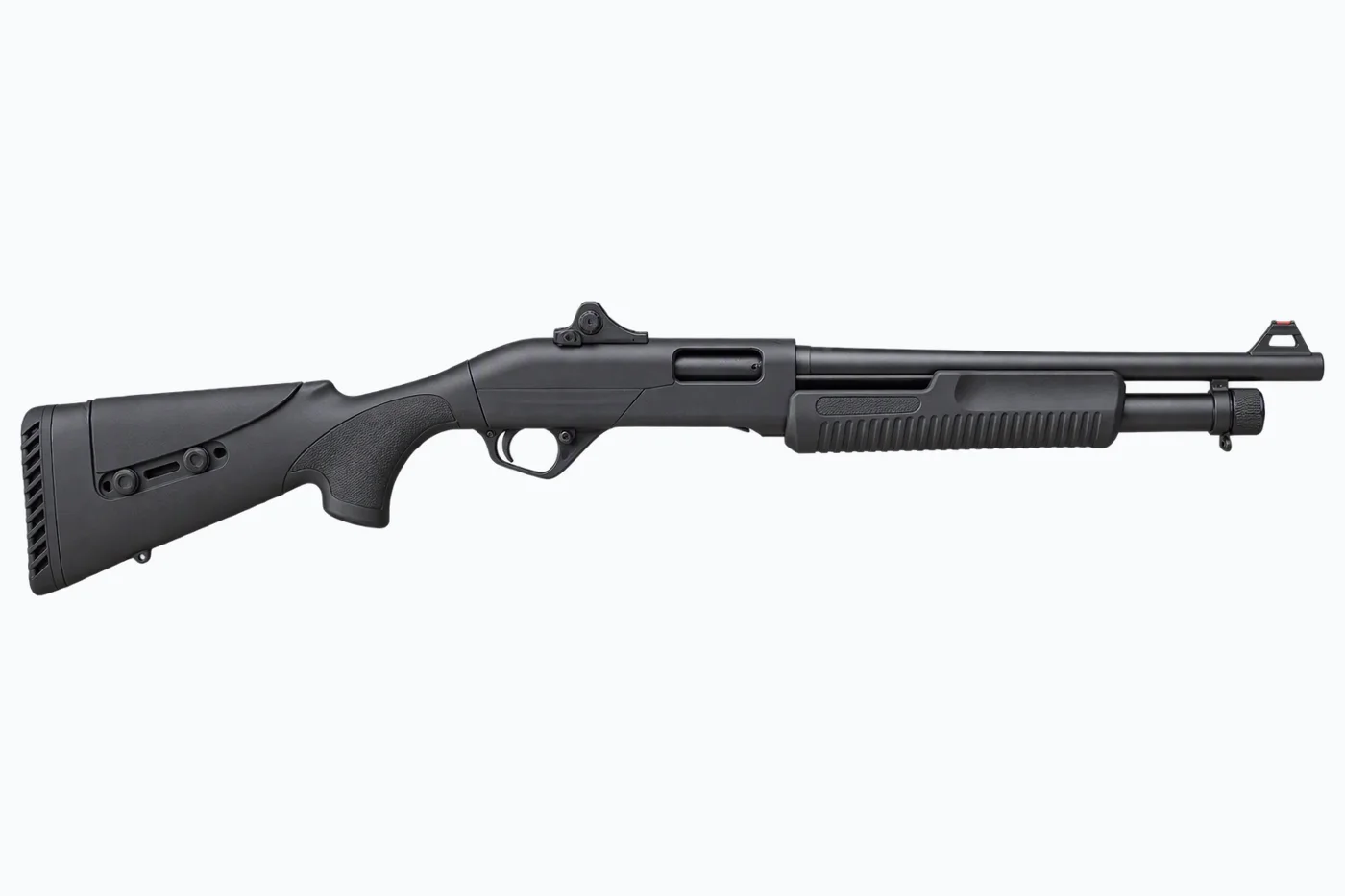
Benelli SuperNova Tactical
Pump action · 12 Gauge