
Browning · Shotgun
Browning Superposed
Break action · 12 Gauge · introduced 1931
Also known as Superposed, B25, Superposed Lightning
About the Browning Superposed
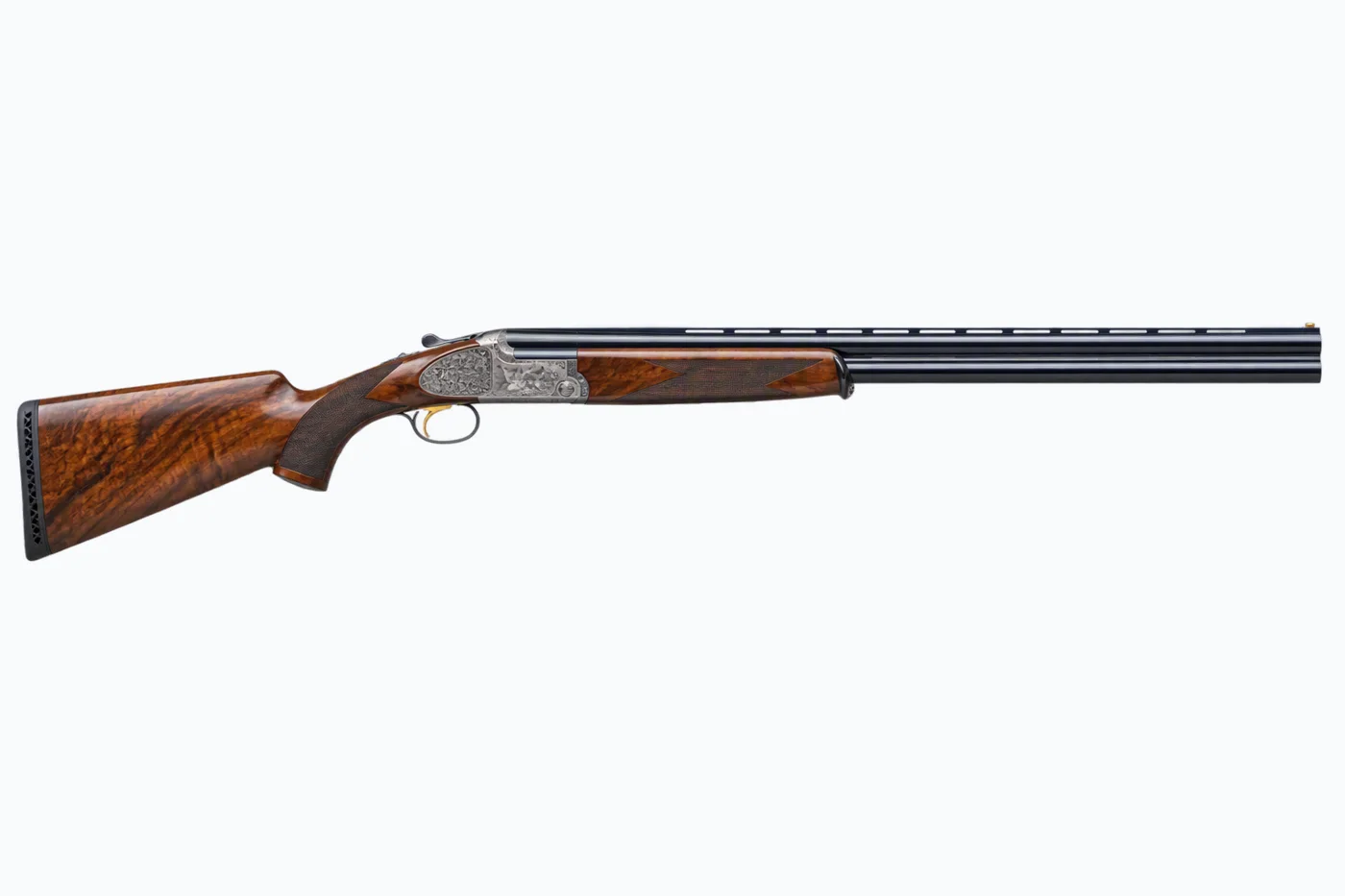
The Browning Superposed is an over-and-under boxlock break-action shotgun first produced by Fabrique Nationale in Liege, Belgium in 1931. It holds a unique place in firearms history as the last design of John Moses Browning, who completed the patent in 1923 and was still working on the prototype in his FN office when he died of a heart attack on November 26, 1926. His son Val A. Browning finished the development work and shepherded the gun into production in 1931, by which time the over/under configuration was considered radical: most quality double-barrel shotguns of the era were side-by-side. The Superposed introduced several mechanically important innovations to the over/under category, including a single selective trigger that lets the shooter pick which barrel fires first, a robust reinforced hinge that addressed the durability concerns of earlier over/unders, and a streamlined boxlock action shallow enough to provide a low sighting plane. Original production grades were Grade I (Lightning/Standard), Pigeon, Diana and Midas, with progressively finer engraving and walnut figure. From 1931 to 1948 the Superposed was offered only in 12 gauge; the 20 gauge arrived in 1949 and the 28 gauge and .410 bore in 1959. Production continued at FN through the 1980s, when standard production gave way to limited Custom Shop manufacture in Belgium. The Citori, introduced in 1973 by Browning and Miroku, was developed as a more affordable working evolution of the Superposed concept.
John Moses Browning died at his desk inside the FN factory in Liege, Belgium on November 26, 1926, while working on the Superposed prototype. The patent had already been filed in 1923, but it was Browning's son Val who finished the development and saw it into production in 1931, making the Superposed the last firearm Browning ever designed and the only one his son finished for him. It became the over/under shotgun that defined the category for the next half-century.
Browning Superposed specifications
General
- Type
- Shotgun
- Action
- Break action
- Firing mechanism
- Hammer-fired
- Trigger
- Single stage
- Calibres
- 12 Gauge, .410 Bore, 20 Gauge, 28 Gauge
- Magazine capacity
- 2 rounds
- Magazine
- Internal
Dimensions
- Barrel length
- 711 mm (28.0 in)
- Overall length
- 1149 mm (45.2 in)
- Weight (empty)
- 3.40 kg (7.50 lb)
Barrel
- Rifling
- None
Materials
- Barrel
- Steel
- Receiver / frame
- Steel
- Stock
- Walnut
- Finish
- polished_blued_engraved
Performance
- Muzzle velocity (typical)
- 396 m/s (1299 fps)
- Muzzle energy (typical)
- 2510 J (1851 ft·lb)
- Effective range
- 50 m
History
- Introduced
- 1931
- Production status
- Limited production
- Country of origin
- BE
- Designer
- John Moses Browning
Available calibres
Features
- Over under barrels
- Boxlock action
- Single selective trigger
- Automatic ejectors
- Reinforced hinge pin
- Vented top rib
- Hand engraved receiver
- Select grade walnut stock
- Attached forend
- Fitted choke barrels
Safety
- Tang safety
- Barrel selector
- Automatic safety
Original mass production at FN ran from 1931-1940 (interrupted by World War II) and 1948-circa 1985, after which the gun continued in limited Browning Custom Shop production in Belgium. Initial 1931 retail price was approximately $107.50 USD. The 20 gauge debuted in 1949; the 28 gauge and .410 bore in 1959. Twin-Single trigger systems and double triggers were also offered on early production. The Citori, introduced in 1973 and built by Miroku in Japan, was conceived to bring the Superposed concept to a working price point.
Similar models
Baikal MP-18M
Break action · 12 Gauge
Browning A5
Recoil operated · 12 Gauge
Browning A5 Sweet Sixteen
Short recoil (semi-automatic) · 16 Gauge
Browning Auto-5
Long recoil · 12 Gauge
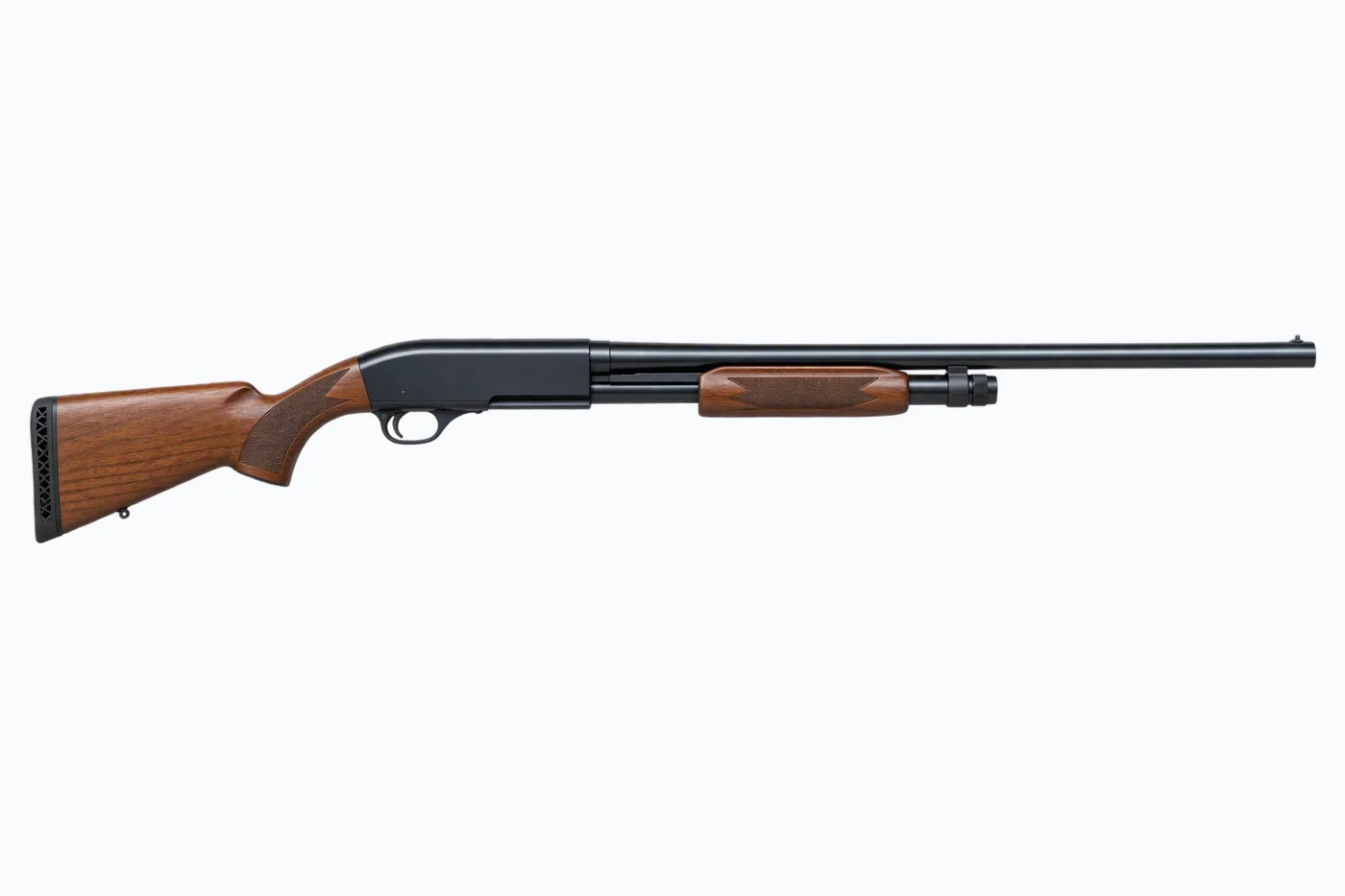
Browning BPS
Pump action · 12 Gauge
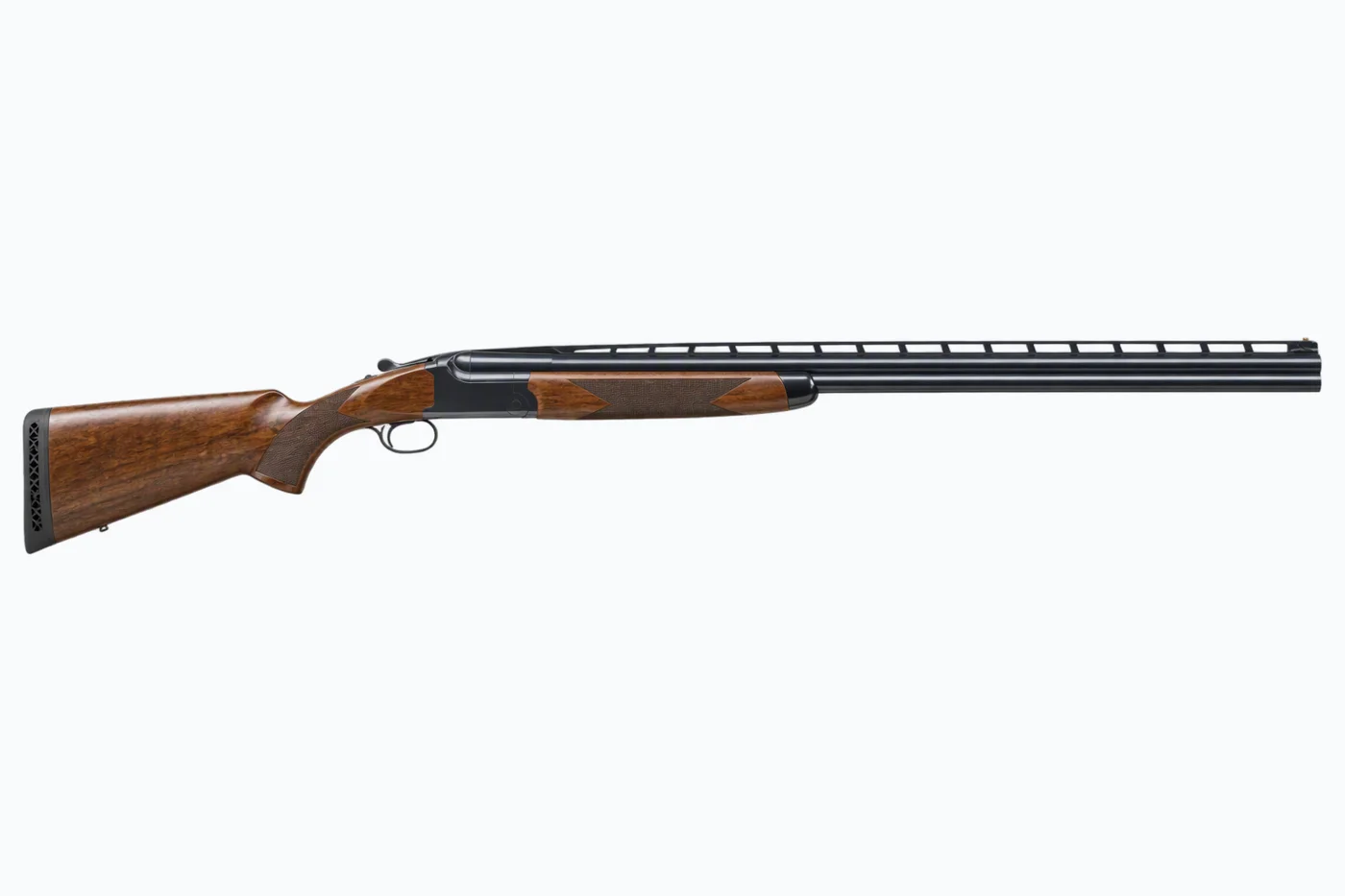
Browning BT-99
Break action · 12 Gauge
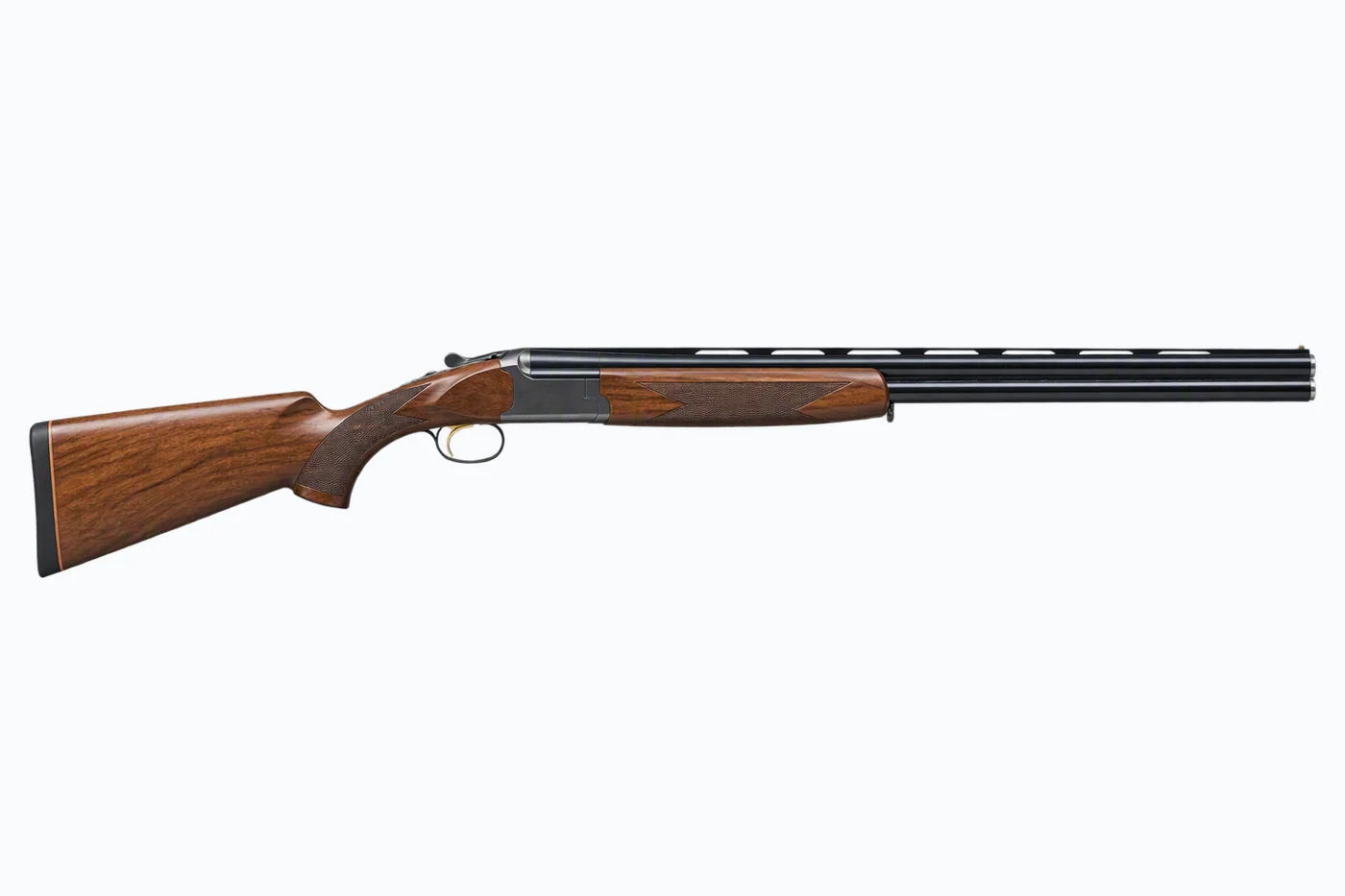
Browning Citori
Break action · 12 Gauge
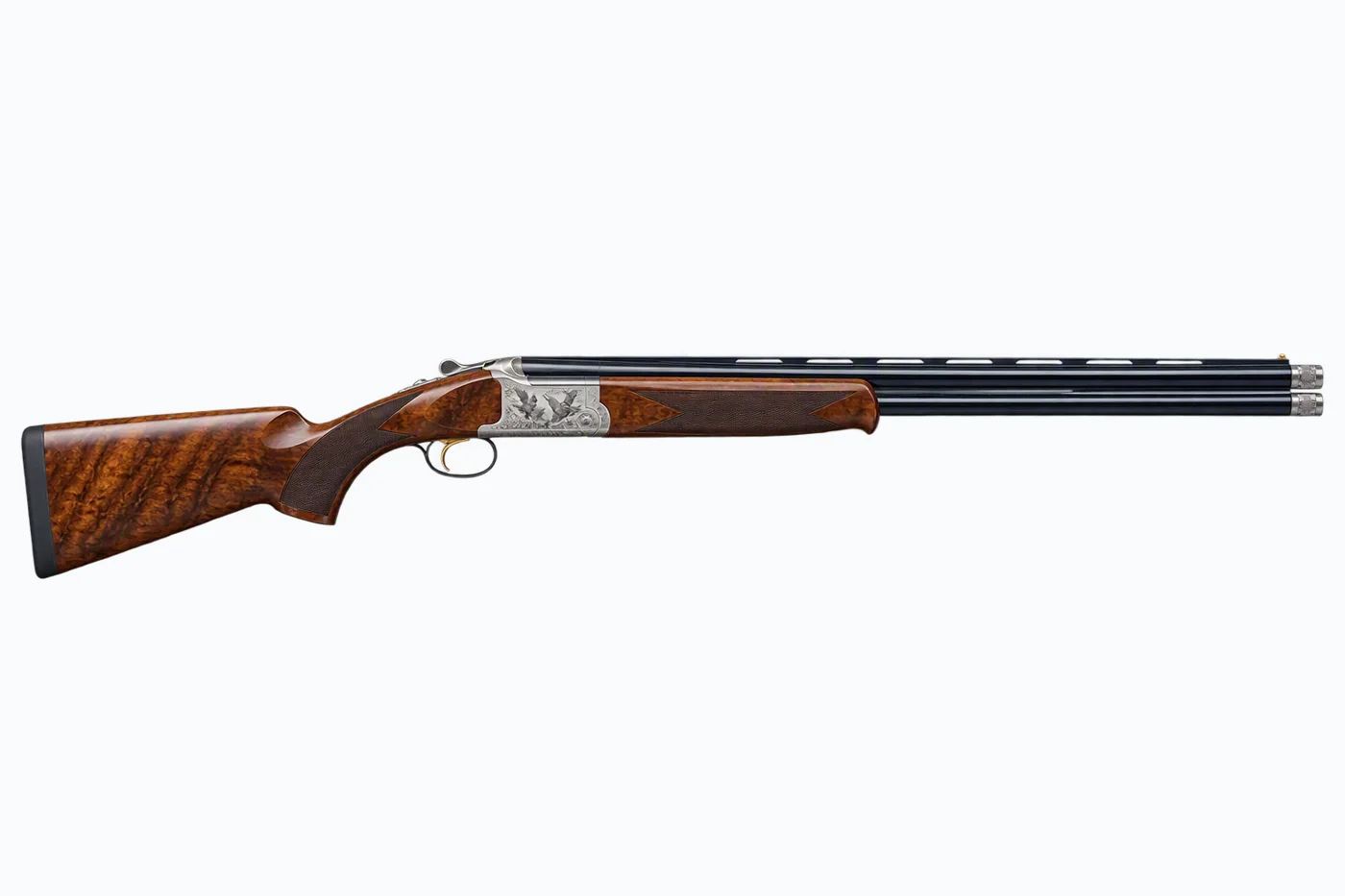
Browning Citori 825 Gran Field
Break action · 12 Gauge