
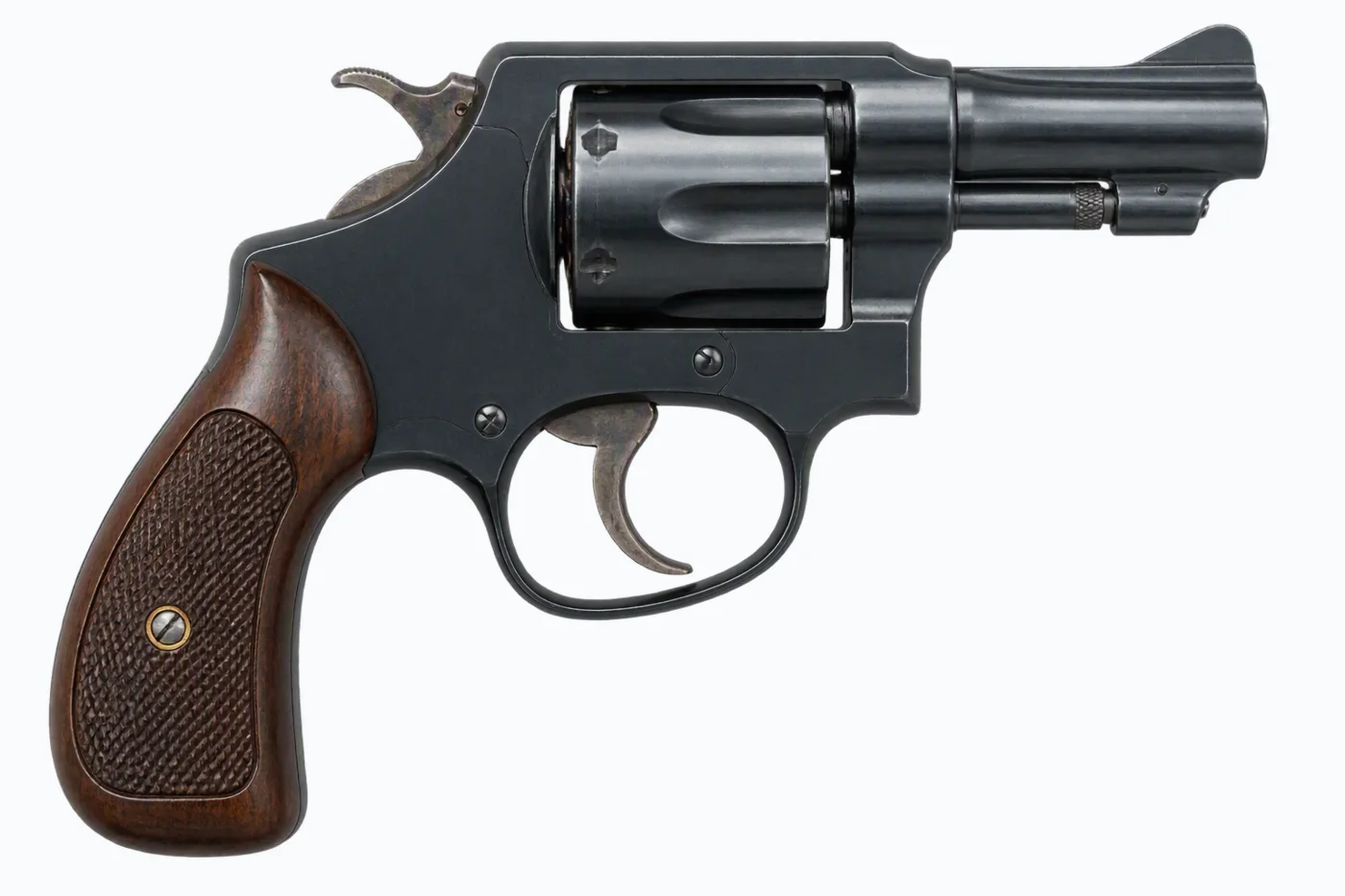
Smith & Wesson · Pistol
Smith & Wesson Model 30-1
.32 S&W Long · introduced 1960
Also known as Model .32 Hand Ejector, .32 Regulation Police
About the Smith & Wesson Model 30-1
The Smith & Wesson Model 30-1 is a small-frame, 5-shot, double-action revolver chambered in .32 S&W Long, manufactured from 1960 to 1976 as part of Smith & Wesson's compact J-frame lineup. Originally introduced in 1903 as the Hand Ejector Model and later known as the Model .32 Hand Ejector from 1948 to 1957, the revolver was redesignated as the Model 30 under Smith & Wesson's numbered model system in 1957. The Model 30-1 variant specifically indicates production on the J-frame platform, which replaced the earlier I-frame in 1961. Built with a 2-inch barrel (though longer barrels were available in earlier I-frame versions), round-butt grip frame, and fixed sights, the Model 30-1 weighs just 18 ounces empty, making it one of the lightest and most concealable revolvers in Smith & Wesson's catalog during its production run. The .32 S&W Long cartridge, introduced by Smith & Wesson in 1896, generates modest power with 98-grain wadcutter bullets at approximately 730 fps from the 2-inch barrel, producing minimal recoil and muzzle blast while offering acceptable accuracy for close-range defensive use. The revolver was designed primarily for concealed carry, backup duty for law enforcement officers, and civilian personal protection where deep concealment was prioritized over stopping power. The compact J-frame platform featured Smith & Wesson's swing-out cylinder design, allowing for quick reloading compared to top-break or gate-loading revolvers, though the 5-round capacity was a limitation compared to larger-frame Smith & Wesson revolvers.
The .32 S&W Long cartridge was once immensely popular for police service revolvers and competitive target shooting, earning gold medals in Olympic pistol competitions. The Model 30's lineage dates back to 1903, making it one of Smith & Wesson's longest-produced designs. Despite being discontinued in 1976, the Model 30-1 remains sought after by collectors of classic Smith & Wesson J-frames and shooters who appreciate its extremely mild recoil and compact size for deep concealment.
Smith & Wesson Model 30-1 specifications
General
- Type
- Pistol
- Firing mechanism
- Double action single action
- Trigger
- Double action single action
- Trigger pull
- 4.5 kg (9.9 lb)
- Calibres
- .32 S&W Long
- Magazine capacity
- 5 rounds
- Magazine
- Rotary magazine
Dimensions
- Barrel length
- 51 mm (2.0 in)
- Overall length
- 165 mm (6.5 in)
- Height
- 117 mm (4.6 in)
- Width
- 33 mm (1.3 in)
- Weight (empty)
- 0.51 kg (1.12 lb)
- Sight radius
- 85 mm (3.3 in)
Barrel
- Rifling twist
- 1:16 in (406 mm)
- Rifling
- Right hand
- Grooves
- 5
Materials
- Barrel
- Carbon steel
- Receiver / frame
- Carbon steel
- Finish
- blue
Performance
- Muzzle velocity (typical)
- 223 m/s (732 fps)
- Muzzle energy (typical)
- 158 J (117 ft·lb)
- Effective range
- 15 m
History
- Introduced
- 1960
- Discontinued
- 1976
- Production status
- Discontinued
- Country of origin
- US
Features
- J frame
- Fixed sights
- Swing out cylinder
- Round butt grip
- Exposed hammer
- Compact design
Safety
- Hammer block
The Model 30's frame evolution reflects Smith & Wesson's refinement of small-frame revolvers: the original I-Frame used a 5-screw design with flat mainspring from 1948-1957, then transitioned to a 4-screw 'Improved I-Frame' with coil mainspring in 1958, before being replaced entirely by the slightly longer 3-screw J-Frame in 1961. Only revolvers built on the J-Frame are designated Model 30-1. The Model 31 is mechanically identical but features a square-butt grip frame instead of round-butt. Barrel lengths available during the I-frame era ranged from 1.25 inches to 6 inches, though the J-frame Model 30-1 was typically offered only with 2-inch or 3-inch barrels. The .32 S&W Long cartridge was popular for competitive target shooting in the early-to-mid 20th century and saw extensive use by French police forces, but declining popularity in the United States led to the Model 30-1's discontinuation in 1976. The small .32 caliber offered significantly less recoil than .38 Special, making it suitable for recoil-sensitive shooters, though its modest stopping power made it less desirable as law enforcement and civilian markets increasingly favored the more powerful .38 Special chambering in similar-sized revolvers like the Model 36 Chief's Special.
Similar models
Allen & Wheelock Providence Police Model Revolver
Single action revolver · .36 Caliber Percussion (Cap and Ball)
S&W Model 1
Single action · .22 Short
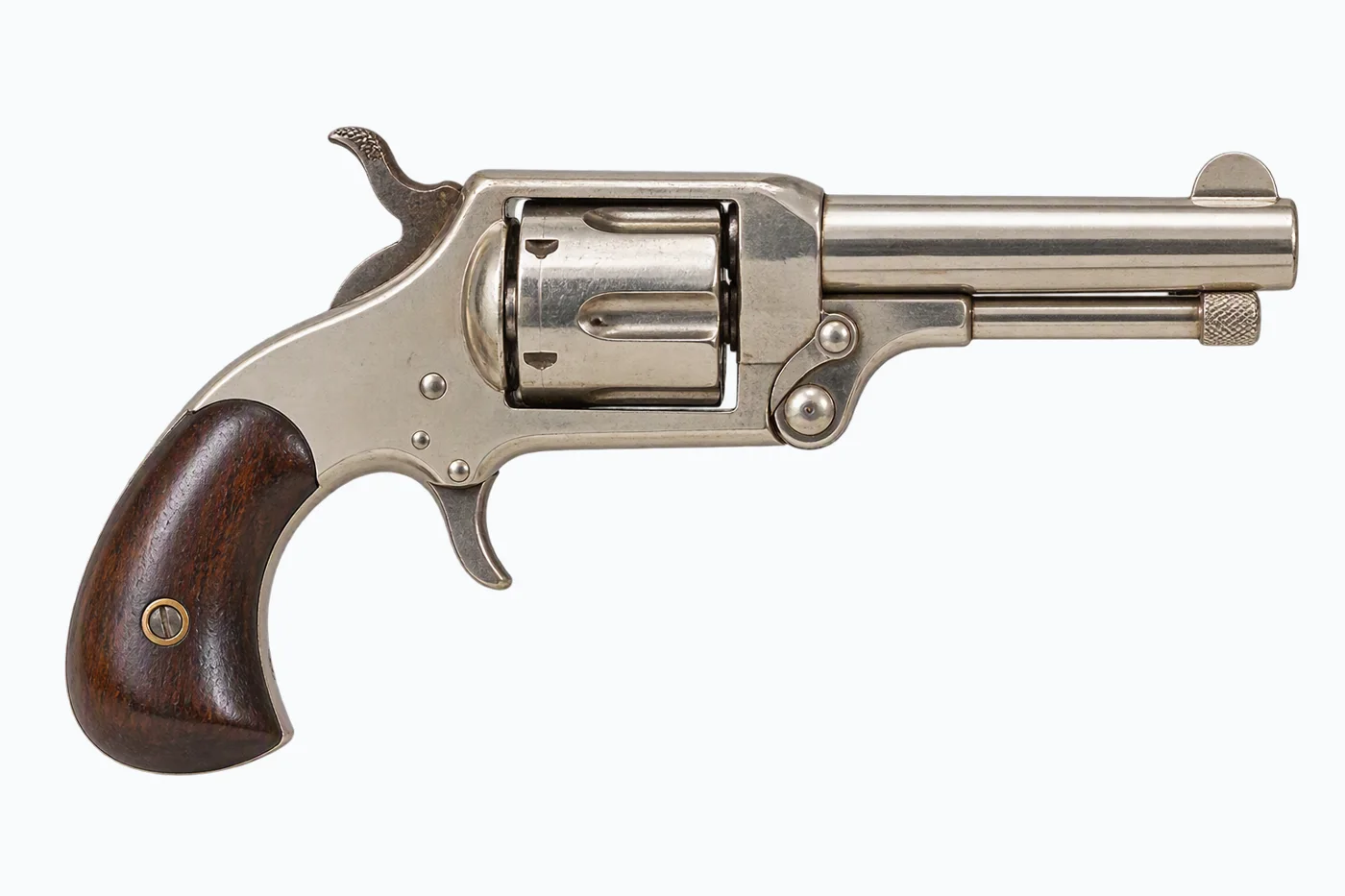
S&W Model 1 1/2
Single action · .32 Short Rimfire
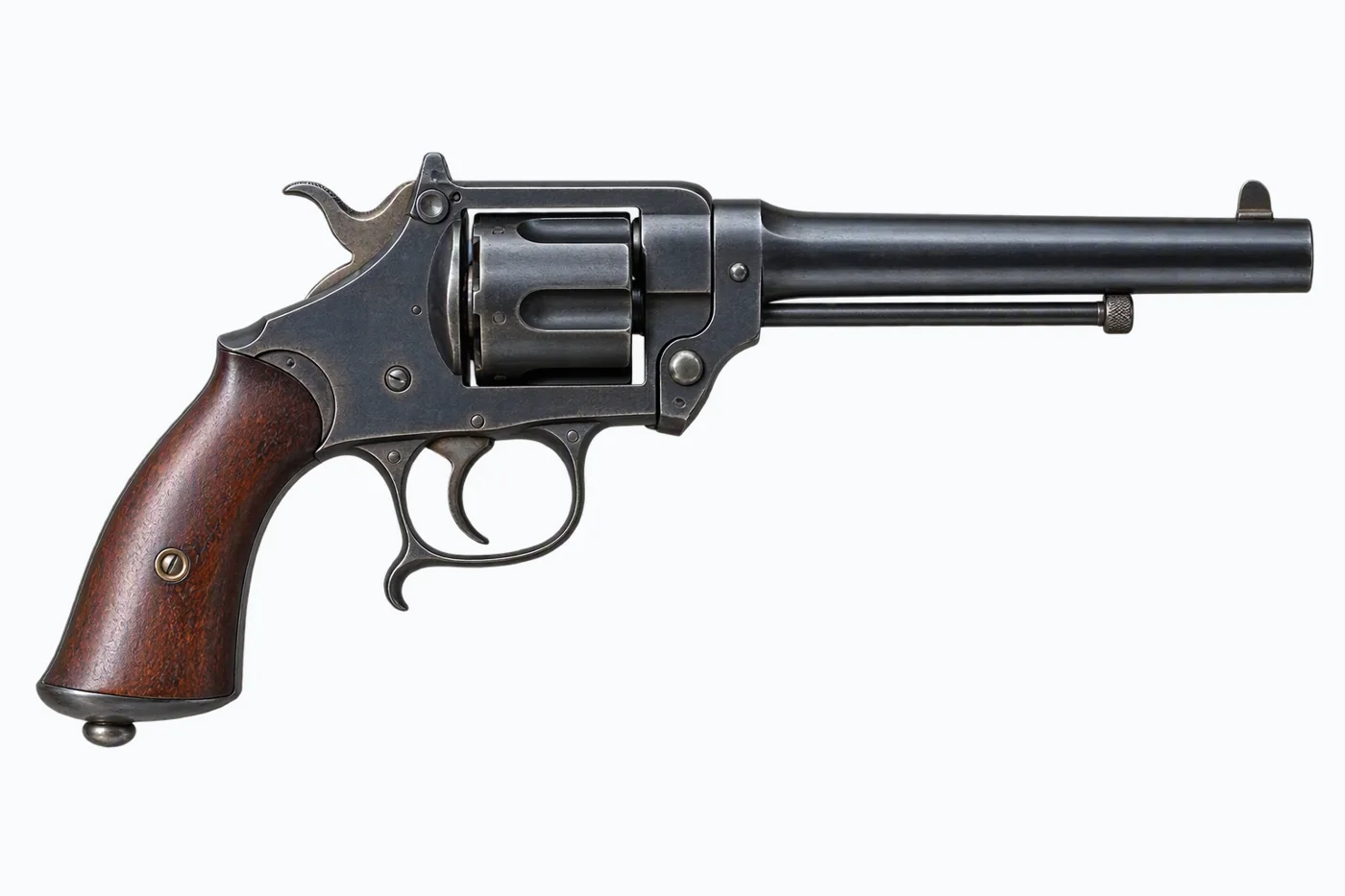
S&W Model 3 Russian
Single action · .44 Russian
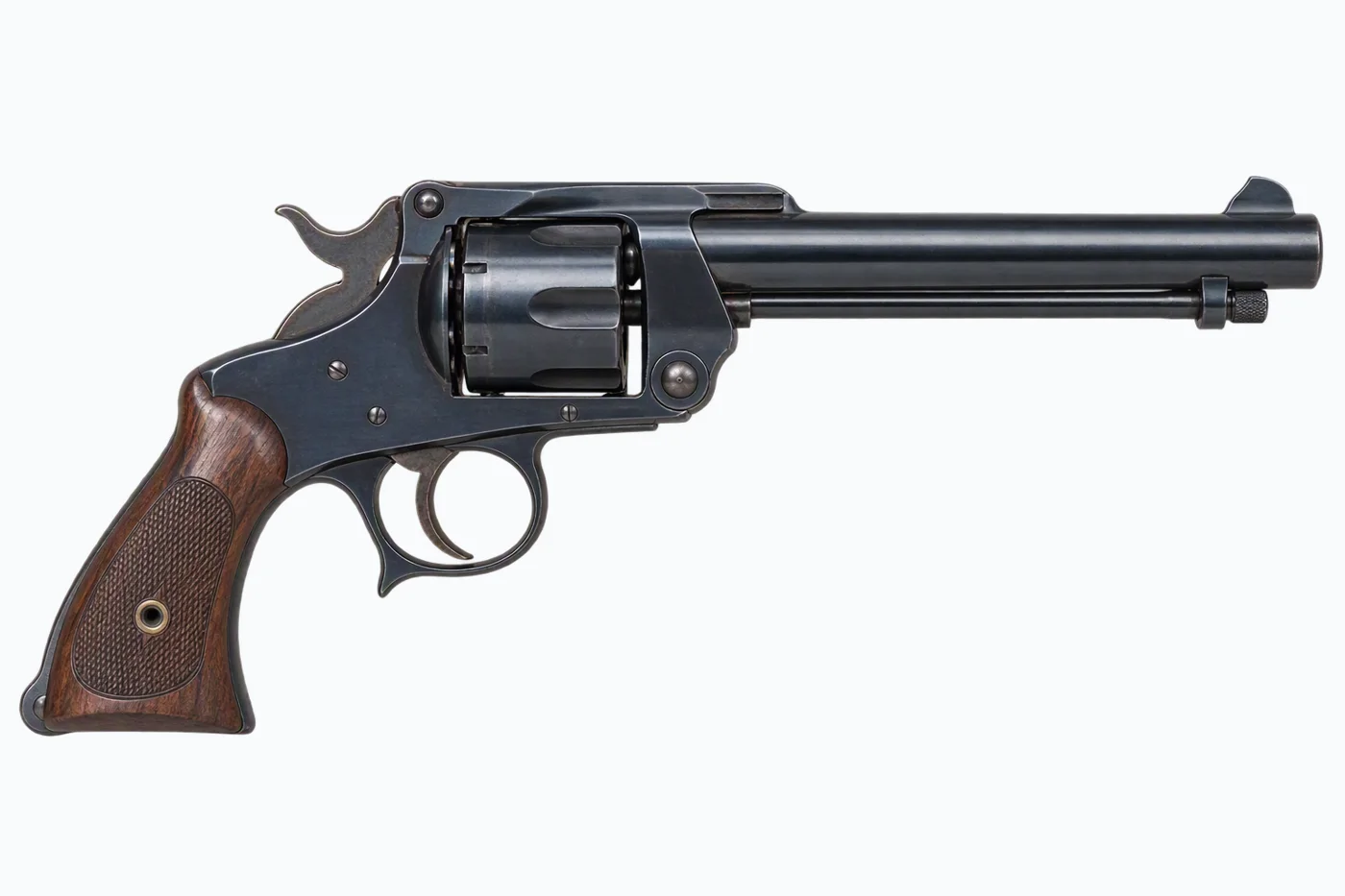
S&W No.3 Russian
Single action · .44 Russian
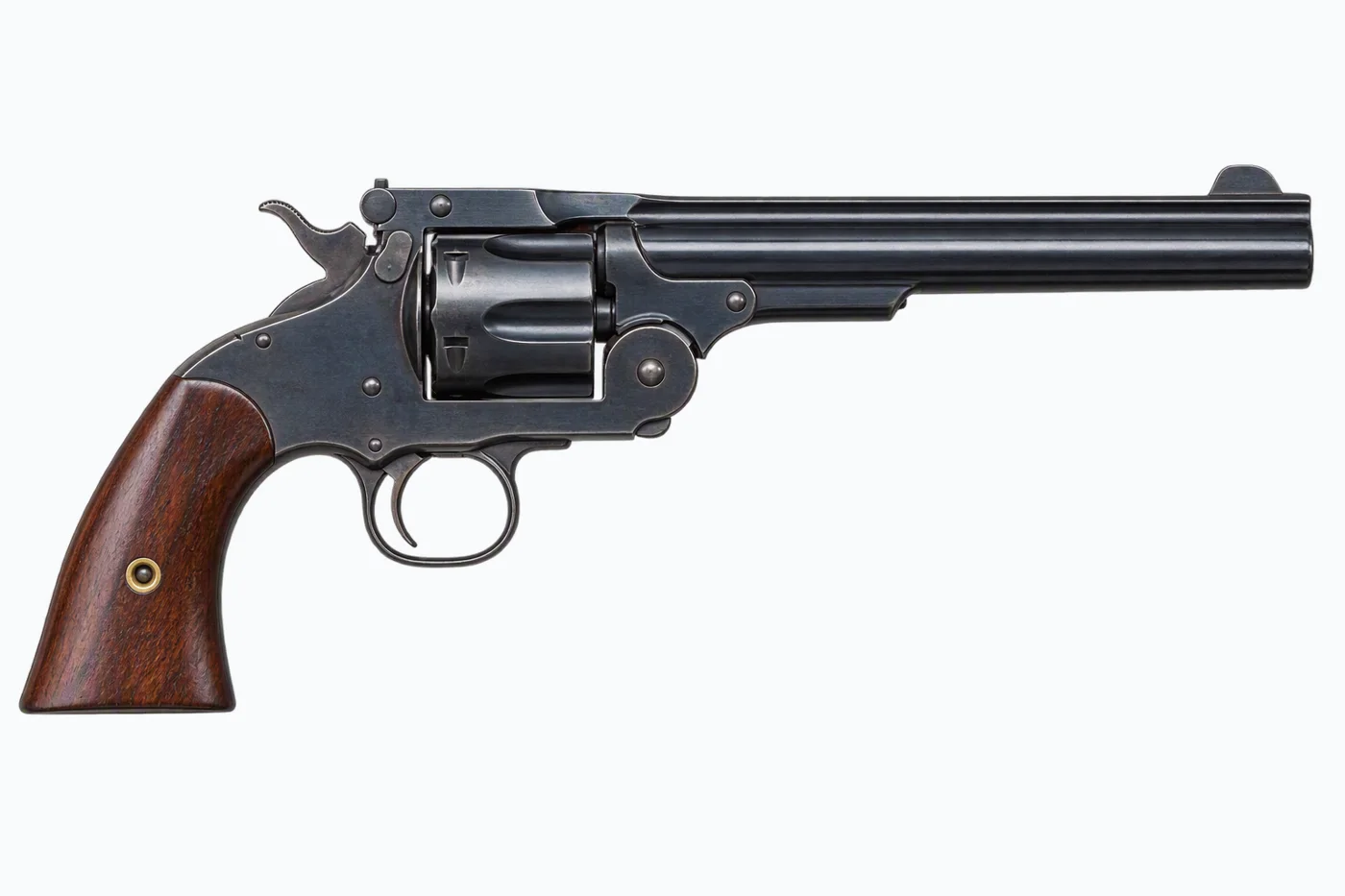
S&W Schofield
Single action revolver · .45 Schofield
Smith & Wesson 2213 Sportsman
Blowback (semi-automatic) · .22 Long Rifle
Smith & Wesson 2214 Sportsman
Blowback (semi-automatic) · .22 Long Rifle