
Winchester · Shotgun
Winchester Model 1897 Brush
Pump action · 16 Gauge · introduced 1897
Also known as Model 1897 Brush Gun, Model 97 Brush, 1897 Brush Takedown
About the Winchester Model 1897 Brush
The Winchester Model 1897 Brush, commonly called the Brush Gun, is a sporting variant of John Moses Browning's exposed-hammer, pump-action Model 1897 shotgun built for hunting game in dense brush and heavy cover. Offered in both 12-gauge and 16-gauge, the Brush Gun paired a short 26-inch cylinder-bore barrel with an abbreviated magazine tube, giving it a quicker-handling, more compact profile than the standard 28- and 30-inch field guns. It was catalogued in solid-frame and takedown configurations, the latter allowing the barrel to be separated from the receiver for transport. Like all Model 1897s, the Brush retained the exposed hammer, tubular magazine and the absence of a trigger disconnector that permits slam firing, in which the operator holds the trigger down and simply cycles the slide to discharge each shell as the action closes. Fitted with a plain walnut modified pistol-grip stock and grooved slide handle, the Brush Gun was a working man's field shotgun rather than a presentation piece. The 16-gauge, 26-inch-barrel version was a comparatively scarce catalog offering, produced during a window when fewer than 120,000 Model 1897s of all specifications were made, making surviving examples sought after by collectors today.
The Brush Gun name describes exactly what it was built for -- swinging on flushing birds and bounding game in thick cover where a long-barreled field gun was slow and unwieldy. By trimming the standard Model 1897 to a 26-inch cylinder-bore barrel and a shorter magazine tube, Winchester produced a lively, fast-pointing shotgun that hunters could carry all day through briar and timber. The open cylinder choke threw a wide, short-range pattern ideal for the quick, close shots typical of brush hunting. While its trench-gun sibling earned worldwide fame in the mud of the Western Front, the Brush Gun lived a quieter life in American fields and woodlots, and today the scarcer 16-gauge examples are prized by collectors of early Winchester repeaters.
Winchester Model 1897 Brush specifications
General
- Type
- Shotgun
- Action
- Pump action
- Firing mechanism
- Hammer-fired
- Trigger
- Single stage
- Calibres
- 16 Gauge, 12 Gauge
- Magazine capacity
- 4 rounds
- Magazine
- Tubular
Dimensions
- Barrel length
- 660 mm (26.0 in)
- Overall length
- 1150 mm (45.3 in)
- Weight (empty)
- 3.30 kg (7.28 lb)
Barrel
- Rifling
- Smoothbore
Materials
- Barrel
- Steel
- Receiver / frame
- Steel
- Slide
- Steel
- Stock
- Wood
- Finish
- blued
Performance
- Effective range
- 35 m
History
- Introduced
- 1897
- Discontinued
- 1931
- Production status
- Discontinued
- Country of origin
- US
- Designer
- John Moses Browning
Available calibres
Features
- Exposed hammer
- Slam fire capable
- No trigger disconnector
- Takedown construction
- Cylinder bore barrel
- Shortened magazine tube
- Grooved slide handle
- Modified pistol grip walnut stock
Safety
- Half cock hammer
The Brush and Brush Takedown models were offered with a 26-inch barrel and shortened magazine until approximately 1931. Early catalog Brush guns carried a 13 7/16-inch length of pull with 1 5/8-inch drop at comb and 2 5/16-inch drop at heel. The 16-gauge chambering was originally cut for 2 9/16-inch shells and standardized to 2 3/4-inch chambers in 1927. Because the base Model 1897 was produced in numerous barrel lengths, grades and gauges, exact Brush Gun specifications vary between catalog years; the figures here reflect the 16-gauge 26-inch takedown configuration.
This is a variant of the Winchester Model 1897.
Similar models
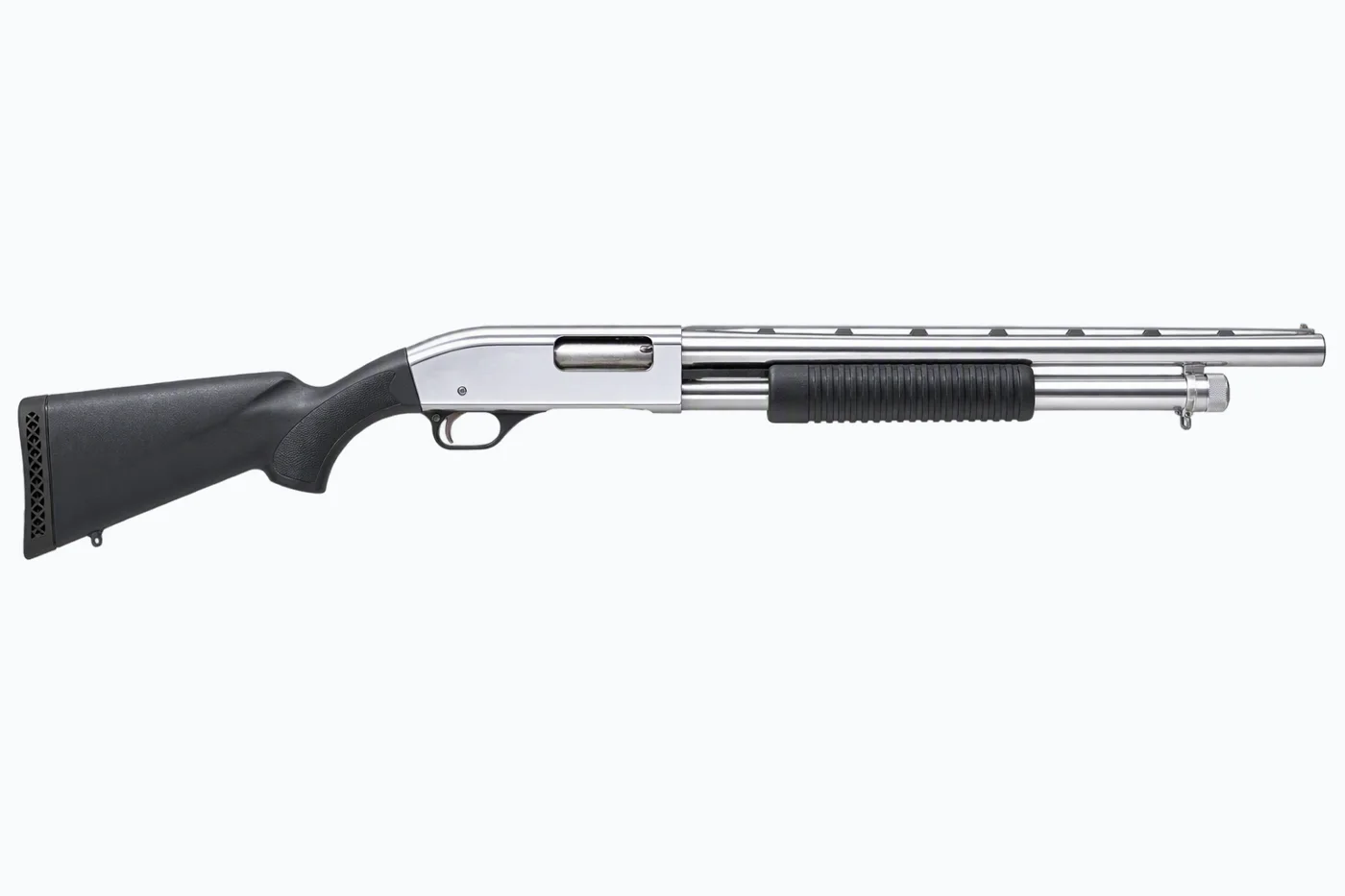
Armscor Meriva 3-in-1
Pump action · 12 Gauge
Baikal IZH-81
Pump action · 12 Gauge
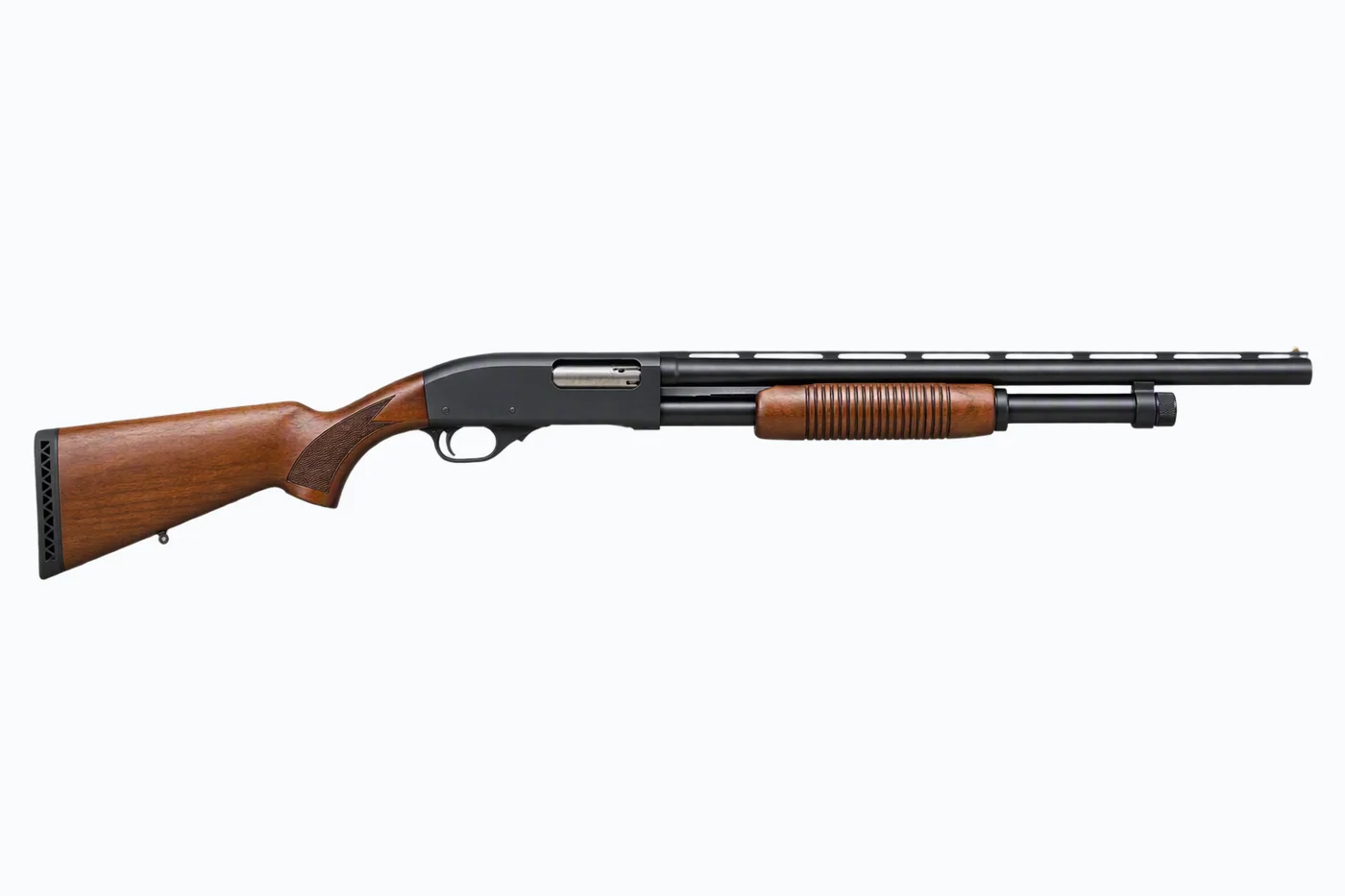
Baikal MP-133
Pump action · 12 Gauge
Baikal MP-135
Pump action · 12 Gauge
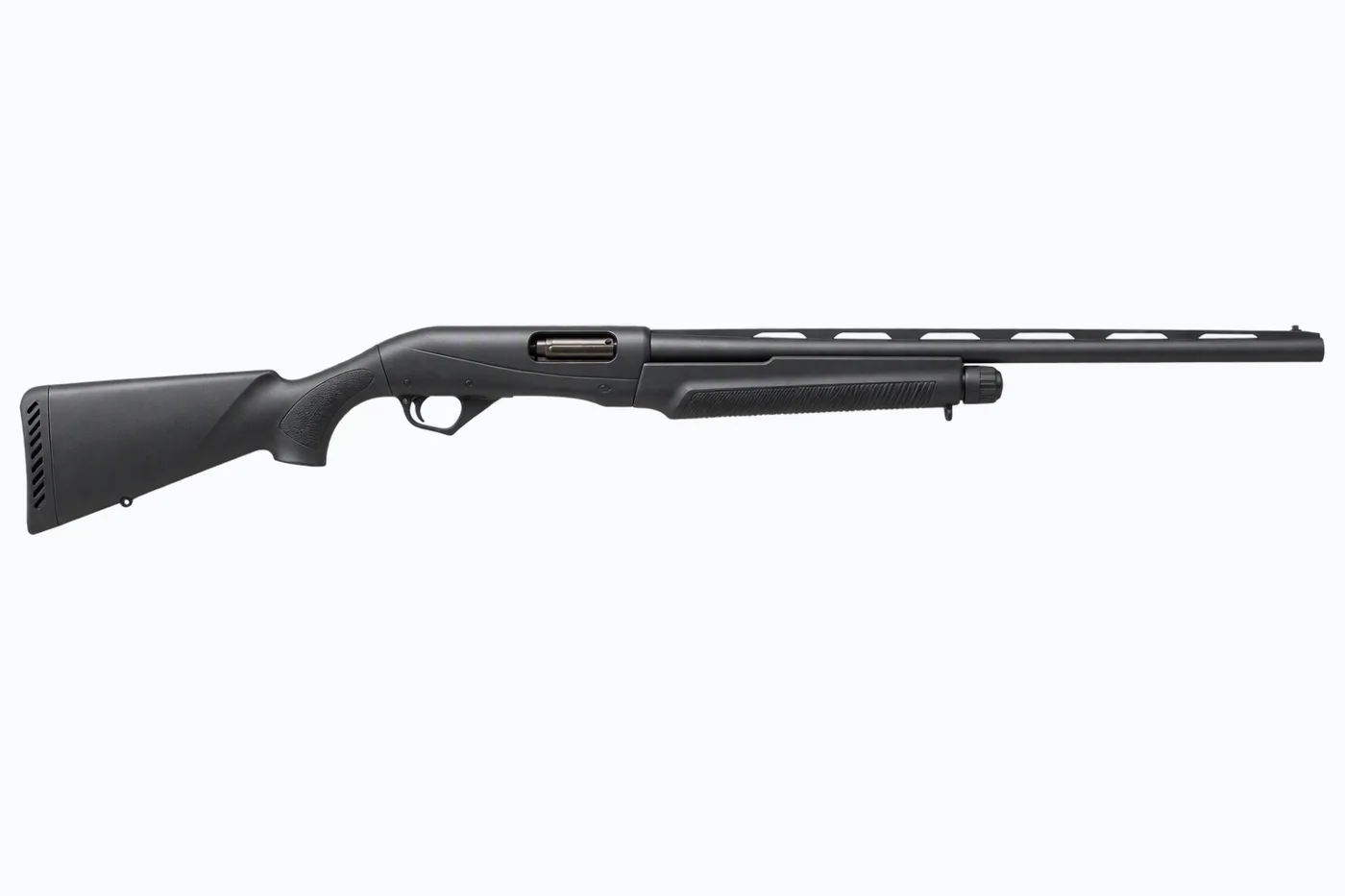
Benelli Nova
Pump action · 12 Gauge
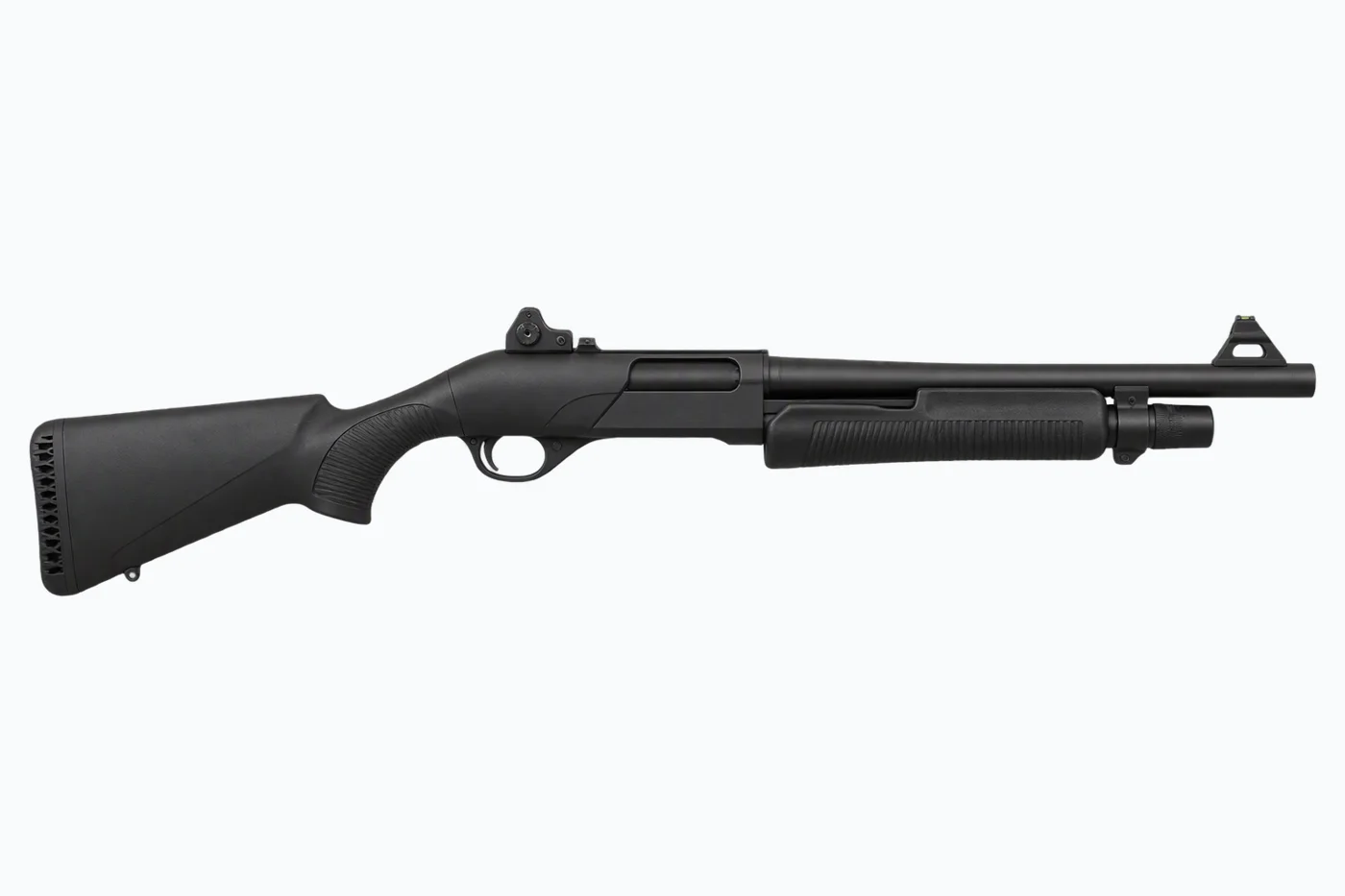
Benelli Nova Tactical
Pump action · 12 Gauge
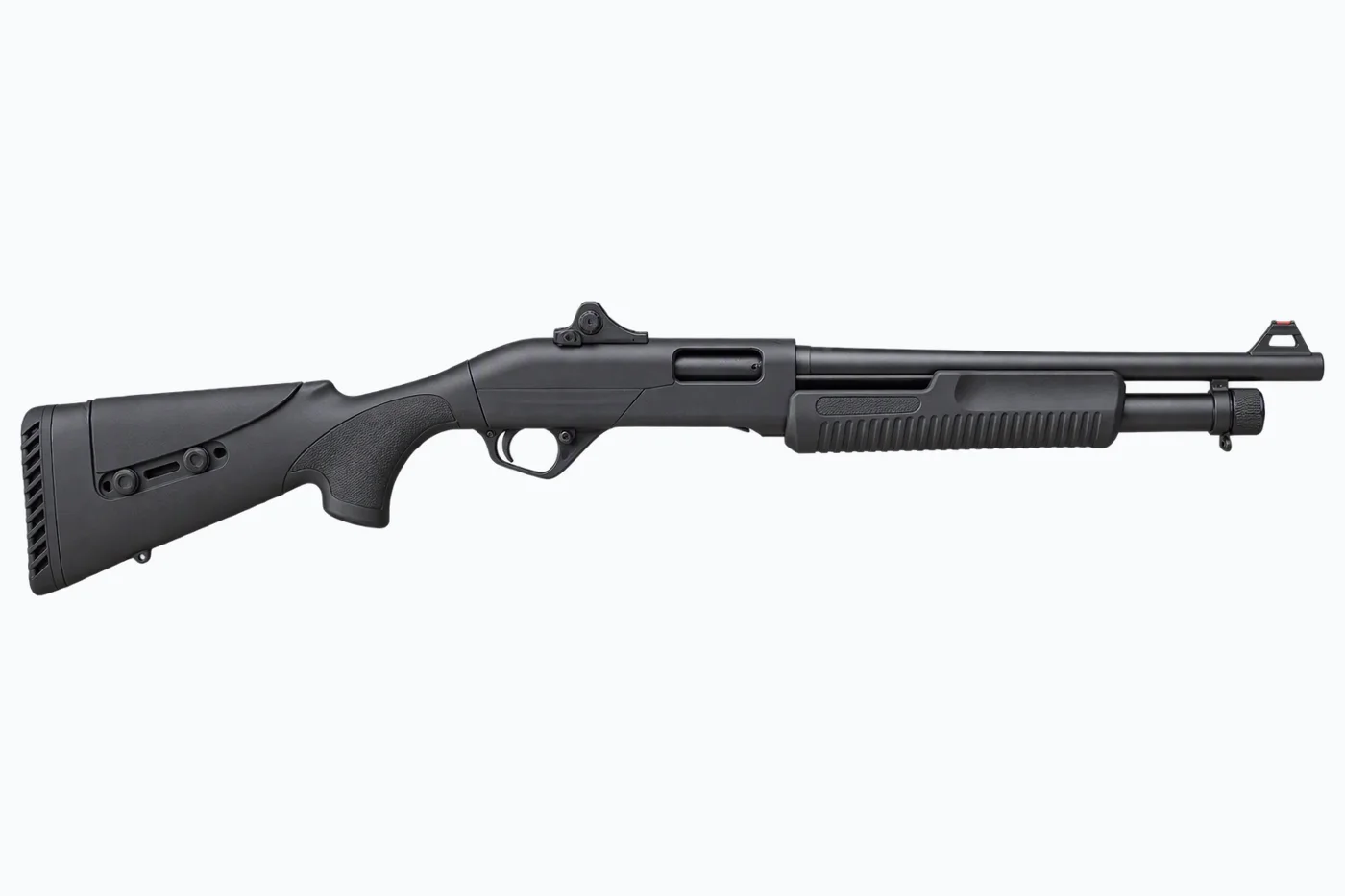
Benelli SuperNova Tactical
Pump action · 12 Gauge